

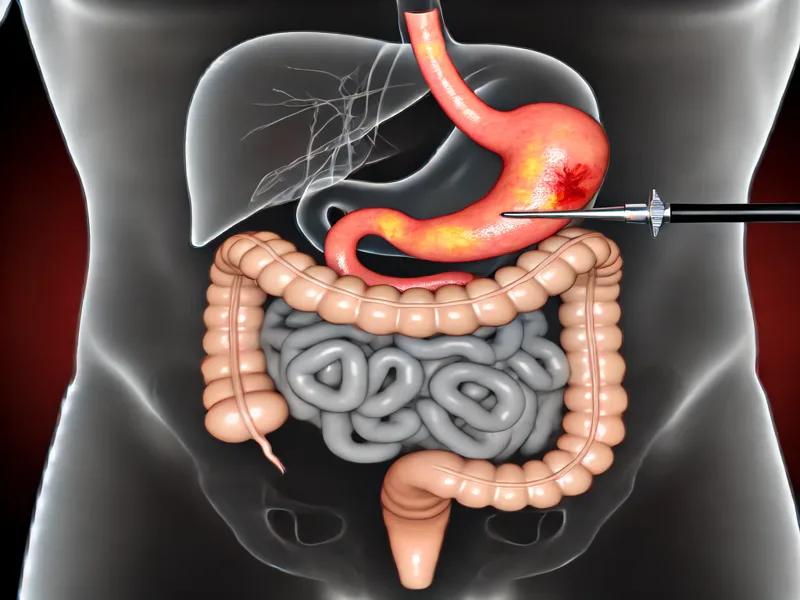
What Is Esophagogastroduodenoscopy (Endoscopy)? How Is It Performed and What Is It Used For?
Esophagogastroduodenoscopy, commonly known as endoscopy, is a medical procedure used to examine the digestive system. This allows for the examination of the inner lining of the esophagus, stomach, and duodenum. To answer the question of what endoscopy is, images are obtained through a thin tube during this procedure. How endoscopy is performed is also a frequently asked question; it is usually performed with the patient asleep or sedated. Preparation before the endoscopy is crucial; patients may need to fast for a certain period and abstain from certain medications. There are many hospitals and clinics in Ankara that offer endoscopy services. If you are experiencing problems with your digestive system, you may consider consulting a specialist for this procedure.
What is endoscopy, and when is it performed?
Endoscopy is a medical procedure used to examine the inner structure of the digestive system. This procedure, specifically known as esophagogastroduodenoscopy (EGD), allows for a detailed examination of the esophagus, stomach, and duodenum. This procedure, also called gastric endoscopy, is typically performed to diagnose and treat digestive disorders. For example, it is recommended for patients experiencing stomach pain, difficulty swallowing, heartburn, or digestive issues. It also plays an important role in the evaluation of conditions such as stomach ulcers, gastritis, or tumors. Regarding how endoscopy is performed, it is performed with the patient conscious, usually under sedation. During this procedure, the endoscope, a flexible tube, is swallowed through the mouth and reaches the stomach and duodenum. The endoscope is used for imaging and, if necessary, biopsy procedures. Preparation before the endoscopy is critical to the success of the procedure; patients are advised not to eat for at least 6-8 hours before the procedure. Endoscopy services in Ankara are performed at specialized centers, and patients should receive detailed information before and after the procedure.
Examination of the esophagus, stomach, and duodenum
During the procedure, patients are usually given a sedative while the endoscope is swallowed through the larynx. This ensures patient comfort, one of the most important aspects of endoscopy. Endoscopy allows for detailed images of the internal digestive system without affecting the patient's swallowing reflex. Furthermore, during the examination of the digestive system, necessary interventions can be performed to obtain biopsies or treat abnormal structures such as polyps, if necessary. The procedure typically lasts 15-30 minutes. After the endoscopy, patients undergo a brief observation period during which they are monitored for side effects. A mild sore throat or discomfort is normal after the procedure. Patients should refrain from eating and drinking for a certain period after the procedure. The results are usually evaluated by the doctor the day or a few days after the procedure.
Examination of the Esophagus, Stomach, and Duodenum
The question "What is endoscopy?" provides a basic understanding of esophagogastroduodenoscopy (endoscopy), which plays an important role in the diagnosis of digestive system diseases. This procedure allows direct examination of the esophagus, stomach, and duodenum. Esophagogastroduodenoscopy is usually performed through a tube that extends from the throat into the stomach. This tube is thin and flexible, so it's generally not uncomfortable for patients. During the procedure, doctors can observe abnormalities in the patient's digestive system, take biopsies, or administer certain treatments. This procedure, also known as gastric endoscopy, is usually performed to determine the causes of upper digestive system disorders. The answer to the question of how an endoscopy is performed can vary depending on the patient's general condition and the type of examination to be performed. Preparation before the procedure is also crucial. During the pre-endoscopy preparation phase, the patient may be required to fast for a certain period and abstain from certain medications. All of these processes are critical for a successful digestive system examination.
Advantages and Uses of Endoscopy
To better understand what endoscopy is, it's important to consider its advantages and uses. Esophagogastroduodenoscopy offers the opportunity to detect problems in the digestive system in the early stages. It plays a crucial role in diagnosing serious health problems such as stomach ulcers, reflux disease, bleeding, or tumors. This procedure, performed by specialist doctors at Ankara endoscopy centers, is used to thoroughly assess patients' health conditions. Patients are usually placed under local anesthesia during the procedure, which increases patient comfort. Furthermore, the images obtained during endoscopy help doctors make more accurate diagnoses. Ultimately, while the answer to the question of how endoscopy is performed varies depending on the patient's overall health, it is generally a safe and effective procedure. Considering all these features, endoscopy has become an indispensable tool in the diagnosis of digestive system diseases.
What Patients Need to Know Before and After Endoscopy
Before answering the question of what endoscopy is, there are some important points patients should know about the pre- and post-endoscopy process. Esophagogastroduodenoscopy, or gastric endoscopy, allows the doctor to directly view the lining of the stomach, esophagus, and duodenum during an examination of the digestive system. This procedure is often performed on patients experiencing symptoms such as nausea, difficulty swallowing, and abdominal pain. Before an endoscopy, patients may be required to fast, abstain from food, and avoid liquids for a certain period. Furthermore, informing the doctor about the patient's medical history is crucial to avoid any complications during the procedure. After the procedure, patients are monitored for several hours, and the anesthesia wears off. It is recommended that patients rest and avoid strenuous activity during this period. Some patients may experience mild discomfort after the endoscopy, but this is usually temporary.
Things to Consider During an Endoscopy Procedure
When answering the question of how an endoscopy is performed, the procedure itself and what patients should be aware of are important factors. Patients are usually sedated during the procedure, which helps them relax. Furthermore, the use of anesthesia increases patient comfort. During an endoscopy, a thin, flexible tube called an endoscope is passed through the mouth or nose and into the stomach. A camera at the end of this tube visualizes the internal structure of the digestive system, allowing the doctor to assess it. It is critical for patients to inform their doctor about their current medications and allergy history during the preparation phase before the endoscopy. It is important for patients to remain under observation after the procedure and follow the doctor's recommendations to minimize potential side effects. For patients undergoing endoscopy in Ankara, sharing all this information with the doctor beforehand is essential for a safe and successful procedure. Patients are generally expected to return to normal activities within a few hours after the procedure. However, in any unusual circumstances, it is always best to contact the doctor.
Anesthesia Use and Patient Comfort During Endoscopy
The question of what endoscopy is is a subject of uncertainty for many. Procedures such as esophagogastroduodenoscopy (EGD), in particular, can cause some anxiety for patients. Patient comfort during this procedure is extremely important. The question of how endoscopy is performed is often accompanied by questions about the use of anesthesia. Patients are advised to discuss this matter in detail with their doctor before the endoscopy. Anesthesia helps the patient undergo the procedure without discomfort. Types of anesthesia include local anesthesia and sedation. Local anesthesia is usually applied to the throat area, while sedation provides deeper relaxation. Patients under sedation may not remember the procedure, which increases patient comfort. After the procedure, patients are usually observed for several hours, waiting for the anesthesia to wear off. It is important to inform patients about their feelings during this period.
Patient Care After Endoscopy
For patients seeking answers to the question "What is endoscopy?" after an endoscopy, care is also crucial. Patients are advised to rest for several hours after the procedure, as they may be under the influence of anesthesia, so they should be careful. Especially in Ankara endoscopy centers, patients are informed about their post-procedural nutritional habits. It is recommended to begin with fluid intake within the first few hours. Furthermore, patients are encouraged to stay in regular contact with their doctor after the procedure and to seek immediate medical attention if any adverse events occur. Symptoms such as distress, pain, or bleeding may indicate an emergency and should be evaluated immediately. It is crucial for patients to carefully monitor their post-procedural symptoms and follow their doctor's recommendations. This minimizes the risk of complications and allows patients to return to their previous health more quickly.
What conditions can be detected during the procedure?
The question of what endoscopy is describes a procedure that plays a significant role in diagnosing digestive system diseases. Esophagogastroduodenoscopy (EGD) is a procedure that allows examination of the esophagus, stomach, and duodenum (the duodenum). This procedure is critical for detecting many diseases. It is particularly used in the early diagnosis of conditions such as stomach ulcers, reflux disease, gastritis, and tumors. Gastric endoscopy is performed through a thin tube that begins in the patient's throat and reaches the upper part of the digestive system. This tube contains a camera and light, allowing doctors to obtain detailed images of the digestive system. Furthermore, the digestive system examination also allows the collection of tissue samples, which is very useful in diagnosing serious diseases such as cancer. The answer to the question of how an endoscopy is performed begins with the patient's preparation before the procedure. Patients are generally required to fast for several hours before the procedure and are informed that they should not take certain medications. At Ankara endoscopy centers, this process is meticulously performed by specialist doctors. In conclusion, the answer to the question of what endoscopy is is not just an examination method but also a crucial step in maintaining health.
How are endoscopy results evaluated, and when are they available?
The results obtained after an endoscopy procedure are crucial for a patient's diagnosis. Along with the answer to the question of what endoscopy is, the process of interpreting these results is also a matter of interest. The images obtained during the procedure and any tissue samples taken are sent for pathological examination. This examination is usually completed within a few days. During the consultation with the patient, the doctor explains the endoscopy results in detail and recommends additional tests if necessary. The type of disease detected through esophagogastroduodenoscopy influences the determination of the treatment plan. For example, a suitable treatment plan is created for a patient diagnosed with an ulcer or gastritis. Furthermore, in some cases, treatment may be administered during the endoscopy procedure if deemed necessary. Patients may generally need to remain under observation for several hours after a gastric endoscopy. This period may vary depending on the patient's response to anesthesia. The evaluation of the results depends on the patient's general health and the severity of their symptoms. Thus, the data obtained from a digestive system examination plays a critical role in a patient's future health planning.
How are endoscopy results evaluated, and when are they available?
The answer to the question of what endoscopy is can be summarized as a medical procedure performed to examine the internal structure of the digestive system. The results are generally delivered to the patient within 1 to 2 days of the endoscopy. However, if samples requiring more detailed analysis are sent to the laboratory, the results may take a few more days. Especially in procedures such as esophagogastroduodenoscopy, doctors can provide immediate information based on the patient's condition and the findings observed during the examination. At this stage, it is important to evaluate the patient's symptoms, any abnormalities detected during the endoscopy, and the biopsy samples taken. Evaluating the results plays a critical role in guiding the patient's treatment process. Furthermore, the findings obtained during a gastric endoscopy provide important clues about the patient's health status; therefore, patients should discuss the results in detail with their doctors.
Things to Consider When Interpreting Endoscopy Results
Interpreting endoscopy results is an important step for both patients and doctors. While endoscopy answers the question of how it is performed, interpreting the results also requires specialized expertise. The findings obtained after the procedure should be evaluated in conjunction with the patient's complaints. Doctors perform a more comprehensive evaluation by combining abnormalities observed during the digestive system examination with the patient's medical history and current health status. For example, if a biopsy is taken, pathological examination of these samples can identify conditions such as cancer, ulcers, or inflammation. Furthermore, the preparation phase before the endoscopy is critical for the accuracy of the results; patients should follow their doctor's instructions during this phase. Interpreting the results is crucial for guiding the patient's treatment process and creating a roadmap for further testing when necessary. Especially after procedures performed at Ankara endoscopy centers, patients can obtain detailed information and approach their health with greater awareness.
Frequently Asked Questions
What is endoscopy?
Endoscopy is a medical procedure used to examine the internal organs of the body. During this procedure, an endoscope, a thin tube, is inserted into the body through the mouth or anus. Because the endoscope is equipped with a camera and light, doctors can obtain images of internal organs such as the digestive system and perform biopsies if necessary.
What is Esophagogastroduodenoscopy (EGD)?
Esophagogastroduodenoscopy (EGD) is a type of endoscopy performed to examine the esophagus, stomach, and duodenum. This procedure is crucial for diagnosing problems related to the digestive system. EGD is often used in the diagnosis and treatment of conditions such as gastritis and ulcers.
How is endoscopy performed?
The endoscopy procedure begins with the patient under sedation. Then, the endoscope is carefully inserted through the mouth or anus. The doctor uses the endoscope to advance the digestive system and obtain images. The procedure typically takes 15-30 minutes, and patients can return to their normal activities shortly after the procedure.
How should I prepare for an endoscopy?
Preparation before an endoscopy is critical to the success of the procedure. Patients are generally required to follow a specific diet and skip meals the day before the procedure. It is also important to avoid medications prescribed by the doctor or to follow any special instructions. This preparation is essential for a clear view of the digestive system.
When is an endoscopy performed?
Endoscopy is performed to evaluate many conditions related to the digestive system. Doctors may recommend this procedure, especially if there are symptoms such as pain, bleeding, difficulty swallowing, or digestive problems. It is also frequently used to evaluate polyps or tumors in the stomach.
Where can I go for an endoscopy in Ankara?
Patients seeking an endoscopy in Ankara can choose from many private hospitals and healthcare centers. These institutions offer services with advanced technology and experienced medical staff. It is important for patients to research the experience of the specialists performing the procedure and the hospital's facilities.
Is there pain during an endoscopy?
There is generally no pain during an endoscopy; patients are sedated during the procedure. This allows them to remain comfortable throughout the procedure. However, some patients may experience mild discomfort during the endoscope's passage. This is temporary and no immediate discomfort is expected after the procedure.
What side effects may occur after endoscopy?
Some patients may experience mild throat pain or discomfort after an endoscopy. However, nausea, bloating, or gas may also occur after the procedure. These symptoms are usually short-lived, and patients are expected to return to their normal routine. However, if you experience any significant discomfort, you should consult a doctor.
How is an endoscopy biopsy performed?
During an endoscopy, your doctor may use special instruments to remove tissue samples from suspicious areas. This procedure is called a biopsy. The samples are examined in a laboratory and provide definitive information about the patient's condition. A biopsy often plays an important role in diagnosing cancer or other diseases.
How long does an endoscopy procedure take?
An endoscopy procedure typically takes 15-30 minutes. However, this time can vary depending on the patient's condition and the extent of the examination. After the procedure, patients rest for a short time and can then return home according to their doctor's instructions. Waiting times may vary depending on the hospital's workload.
How is Esophagogastroduodenoscopy Performed?
Preparation
Before the EGD procedure, patients are required to fast for a certain period, usually 6-8 hours. This ensures that the stomach and intestines are empty, providing a clear view for the doctor.
Procedure
1. Sedation: Most EGD procedures are performed under sedation to ensure the patient is relaxed and does not feel pain. Sedation can range from mild drowsiness to general anesthesia.
2. Insertion of the Endoscope: The patient is usually positioned on their left side. The endoscope is gently inserted through the mouth, passing through the esophagus to the stomach and then into the duodenum.
3. Visual Examination: The camera at the tip of the endoscope transmits images to a monitor. The doctor evaluates these images to identify any abnormalities such as ulcers, polyps, tumors, and inflammations.
4. Biopsy and Other Procedures: If necessary, small instruments passed through a channel in the endoscope can be used to take biopsies or remove polyps.
5. Completion: The procedure typically takes 15-30 minutes. The endoscope is slowly withdrawn, and the patient waits for the effects of sedation to wear off.
Recovery
After the procedure, patients are usually observed for a short time. Once the effects of sedation wear off, they can go home. Mild throat discomfort and gas are normal post-procedure, but serious complications are rare.
Importance
EGD plays a crucial role in diagnosing and treating many gastrointestinal diseases. Here are some key reasons why this procedure is important:
Early Diagnosis and Prevention
EGD allows for the early detection of abnormalities in the esophagus, stomach, and duodenum. It is particularly effective in identifying precancerous lesions or early-stage cancers. Early detection improves the chances of successful treatment and significantly enhances the patient's prognosis.
Diagnosis of Ulcers and Gastritis
EGD easily detects stomach and duodenal ulcers, gastritis, and other inflammatory conditions. These conditions are often associated with Helicobacter pylori infection or prolonged NSAID use. EGD provides a direct view of these lesions and allows for biopsy, facilitating a definitive diagnosis.
Identification of Bleeding Sources
EGD is used to determine the source of bleeding in the upper gastrointestinal tract. Bleeding can result from ulcers, varices, or tumors. Identifying the cause of the bleeding helps in selecting the appropriate treatment method.
Therapeutic Procedures
EGD not only aids in diagnosis but also includes some therapeutic procedures. For example, polyps can be removed, bleeding can be controlled, and narrowed areas can be dilated during EGD. This is important for stabilizing the patient's condition and preparing for further treatment.
Evaluation of Gastroesophageal Reflux Disease (GERD)
Gastroesophageal reflux disease (GERD) is a condition where stomach acid flows back into the esophagus. EGD is used to assess the extent of damage in the esophagus and detect complications such as Barrett's esophagus. Barrett's esophagus is a condition that can develop due to long-term GERD and has a risk of turning into cancer.
Complications and Risks
Like any medical procedure, EGD has some risks, but they are generally low and may include:
- Bleeding: Mild bleeding can occur during biopsy or polyp removal.
- Perforation: This rare complication involves a tear in the wall of the gastrointestinal tract and can have serious consequences.
- Sedation Risks: Reactions to sedation medications or respiratory issues can occur, though these are rare.
Conclusion
Esophagogastroduodenoscopy is an important medical procedure that allows detailed examination of the esophagus, stomach, and duodenum. It provides opportunities for early diagnosis and treatment, playing a vital role in managing many gastrointestinal diseases. Thanks to this modern medical technology, many patients can achieve a better quality of life and prevent serious illnesses. Therefore, it is crucial that EGD is performed with the right indications and by experienced physicians.
Endoscopy Ankara
Endoscopy is an important medical procedure used to examine the inner lining of the digestive system, and various options are available in Ankara for those seeking this service. Patients searching for "Endoscopy Ankara" can receive services in hospitals and clinics equipped with modern medical equipment. Endoscopy prices vary depending on the type of procedure and the experience of the specialist doctor. Patients who prefer sedated endoscopy or endoscopy under general anesthesia are provided with a comfortable procedure. Among the doctors performing endoscopy in Ankara, expert names like Prof. Dr. İlter Özer offer reliable service to their patients. Procedures such as gastroscopy and colonoscopy are of great importance in the diagnosis of digestive problems. Therefore, do not neglect your health and seek professional support from the nearest healthcare facility.
What is Endoscopy and When is it Performed?
Endoscopy is a medical procedure that uses an endoscope, a special instrument, to visualize the internal parts of the body. This procedure is generally used in the diagnosis and treatment of digestive system diseases. In large cities like Ankara, there are many technologically advanced healthcare facilities where such procedures can be performed. Endoscopy is generally preferred for examining organs such as the stomach, intestines, and esophagus. This procedure allows doctors to better understand patients' health status and determine necessary treatment methods. In addition, therapeutic procedures such as biopsy or polyp removal can be performed during endoscopy in some cases. Endoscopy is particularly important as a diagnostic tool for patients presenting with symptoms such as nausea, abdominal pain, and difficulty swallowing.
What to Consider When Choosing a Doctor Who Performs Endoscopy?
If you are considering having an endoscopy, it is important to choose a doctor who specializes in this field. The experience of the doctors performing the endoscopy plays a critical role in patient safety and the success of the procedure. Factors such as the doctor's area of expertise, the facilities at the hospital or clinic, and patient reviews should be considered when making a choice. Furthermore, patients who wish to evaluate sedated endoscopy or endoscopy under general anesthesia should consult with doctors knowledgeable in this area and decide which method is more suitable for them. In Ankara, there are specialists offering high-quality endoscopy services among Ankara endoscopy centers. Therefore, finding a doctor that suits the needs of patients is of great importance in the pre- and post-procedure process. The hygiene standards and technological infrastructure of the healthcare facility should also be considered. These elements are important factors that directly affect the patient experience and the reliability of the results.
What Should Be Considered When Choosing a Doctor Performing Endoscopy in Ankara?
Endoscopy plays an important role in the diagnosis and treatment of digestive system disorders. These procedures, performed at endoscopy centers in Ankara, are carried out by specialist doctors. Individuals considering having an endoscopy in Ankara should pay attention to several important points when choosing a doctor. First of all, the doctor's area of expertise and experience are critically important. Choosing a doctor who has received sufficient training in endoscopy and has gained experience in this field helps minimize the risks that may be encountered during the procedure. In addition, the information the patient receives before and after the procedure is also very important. A good doctor will inform the patient in detail about the procedure and alleviate their concerns. In addition, the hygiene conditions of the hospital or clinic environment should also be considered. The fact that the healthcare facility has adequate sterilization practices is of great importance for the safe performance of invasive procedures such as endoscopy. Furthermore, the doctor's communication skills and approach to the patient are also important. Patients should feel safe. Therefore, it is preferable for the doctor to have an empathetic, listening, and explanatory communication style. Finally, it is also important to get information about endoscopy prices. Prices vary depending on hospital or clinic policies, the doctor's experience, and the method used. Therefore, it is beneficial to obtain clear information about pricing before the procedure.
Equipment Used by Doctors Performing Endoscopy
Endoscopy procedures are performed with specialized equipment and technologies. Therefore, the quality of the equipment used in Ankara endoscopy centers is of great importance for the safety and success of the procedure. Doctors performing endoscopy should use devices with modern and up-to-date technology. The devices used for the procedure must be manufactured according to the latest standards. In addition, the characteristics of the endoscope used by the doctor are also important; for example, endoscopes with flexible and multi-directional movement capabilities provide better visualization. In addition, the quality of endoscopic imaging systems allows the procedure to be performed with clearer and sharper images. Furthermore, in procedures such as sedated endoscopy or endoscopy under general anesthesia, the anesthesia equipment used to enhance patient comfort is of great importance. The proper functioning of all this equipment and its use of up-to-date technology reduces the risks of the procedure and ensures that patients experience less discomfort. Therefore, when choosing a doctor for an endoscopy procedure, focusing on the quality and technology of the equipment used is a critical factor for a successful outcome.
How are Sedated Endoscopy and Endoscopy Under General Anesthesia Performed?
Endoscopy is an important healthcare service performed in many hospitals and private clinics throughout Ankara. This procedure is performed to examine the internal structure of the patient's digestive system. Sedated endoscopy and endoscopy under general anesthesia are preferred methods to ensure patients experience the procedure more comfortably. Sedated endoscopy is performed with a mild sedative, while endoscopy under general anesthesia is performed under general anesthesia to induce a deeper sleep. Both methods offer significant advantages in terms of patient comfort and ensure less discomfort during the procedure. In such procedures, the experience of a specialist doctor and the patient's general health condition should be taken into consideration. Many clinics offering endoscopy services in Ankara can perform these procedures safely. Therefore, patients should be careful in choosing a doctor who performs endoscopy and should value the doctor's experience in this field.
What are the Differences Between Endoscopy and Colonoscopy?
Endoscopy and colonoscopy procedures are frequently used methods in the diagnosis and treatment of diseases related to the digestive system. Although both procedures aim at a similar purpose, they differ in terms of their application areas and methods. Endoscopy is generally used to examine the upper digestive system (esophagus, stomach, duodenum), while colonoscopy is preferred for examining the large intestine and rectum. Gastroscopy is a type of endoscopy and is performed to visualize the stomach. Both procedures are recommended by the doctor based on the patient's general health condition and complaints. Furthermore, it is important for patients to obtain information about endoscopy prices and be informed about the process before such procedures. Prof. Dr. Expert doctors like İlter Özer can safely perform both endoscopy and colonoscopy procedures and inform patients by answering their questions.
What are the Differences Between Endoscopy and Colonoscopy?
Endoscopy services in Ankara play an important role in the diagnosis and treatment of digestive system diseases. However, the terms endoscopy and colonoscopy are often confused. Both procedures are imaging methods used to examine internal organs, but they differ in the areas where they are applied and their purposes. Endoscopy is generally used to examine the esophagus, stomach, and duodenum, while colonoscopy is preferred for examining the large intestine. During an endoscopy procedure, a tube is inserted into the patient's throat, and imaging is performed through this tube. Colonoscopy, on the other hand, is performed by passing a tube through the large intestine, starting from the rectum. Both procedures are critically important for evaluating the health status of patients. Furthermore, in both procedures, the doctor's experience and the technology used can affect the comfort of the pre- and post-procedure processes. Therefore, it is important for patients to be careful when choosing a doctor to perform their endoscopy in Ankara.
Advantages of Endoscopy and Colonoscopy Procedures
Both procedures offer significant advantages in identifying problems related to the digestive system. When endoscopy is performed in Ankara clinics, patients can generally receive a diagnosis quickly. During these procedures, it is possible to detect various diseases in their early stages. For example, conditions such as stomach ulcers, reflux disease, or polyps can be easily diagnosed thanks to endoscopy. Colonoscopy, on the other hand, is critically important for the early diagnosis of serious diseases such as colon cancer. The experience and expertise of the doctors performing the endoscopy directly affect the results patients will receive from these procedures. Furthermore, methods such as sedated endoscopy and endoscopy under general anesthesia allow patients to experience less discomfort during the procedure. These types of applications provide a great advantage, especially for anxious or fearful patients. In conclusion, both endoscopy and colonoscopy play an important role in maintaining digestive system health, and these procedures have high success rates when performed by expert doctors.
What Factors Affect Endoscopy Prices?
Endoscopy services in Ankara are an important medical procedure performed to diagnose stomach and intestinal problems in patients. However, endoscopy prices vary depending on many factors. These factors include the location of the hospital or clinic, the doctor's specialization and experience, the quality of the equipment used, the type of procedure, and the patient's health condition. For example, specialized procedures such as sedated endoscopy and endoscopy under general anesthesia generally have higher costs. Furthermore, the quality of services offered by endoscopy centers in Ankara is a significant factor affecting prices. Private hospitals generally charge higher prices than public hospitals. However, the level of expertise and experience of the doctors performing the endoscopy is another factor that significantly affects costs. In conclusion, the prices of procedures such as endoscopy and colonoscopy vary depending on the patient's needs and the chosen healthcare facility.
Other Factors Affecting Endoscopy Prices
In addition, the preparation process and post-operative care required for gastroscopy also play a significant role in pricing. For example, the patient's condition, treatment process, and monitoring requirements can affect the total cost. Also, for patients with health insurance, endoscopy prices may be reduced or fully covered depending on the insurance policy. In summary, Prof. Dr. The services of experienced doctors like İlter Özer may generally be in a higher price range, but this allows patients to receive higher quality healthcare. Therefore, it is important for individuals considering an endoscopy procedure to consider factors such as the doctor's experience and the hospital's facilities, in addition to the price. This will make it possible to receive both economical and high-quality healthcare.
Things to Know Before and After a Gastroscopy Procedure
Endoscopy services in Ankara play an important role in the diagnosis and treatment of digestive system disorders. Gastroscopy, in particular, is a procedure performed to examine the stomach and duodenum. Before this procedure, patients need to follow certain preparation processes. For example, fasting for at least 6-8 hours before the procedure is important to ensure the stomach is empty. It is also recommended to consult a doctor regarding the use of certain medications and to have the necessary tests performed. After the procedure, side effects such as mild discomfort or irritation in the throat may occur. These are usually temporary, but in any unusual situation, it is essential to consult a doctor. In Ankara endoscopy centers, it is crucial to stay in contact with expert doctors regarding how these procedures should be managed.
Post-Gastroscopy Precautions
After a gastroscopy procedure, there are some important points that patients should pay attention to. First, it is recommended that they do not drive until the effects of the anesthesia wear off. Also, they should be careful about what they eat and drink after the procedure. It is recommended to start with liquid intake in the first few hours, and then begin with light foods. In addition, it will be beneficial to avoid heavy and fatty foods for a few days after the procedure. Endoscopy prices vary depending on the patient's condition, the institution where the procedure is performed, and the doctor's experience. Therefore, it is important to get information about prices before the procedure and plan your budget accordingly. The choice of doctor performing the endoscopy is another factor to consider in this process. Working with an expert doctor will both increase the safety of the procedure and ensure the patient feels comfortable.
Frequently Asked Questions
What is Endoscopy in Ankara?
Endoscopy in Ankara is a method used in the diagnosis and treatment of digestive system diseases. During this procedure, internal organs are examined through a flexible tube (endoscope). Endoscopy is performed by specialist doctors in Ankara hospitals and is usually done under sedation. This ensures patient comfort and minimizes discomfort during the procedure.
How much do endoscopy prices cost in Ankara?
Endoscopy prices in Ankara vary from hospital to hospital. Generally, the cost of the procedure is determined by the technology used, the doctor's specialization, and the services offered by the hospital. Prices are generally higher in private hospitals, while more affordable prices can be found in state hospitals. It is important to consult the hospital for accurate information.
Who performs endoscopy?
Doctors who perform endoscopy procedures are generally gastroenterologists. These specialists are professionals who have received training and gained experience in digestive system diseases. Among the doctors performing endoscopy in Ankara, names like Prof. Dr. İlter Özer stand out. These specialists determine the most appropriate treatment methods according to the patients' needs.
What is sedated endoscopy?
Sedated endoscopy is a type of endoscopy in which light anesthesia is applied to ensure the patient feels comfortable during the procedure. Thanks to this method, patients do not feel pain or discomfort during the procedure. Many hospitals in Ankara prioritize patient comfort by offering sedation endoscopy services. The effect of sedation is usually short-lived.
What is the difference between anesthesia-assisted endoscopy and sedation-assisted endoscopy?
Anesthesia-assisted endoscopy is a method where the patient is in a deep sleep and feels nothing. In sedation-assisted endoscopy, the patient is in a light sleep, but still has a certain level of consciousness. Both methods are used to increase patient comfort. There are many clinics in Ankara that offer both methods.
What are the differences between endoscopy and colonoscopy?
Endoscopy is generally used to examine the upper digestive system, while colonoscopy is a method performed to examine the large intestine. Both procedures use similar techniques but target different organs. Colonoscopy is important for the early diagnosis of bowel cancer. In Ankara, both procedures are performed by specialist doctors.
What is gastroscopy and why is it performed?
Gastroscopy is an endoscopic procedure used to diagnose diseases of the upper digestive system. Organs such as the stomach, esophagus, and duodenum are examined. It is generally recommended for patients experiencing stomach pain, nausea, or reflux. In Ankara hospitals, this procedure is performed by specialist gastroenterologists. It is crucial for accurate diagnosis.
How long does an endoscopy take?
The duration of an endoscopy procedure generally ranges from 15-30 minutes. However, this time may be longer depending on the patient's condition and the type of procedure performed. Considering the preparation time and sedation time, the total time patients spend in the hospital may be between 1-2 hours. Clinics in Ankara strive to complete the procedure as quickly as possible.
What precautions should be taken after an endoscopy?
Patients are advised to rest for a certain period after an endoscopy. If sedation was administered, the doctor's recommendations should be followed. Also, mild discomfort or sore throat may occur as side effects after the procedure. Patients should avoid heavy meals and alcohol consumption and follow the instructions given by their doctor. Hospitals in Ankara guide their patients through this process.
How safe are endoscopy procedures?
Endoscopy procedures are generally considered safe. However, as with any medical procedure, there are some risks. These risks include bleeding, infection, and organ perforation. Specialist doctors take the necessary precautions to minimize these risks by evaluating the patients' medical history. Healthcare facilities in Ankara aim to alleviate patients' concerns by providing a safe environment.