

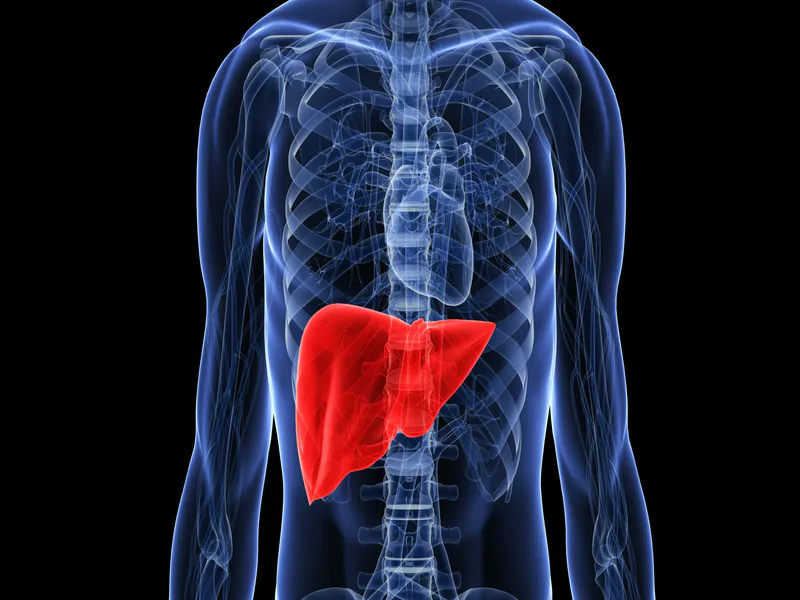
What Is Liver Cancer? Symptoms and Treatment
Liver cancer is a serious disease caused by the uncontrolled growth of abnormal cells in liver tissue. Also known as a liver tumor, this disease may not usually cause symptoms until it progresses; however, in some cases, symptoms of liver cancer such as loss of appetite, weight loss, abdominal pain, and jaundice may be present. These symptoms play a significant role in diagnosing the disease. Depending on the stage of the disease, liver cancer treatment can involve surgery, chemotherapy, or radiation therapy. For those living in Ankara, specialist physicians, such as Prof. Dr. İlter Özer, can offer effective treatment plans. The causes of liver cancer are often linked to factors such as hepatitis, alcohol consumption, and obesity. If you experience any of these symptoms, it is important to consult an Ankara liver doctor as soon as possible.
What is a Liver Tumor and Why Does It Occur?
A liver tumor can be defined as abnormal cell growth in the liver. These tumors can be cancerous (malignant) or non-cancerous (benign). Liver cancer is usually the result of malignant tumors that develop in the liver and is a major cause of cancer deaths worldwide. The question of what causes liver cancer is generally related to several factors. Alcohol consumption, hepatitis B and C viruses, obesity, and liver diseases such as cirrhosis can predispose to the development of these tumors. Additionally, certain genetic factors can increase an individual's risk of liver cancer. The disease's initial asymptomatic nature makes early diagnosis difficult. Therefore, it is extremely important for individuals in at-risk groups to have regular health checkups. Liver tumor symptoms usually appear as they progress and include abdominal pain, weight loss, fatigue, and yellowing of the skin. If such symptoms are noticed, it is important to consult a specialist immediately.
Liver Tumor Symptoms and Diagnostic Methods
Liver tumor symptoms can vary depending on the stage of the disease. In the early stages, some patients may not experience any symptoms. However, as the disease progresses, some common symptoms may appear: abdominal pain, particularly in the upper right quadrant, weight loss, loss of appetite, nausea, and vomiting. Additionally, symptoms such as yellowing of the skin (jaundice), itching, and darkening of the urine may also occur. These symptoms can often be confused with other health problems. Therefore, accurate diagnosis is crucial during liver cancer treatment. Diagnostic methods include blood tests, imaging techniques (ultrasound, CT, MRI), and biopsy. Specialist doctors use these methods to evaluate the disease's course and develop an appropriate treatment plan. There are many specialists you can consult for liver cancer treatment in Ankara. Renowned physicians, such as Prof. Dr. İlter Özer, offer the best treatment options to their patients.
Liver Cancer Symptoms: Signs to Watch Out For
Liver cancer is one of the most common types of cancer worldwide and is characterized by the growth of malignant cells, often known as liver tumors. Because it often presents no symptoms in the early stages, many patients delay diagnosis. However, certain symptoms can appear as liver cancer progresses. These symptoms include loss of appetite, weight loss, abdominal pain, jaundice (yellowing of the skin and eyes), and fatigue. A feeling of fullness or swelling, particularly in the abdominal area, is another important sign that patients should pay attention to. Additionally, some patients may also experience symptoms such as night sweats, itching, or nausea. These can be important clues for those investigating the causes of liver cancer. If you experience one or more of the symptoms mentioned above, you should definitely consult a specialist. Early diagnosis can provide a significant advantage in the treatment process and prevent the disease from progressing.
Liver Tumor Symptoms
Liver tumor symptoms generally vary depending on the stage of the disease. While patients often experience no symptoms in the early stages, the condition can become more serious as the disease progresses. The most common symptoms include abdominal swelling, nausea, indigestion, and loss of appetite. Additionally, patients may often experience fatigue and weakness. Patients seeking liver cancer treatment in Ankara frequently undergo a general health checkup with these symptoms and share these with their doctors. Among the liver doctors in Ankara, jaundice, a yellowing of the skin and eyes, is also considered a significant sign of liver cancer. Not ignoring such symptoms and consulting a healthcare professional allows for early diagnosis. Consequently, early diagnosis is essential for determining the most appropriate treatment methods for liver cancer.
Liver Cancer Diagnosis and Diagnostic Methods
Liver cancer is a serious disease characterized by the uncontrolled growth of abnormal cells in liver tissue. Also known as a liver tumor, this type of cancer usually becomes noticeable when it reaches an advanced stage. Early diagnosis is critical to successful treatment. Liver cancer symptoms are often mild and vague in the initial stages; therefore, patients often seek medical attention in the late stages. Symptoms include abdominal pain, weight loss, loss of appetite, and jaundice. However, it's important to remember that these symptoms can also be associated with other health problems. To understand the answer to the question of what liver cancer is, it's important to understand these symptoms, as well as the methods used to diagnose it. Various methods, such as blood tests, imaging (ultrasound, CT, MRI), and biopsy, are used during the diagnosis process. This helps determine the stage of the disease and develops an appropriate treatment plan. Liver cancer specialists, particularly in Ankara, play a crucial role in this process. They provide detailed information about the patient's condition and determine the appropriate treatment options.
Methods Used in Liver Cancer Diagnosis
Liver cancer is diagnosed using several different methods. First, the patient's medical history and physical examination are performed. Risk factors related to liver cancer are also considered during this stage. Blood tests are then used to assess hepatitis virus and liver function. Imaging methods are a crucial component of the diagnostic process. An Ankara gastroenterologist can help assess liver tumor symptoms and tumor size. If these methods fail to provide a definitive diagnosis, a biopsy may be performed. A biopsy involves taking a sample to confirm the presence of cancer cells. While patients' fears and concerns are natural during this process, it is important to note that these steps, carried out in collaboration with specialist doctors, are critical for an accurate diagnosis. Early diagnosis helps expand liver cancer treatment options and improve patients' quality of life.
Liver Cancer Treatment: Surgery and Other Options
Liver cancer is a serious health problem affecting many people worldwide. Treatment for this disease varies depending on factors such as the patient's general health, the stage of the cancer, and the extent of the disease. Surgery is one of the most common methods of treating liver tumors. Surgery aims to completely remove the tumor, which can then initiate recovery. However, factors such as the tumor's size, location, and the patient's liver function determine whether they are suitable for surgery. If the tumor is small and there are no metastases to other parts of the liver, surgery may be the most effective option. In addition, other treatment methods such as chemotherapy and radiotherapy may be used during liver cancer treatment. Chemotherapy aims to inhibit the growth of cancer cells, while radiotherapy helps shrink the tumor. Targeted therapy may also be used for some patients. These methods focus on specific characteristics of cancer cells, making the treatment process more effective. It is also important for patients diagnosed with liver cancer to receive psychological support. During this period, the support of patients' families and healthcare professionals is crucial during this period, a time when patients need moral support. Therefore, a multidisciplinary approach to liver cancer treatment will improve the patient's quality of life.
Liver Cancer Treatment Methods
Liver cancer treatment varies depending on the stage of the disease and the patient's general health. Surgery is the most common treatment method. If a liver tumor is diagnosed early, surgical removal may be possible. This is one of the most effective methods that increases the patient's chances of recovery. However, if the tumor is large or has spread to other parts of the liver, surgery may not be appropriate. In these cases, systemic treatment methods such as chemotherapy and radiotherapy are recommended. Chemotherapy aims to target cancer cells and stop their growth, while radiotherapy can help shrink the tumor as a regional treatment. Targeted therapy options are also available for some patients during liver cancer treatment. These treatment methods use drugs designed to target specific characteristics of cancer cells, making the treatment process more effective. Supportive care services should also be provided to improve patients' quality of life. Services such as psychological support and nutritional counseling can help patients live better lives during this challenging period. In short, liver cancer treatment requires a comprehensive approach tailored to individual needs and plays a crucial role in their recovery.
Specialist Doctors for Liver Cancer in Ankara
Liver cancer is considered one of the most common types of cancer worldwide. Therefore, finding the right specialist is crucial for patients battling liver tumors. There are many options available for individuals diagnosed with liver cancer in Ankara. Consulting with an experienced Ankara general surgeon and gastroenterologist, such as Prof. Dr. İltar Özer, can make a significant difference in a patient's treatment process. These doctors have extensive knowledge of liver cancer treatment and can help patients determine the most appropriate treatment options. Healthcare institutions specializing in liver cancer in Ankara provide patients with detailed information about liver cancer symptoms and treatment processes, providing pre- and post-treatment support. In addition, these doctors monitor their treatment progress, helping them achieve the best possible health outcomes. Therefore, it is crucial for individuals experiencing liver tumor symptoms to consult a specialist for both diagnosis and the smooth progress of treatment.
Treatment with Specialist Doctors
The treatment process for liver cancer varies depending on the stage of the disease and individual health status. The question "What is liver cancer?" is often asked of patients at the beginning of their treatment process. At this point, patients diagnosed with liver tumors absolutely must consult with a specialist. Liver cancer treatment generally involves various methods, such as surgery, chemotherapy, or radiotherapy. Liver cancer surgery, in particular, is critical for the health of patients. Specialist doctors conduct a detailed assessment to best manage their treatment. Specialist doctors in Ankara guide patients throughout this process and perform all necessary tests and examinations. They also pay close attention to post-treatment care. Therefore, individuals battling liver cancer are advised to closely monitor their health by contacting specialist doctors.
Living with a Liver Tumor: Support and Nutrition Tips
Liver cancer is a major cause of cancer deaths worldwide and often presents with a condition known as a liver tumor. Proper nutrition and supportive measures are crucial for improving patients' quality of life and strengthening their immune systems during the treatment and recovery phase of this disease. When asked about the causes of liver cancer, factors such as genetic factors, hepatitis virus infections, alcohol consumption, and obesity often come to mind. The recommended diet for patients should include plenty of vegetables and fruits, whole grains, and healthy fats. It is also recommended to avoid processed foods, sugary drinks, and excessive salt. Regular physical activity and adequate fluid intake are also supportive factors. Doctors specializing in liver cancer treatment in Ankara strive to improve their patients' overall health by providing them with these recommendations. Symptoms of liver cancer include fatigue, weight loss, abdominal pain, and jaundice; therefore, these symptoms should be monitored carefully.
Fighting Liver Cancer: Psychological Support and Lifestyle Changes
Not only physical health but also psychological support is crucial during the liver cancer treatment process. Being diagnosed with cancer is a mentally challenging situation for many patients. Therefore, patients experiencing liver tumor symptoms require emotional support as well. Participating in support groups can help patients feel they are not alone. Additionally, psychological counseling can be beneficial in stress management and anxiety management techniques. Adopting a healthy lifestyle, including regular sleep, stress management, and engaging in social activities, also supports the treatment process. In conjunction with liver cancer surgery, chemotherapy, or other treatment methods, a holistic approach should be followed to improve patients' quality of life.
Liver Cancer Surgery Options
Liver cancer is a significant health problem worldwide, and surgical intervention plays a crucial role among treatment options. For patients in Ankara, liver cancer surgery options include procedures such as liver resection and liver transplantation. Liver surgery in Ankara is performed by expert physicians, with the contributions of experienced surgeons like Prof. Dr. İlter Özer being of great importance. Liver tumor surgery is planned individually depending on the size and location of the tumor. Additionally, liver metastasis surgery is also performed to improve patients' quality of life. If you would like more information on this topic, please feel free to contact our experts.
How is the Decision for Surgery Made for Liver Tumors?
The decision for surgery for patients diagnosed with liver tumors is made considering many factors. First and foremost, the size, location, and number of tumors are extremely important. The patient's general health status, liver function tests, and other existing illnesses also influence the decision-making process. Teams specializing in liver cancer surgery in Ankara evaluate the individual circumstances of patients to determine the most appropriate surgical option. At this stage, the opinions of experienced physicians in the field of liver surgery in Ankara are sought, and a detailed evaluation is made regarding the patient's suitability for surgery. Whether the tumor is benign or malignant is also a determining factor in the decision to operate. In malignant tumors, early intervention and surgical treatment can prolong the patient's lifespan. Furthermore, the amount of liver that can be removed directly affects the patient's recovery process. Therefore, surgical treatment of liver tumors is a complex process requiring a multidisciplinary approach.
Surgical Options for Liver Tumors
Surgical options for liver tumors vary depending on the type and stage of the tumor. Liver tumor surgery is generally performed by resection, meaning the surgical removal of the tumor. However, if the tumor is large or affects a significant portion of the liver, liver resection may be necessary. In addition, liver transplantation is considered as an alternative in some cases. This is a preferred method, especially if a large portion of the liver is affected by the tumor and other treatment methods are not suitable. The postoperative recovery process varies depending on the patient's general condition and the scope of the surgery. Liver metastasis surgery, for example, may require a different surgical approach if the cancer has spread to other organs. Therefore, for a successful treatment process, the most appropriate surgical method should be determined under the guidance of an expert surgeon, taking into account the patient's condition and tumor characteristics. Furthermore, the opinions of experienced surgeons like Prof. Dr. İlter Özer can be a significant guide in the treatment process.
How Much of the Liver Can Be Removed and Regenerated?
The liver is one of the most important organs in our body and has many vital functions. In Ankara liver cancer surgery, one of the most frequently asked questions by surgeons is how much of the liver can be removed and to what extent the removed portion can be regenerated. The liver has a unique structure compared to other organs; a large portion can be removed even without significant damage. Before surgical intervention, factors such as the patient's general health, the size and location of the tumor are considered. Doctors in Ankara surgical centers meticulously evaluate these factors to determine the most appropriate treatment method for the patient. If a portion of the liver is removed, the remaining part can regenerate over time. This process varies depending on the patient's age, general health, and postoperative care. For example, in a healthy individual, even after a 75% resection, the liver can regrow and return to its normal functions within a few months. However, this regeneration process differs for each individual, and there are many points to consider after surgery.
Liver Resection and the Regeneration Process
Liver resection is the surgical removal of a specific portion of the liver. This procedure is usually performed to clear the area where tumors are located. After surgery, the remaining part of the liver is restructured according to the body's needs. This process occurs quite effectively thanks to the liver's natural regeneration capacity. In liver surgery centers in Ankara, specialist physicians create a personalized recovery plan for patients, taking this into account. Postoperative care, diet, and physical activity are factors that directly affect the healing process. Furthermore, it is recommended that patients have regular check-ups to monitor the liver's growth and the restoration of its functions. In the post-operative period, another important point for patients to pay attention to is the risk of infection; therefore, care must be taken regarding hygiene conditions. In conclusion, how patients feel and how long it takes to recover after liver tumor surgery varies depending on their individual health status and lifestyle after surgery.
Is Surgery Possible for Metastatic Liver Tumors?
Liver cancer continues to be a significant health problem worldwide. Surgical options, especially liver cancer surgery in Ankara, play a critical role in the treatment of the disease. Metastatic liver tumors usually result from cancer from another organ spreading to the liver. In this case, the feasibility of surgery depends on many factors, such as the number and size of the tumors and the patient's overall health. Surgical intervention should be planned considering the number and location of metastases. If the number of metastases is small and surgery is feasible, these procedures are performed in specialized centers such as liver surgery in Ankara. However, if the metastases are widespread and the risks of surgery are high, alternative treatment methods should be evaluated. Throughout this process, patients need to be guided by a team of experts, and the treatment process must be carefully managed.
Things to Consider During Liver Cancer Surgery
Liver cancer surgery directly affects the quality of life and health of patients. In this context, a comprehensive evaluation of patients before liver tumor surgery is important. Initially, the patient's general health status, other health problems, and the stage of the cancer are considered. If liver resection is necessary, the size and location of the tumor and the patient's liver functions are analyzed for the surgeon to make a decision. The need for a liver transplant is also evaluated. If the patient has metastases to the liver, liver metastasis surgery options should also be considered. The recovery process after surgery varies depending on the stage of the disease and the scope of the surgery. Therefore, regular follow-up and support from experts are critically important. Experienced surgeons like Prof. Dr. İlter Özer can guide patients through this process, helping them achieve the best possible results.
Which Patients Need a Liver Transplant?
In Ankara, one of the most important steps in liver cancer surgery is determining the need for a liver transplant, depending on the patient's condition and the health of the liver. Liver transplantation is generally the preferred treatment option in cases of advanced liver disease, cirrhosis, and some types of cancer. Various criteria are considered to determine if patients are suitable for transplantation. First, the patient's general health, the extent of liver damage, and the condition of other organs are evaluated. Liver transplantation should be considered when surgical options such as liver metastasis surgery are insufficient. In particular, in patients who experience tumor recurrence after liver tumor surgery, complete removal of the liver may become necessary. Therefore, it is crucial that patients are evaluated by a multidisciplinary team and an appropriate treatment plan is developed. Furthermore, the patient's life expectancy and quality of life are also influential factors in the transplantation decision. Suitable patients can take their place on the transplantation waiting list.
Liver Transplantation Process and Aftermath
The liver transplantation process requires patients to go through a series of stages. First, patients are thoroughly evaluated by specialist physicians at liver surgery centers in Ankara. Their medical history, existing illnesses, and treatment history are reviewed to determine their suitability for transplantation. Patients deemed suitable are placed on the transplant waiting list after necessary tests and examinations. Experts in the field, such as Prof. Dr. İlter Özer, are involved in every stage of the transplant process, providing necessary guidance. The recovery process after transplantation varies depending on the patient's overall health. Generally, patients are monitored in intensive care for a period after surgery and then transferred to a regular room. During the recovery process, patients undergo regular check-ups and receive necessary medication. It is important for patients to make some lifestyle changes, attend regular check-ups, and follow their doctor's recommendations after transplantation. Social support during this process can also help patients cope more easily psychologically.
Recovery Process After Liver Surgery
In the treatment of liver cancer, surgical intervention is a crucial step in improving the patient's quality of life and halting the progression of the disease. In Ankara, the recovery process for patients undergoing liver cancer surgery varies depending on the type of surgery performed, the patient's general health status, and any pre-existing comorbidities. Several important points should be considered by patients after surgery. During this period, it is recommended that patients accelerate their recovery through adequate rest, balanced nutrition, and regular check-ups. Furthermore, patients should be vigilant about potential complications following surgery and strictly follow their doctor's recommendations. Psychological support is extremely important for morale and motivation at every stage of the recovery process. This allows patients to overcome their physical and emotional recovery more easily.
Post-Surgery Considerations
Among the most important factors for patients to consider during the post-operative recovery process are nutrition and physical activity. After surgery, patients at liver surgery centers in Ankara are encouraged to adopt a healthy and balanced diet. Consuming foods rich in protein, vitamins, and minerals can accelerate the liver's healing process. Physical activity, on the other hand, positively contributes to the recovery process by increasing patients' energy levels. However, it is crucial that these activities are carried out according to the doctor's recommendations. Furthermore, regular check-ups with a doctor are critical for the early diagnosis of potential complications. Following liver tumor surgery, regular follow-ups should be conducted to monitor patients' health and refer them for additional treatments if necessary. In conclusion, patients who undergo liver resection or other surgical procedures can lead healthier and higher-quality lives by paying attention to their lifestyle in the post-operative period.
Alternative Treatments for Patients Unsuitable for Surgery
Liver cancer is a significant health problem worldwide. However, some patients may not be suitable for surgical intervention due to their general health condition or other medical conditions. In this case, alternative treatment methods come into play. Instead of invasive methods such as liver cancer surgery, chemotherapy, radiotherapy, and targeted therapy options are considered. Especially when researching liver cancer surgery options in Ankara, there are important alternatives for patients determined to be unsuitable for surgery. These alternative treatments aim to improve the patient's quality of life and control disease progression. Additionally, these types of treatments can help patients with pain management and symptom relief. Oncology specialists create the most appropriate treatment plan by evaluating each patient's individual situation, and a multidisciplinary approach is adopted in this process.
Effectiveness of Alternative Treatment Methods
The effectiveness of alternative treatment methods varies depending on the patient's individual characteristics, the type and stage of the tumor. For example, for patients carefully evaluated in liver surgery centers in Ankara, systemic treatment options come to the forefront. While chemotherapy aims to prevent the growth of cancer cells, targeted therapies work on specific molecular targets, making treatment possible with fewer side effects. In addition, immunotherapies have become an important treatment option in recent years. It is also very important for patients to receive psychological support during the treatment process, as the fight against cancer can be challenging both physically and emotionally. Therefore, for patients for whom surgical treatment options such as liver tumor surgery are not suitable, these alternative approaches play a major role in improving their quality of life.
Frequently Asked Questions
What is liver cancer?
Liver cancer is a malignant tumor that begins in the liver cells and is most commonly known as hepatocellular carcinoma. This type of cancer results from the abnormal growth and uncontrolled proliferation of normal liver cells. It is often associated with liver diseases such as cirrhosis and may not present symptoms in the early stages, making diagnosis difficult.
What are the symptoms of liver cancer?
Symptoms of liver cancer include unexplained weight loss, loss of appetite, abdominal pain, jaundice, fatigue, and abdominal distension. These symptoms usually become apparent in the later stages of the disease. Additionally, some patients may also experience symptoms such as itching, nausea, and vomiting. These symptoms can be confused with other conditions, so careful evaluation is necessary.
How is a liver tumor treated?
Treatment for a liver tumor depends on the size and number of tumors and the patient's general health. Treatment options include surgery, radiotherapy, chemotherapy, and targeted therapies. Surgery is usually the most effective option for tumor removal. However, the treatment plan must be personalized for each patient.
Which doctors should be consulted for liver cancer treatment in Ankara?
For liver cancer treatment in Ankara, it is recommended to consult a gastroenterologist and general surgeon. These specialists play an important role in the diagnosis and treatment of the disease. Prof. Dr. Experienced doctors like İlter Özer manage patients' treatment processes by creating personalized treatment plans. The presence of these specialists in healthcare facilities facilitates the treatment process.
What causes liver cancer?
The main causes of liver cancer include hepatitis B and C viruses, excessive alcohol consumption, obesity, and cirrhosis. These factors can damage liver cells and increase the risk of cancer. Additionally, certain genetic factors and exposure to chemicals can also contribute to the development of this disease. Being aware of these risk factors is important for taking precautions.
What are the symptoms of liver tumors?
Symptoms of liver tumors are usually progressive. These symptoms include pain in the upper right abdomen, jaundice (yellowing of the skin and eyes), extreme fatigue, loss of appetite, and weight loss. Some patients may also complain of abdominal distension. These symptoms should be carefully monitored to determine the course of the disease.
How is liver cancer surgery performed?
Liver cancer surgery is usually performed to remove the tumor. During the surgery, the tumor and some of the surrounding healthy tissue are removed. This procedure can be performed using laparoscopic or open surgery. Post-operative recovery varies depending on the patient's general health and the extent of the surgery, so the doctor's recommendations should be followed.
What methods are used in liver cancer treatment?
Methods used in liver cancer treatment include surgery, chemotherapy, radiotherapy, and targeted therapies. Surgery physically removes the tumor. Chemotherapy uses drugs to destroy cancer cells, while radiotherapy is effective in shrinking the tumor. The treatment plan should be tailored to the patient's individual situation.
What is the importance of early diagnosis in liver cancer?
Early diagnosis significantly increases the success of treatment. Cancer detected at an early stage is less advanced and can be removed surgically. Furthermore, early diagnosis improves the patient's quality of life and expands treatment options. Therefore, it is recommended that individuals with risk factors undergo regular health checkups.
What should be expected after liver cancer treatment?
After liver cancer treatment, it is important for patients to be monitored and their recovery carefully managed. Some side effects may occur after surgery, so it's important to follow your doctor's recommendations and have regular checkups. Additionally, dietary and lifestyle changes can help patients live healthier lives. Support groups can also be helpful during the recovery process.
What is the process of liver cancer surgery?
Liver cancer surgery is a process that varies depending on the size and location of the tumor. First, the patient's general health is assessed. During surgery, cancerous tissue is removed, and if necessary, a portion of the liver is resected. The post-operative recovery process varies depending on the patient's age and health condition.
Which are the best hospitals for liver surgery in Ankara?
There are many high-quality hospitals in Ankara for liver surgery. Private hospitals and university hospitals provide services with experienced surgeons and modern equipment. Patients can be treated by teams specializing in surgery. Therefore, it is recommended that patients research and choose the one that best suits their needs.
What is the recovery process like after liver tumor surgery?
The recovery process after liver tumor surgery varies depending on the patient's general health condition and the scope of the surgery. Generally, patients stay in the hospital for a few days and then need to rest at home. During follow-up appointments, doctors monitor the recovery process and may make adjustments to the treatment plan if necessary.
What is liver resection?
Liver resection is the surgical removal of cancerous or diseased liver tissue. This procedure involves removing a portion of the liver, depending on the size and location of the tumor. Regular follow-up after resection is crucial, as the remaining liver can continue to function healthily.
Who is eligible for a liver transplant?
Liver transplants can be performed on patients with liver failure or advanced liver disease. The transplant process begins with finding a suitable donor. Patients must undergo a thorough evaluation before the transplant and their health status must be suitable. Many centers in Ankara specialize in this area.
How is liver metastasis surgery performed?
Liver metastasis surgery refers to the surgical removal of cancer cells that have spread to the liver from other organs. This procedure varies depending on the stage of the disease and the number of tumors. Regular follow-up after surgery is critical for the success of the treatment process.
What are Prof. Dr. İlter Özer's areas of expertise?
Prof. Dr. İlter Özer is a surgeon specializing in liver surgery, liver cancer treatment, and liver transplantation. He offers successful treatment processes to many patients in Ankara. He is a well-known name in his field and helps his patients with surgical techniques and innovative treatment methods.
What are the risks of liver cancer surgery?
Liver cancer surgery, like any surgical procedure, carries some risks. Bleeding, infection, and complications related to anesthesia can occur. Also, problems such as the liver not being able to maintain adequate function may arise. Therefore, it is recommended to have a detailed discussion with the doctor before the surgery.
Are there alternative methods in liver cancer treatment?
In addition to surgical methods in liver cancer treatment, there are also alternative methods such as chemotherapy, radiotherapy, and targeted therapy. However, the effectiveness of these methods varies depending on the patient's condition. Therefore, it is important for patients to create a treatment plan with a specialist doctor.
How much do liver cancer surgeries cost in Ankara?
The prices of liver cancer surgeries in Ankara vary depending on the type of hospital, the scope of the surgery, and the patient's health condition. While private hospitals generally charge higher fees, public hospitals often offer more affordable options. Patients should inquire about costs before treatment.