Gastric Cancer | Treatment and Symptoms

Gastric Cancer | Treatment and Symptoms

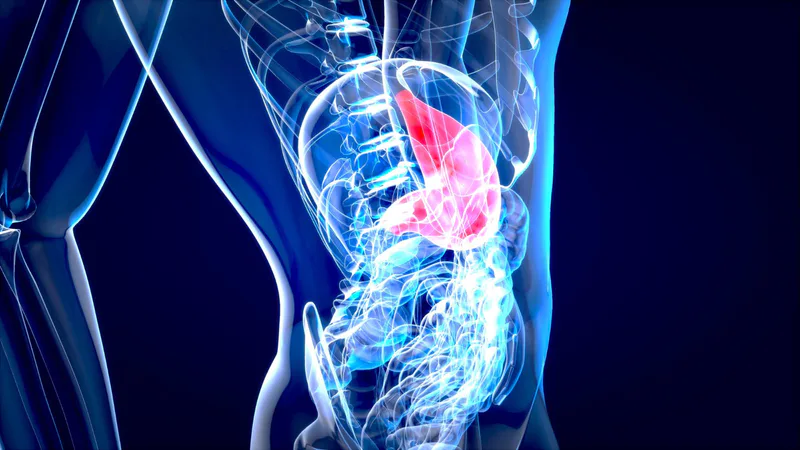
Gastric cancer is the 5th most common cancer in the world and one of the leading causes of cancer-related death. It is more common in far eastern countries such as Japan and South Korea. A considerable majority of patients can receive an early diagnosis and the disease can be diagnosed at early stages thanks to extensive screening programs in these countries. In this way, more successful results can be obtained after gastric cancer surgery. In Western countries, gastric cancer is usually detected at more advanced stages. In our country, gastric cancer is detected at even more advanced stages. This situation both complicates the treatment and adversely affects the treatment results.

What Is Stomach Cancer? Symptoms and Treatment

Stomach cancer is a serious disease caused by the uncontrolled growth of cells in the stomach tissue, forming a tumor. Symptoms of stomach cancer include stomach pain, weight loss, loss of appetite, and digestive problems. These symptoms usually become more pronounced in later stages. Treatment for stomach cancer can include surgery, chemotherapy, or radiation therapy, depending on the stage of the disease. It is important to consult a specialist doctor like Prof. Dr. İlter Özer for stomach cancer treatment in Ankara. The causes of stomach cancer are related to many factors, including genetics, dietary habits, and environmental factors. Early diagnosis and appropriate treatment can lead to successful outcomes in the fight against stomach cancer. Contact our specialist doctors for more information or to schedule an appointment.

What is Stomach Cancer? Basic Information and Definition

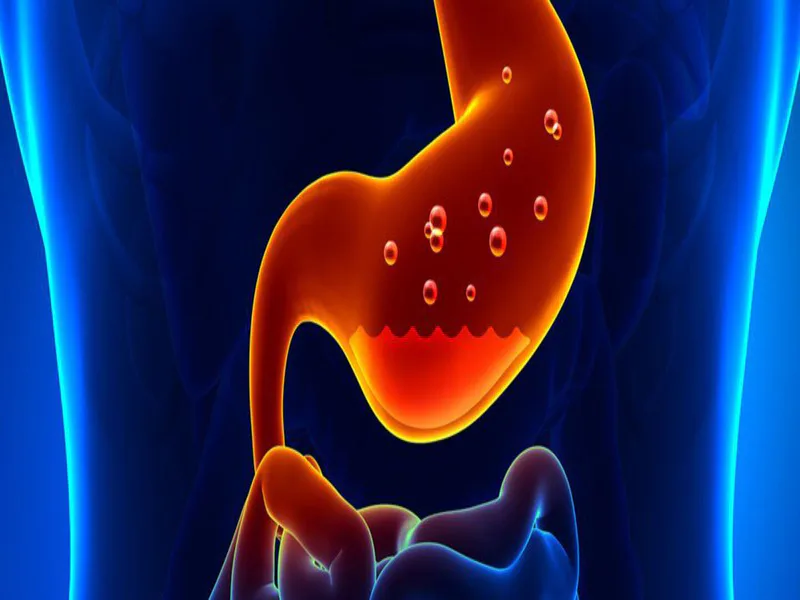
Stomach cancer is a type of cancer caused by the uncontrolled growth of abnormal cells in the stomach tissue. The stomach is an important part of the digestive system, playing a critical role in digesting food. The answer to the question of what stomach cancer is suggests that this disease is typically associated with tumors that begin in the stomach lining or the lining of the stomach. Stomach cancer typically begins in the lining of the stomach, the mucosal layer, and can grow deeper over time, spreading to larger tissues. While asymptomatic in the early stages, this disease can lead to serious health problems as it progresses. Stomach cancer, a common type of cancer worldwide, is particularly common in developing countries. Risk factors include genetic predisposition, smoking, excessive alcohol consumption, an unhealthy diet, and certain stomach disorders. Specialist doctors in Ankara use various methods for stomach cancer treatment. The treatment process varies depending on the stage of the disease, the patient's general health, and other personal factors. In this article, you can find more information about the symptoms, causes, and treatment methods of stomach cancer.

What Causes Stomach Cancer? Risk Factors and Causes

The question of what causes stomach cancer can be answered by a combination of many factors. Genetic factors increase the likelihood of developing the disease in individuals with a family history of stomach cancer. Additionally, common symptoms of stomach cancer, such as loss of appetite, weight loss, and stomach pain, can be signs of disease progression. Smoking and excessive alcohol consumption are also risk factors. Unhealthy eating habits, such as consuming high-salt and processed foods, can also predispose to stomach cancer. Furthermore, experts like the Ankara gastroenterologist recommend that individuals with stomach disorders be regularly checked. Conditions such as stomach ulcers and gastritis can increase the long-term risk of developing cancer. Therefore, knowing the risk factors associated with stomach cancer and having regular checkups are crucial for preventing and early diagnosis.

Stomach Cancer Symptoms: What Signs to Look Out For?

Stomach cancer is the cancerous growth of the stomach tissue, a vital part of the digestive system. This disease can often progress without symptoms, making early diagnosis crucial. Stomach cancer symptoms can include some that are often overlooked or confused with digestive problems. The most common symptoms include nausea, loss of appetite, weight loss, abdominal pain, and indigestion. These symptoms may be initially mild and therefore may be overlooked; however, they can worsen over time. Pain and discomfort, particularly in the stomach area, can be warning signs of stomach cancer. Some patients may also experience difficulty swallowing and persistent indigestion. Treatment for stomach cancer depends on the stage of the disease and the individual's overall health. Therefore, it is recommended that anyone experiencing the symptoms listed above consult a healthcare professional as soon as possible. For those living in Ankara, specialists known as Ankara stomach doctors are ideally suited to evaluate such symptoms and conduct the necessary tests. Early diagnosis increases the success rate of treatment.

What Causes Stomach Cancer? Risk Factors and Causes

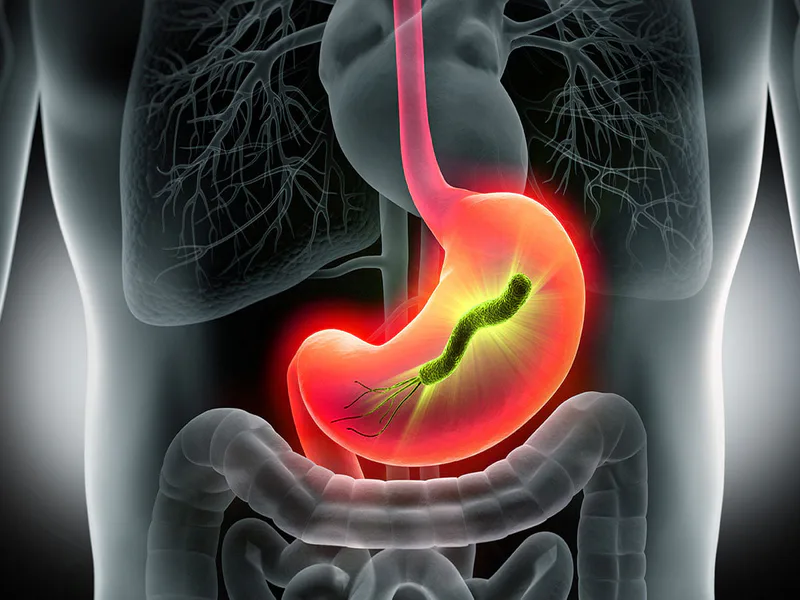
Many people are curious about the causes of stomach cancer. While the exact cause of stomach cancer is not yet fully understood, certain risk factors play a significant role in the development of the disease. Genetic predisposition stands out as a significant factor in the development of stomach cancer. Individuals with a family history of stomach cancer are more likely to develop the disease. Furthermore, dietary habits are among the factors that affect the risk of stomach cancer. Consuming excessively salty, smoked, and processed foods can increase the risk of stomach cancer. Smoking and alcohol consumption can also contribute to the development of this disease. Helicobacter pylori, a bacterium that causes stomach infections, is also one of the answers to the question of what causes stomach cancer. The presence of this bacterium can damage the stomach lining and pave the way for cancer development. Consequently, knowing the risk factors associated with stomach cancer is a critical step for early diagnosis and treatment.

What Causes Stomach Cancer? Risk Factors and Causes

Stomach cancer is a disease caused by the growth of abnormal cells in the stomach tissue. These types of cancers typically develop slowly and may not initially cause noticeable symptoms. However, symptoms can increase over time, and the disease can become more difficult to manage. What causes stomach cancer? Many factors can contribute to its development. Factors such as genetic predisposition, environmental factors, and lifestyle increase the risk of stomach cancer. Individuals with a family history of stomach cancer are more likely to develop the disease. Certain dietary habits are also risk factors. Excessive consumption of salty, smoked, and processed foods, in particular, can increase the risk of stomach cancer. Smoking and excessive alcohol consumption are also significant contributing factors to the development of this disease. Certain stomach conditions, such as gastritis, can also increase the risk of stomach cancer in the long term. Furthermore, the risk of stomach cancer increases with age. The prevalence of this disease is particularly high in individuals aged 50 and over. Finally, certain infections, particularly Helicobacter pylori, can play a role in the development of stomach cancer. This infection causes inflammation of the stomach lining, increasing the risk of cancer.

Stomach Cancer Symptoms and Diagnosis

Stomach cancer symptoms usually appear in the later stages of the disease. Initially, patients may experience general symptoms such as mild digestive problems, nausea, or loss of appetite. However, as the disease progresses, more specific symptoms may be observed. For example, abdominal bloating, pain, or discomfort are important signs of stomach cancer. Additionally, weight loss, difficulty swallowing, and bloody stools are also symptoms to watch out for. Individuals experiencing such symptoms are advised to consult an Ankara gastroenterologist or gastroenterologist. Early diagnosis is critical to the success of treatment. During the diagnostic process, doctors can usually make a definitive diagnosis using various imaging tests, endoscopy, and biopsy. If stomach cancer is diagnosed, an appropriate treatment plan is developed based on the patient's condition and stage. Treatment options include surgery, chemotherapy, and radiation therapy. Treatment for stomach cancer varies depending on the stage of the disease, the patient's general health, and other factors.

Stomach Cancer Treatment: Methods and Process

Stomach cancer is a type of cancer that results from the uncontrolled growth of cells in the stomach tissue. Treatment for this disease varies depending on the stage of the cancer, the patient's general health, and other individual factors. Generally, stomach cancer treatment includes surgery, chemotherapy, and radiation therapy. Surgical treatment generally aims to remove the cancerous tissue. If the tumor is detected in an early stage, complete surgical removal is usually possible. However, if the cancer is in an advanced stage, treatment can become more complex, and an appropriate treatment plan should be developed considering the symptoms of stomach cancer. Chemotherapy is the use of drugs that help inhibit the growth of cancer cells. Radiotherapy, on the other hand, uses high-energy rays to destroy cancer cells. These treatment methods are often used in combination. It is important for patients to be regularly monitored throughout the treatment process and to update their treatment plans as necessary. Patients living in Ankara can learn the most appropriate treatment methods by contacting specialists known as Ankara stomach doctors.

Things to Consider During Stomach Cancer Treatment

During the treatment process, it is important for patients to understand the causes of stomach cancer. Eating habits, genetic factors, and environmental factors can play a role in the development of stomach cancer. It is also critical for patients to receive psychological support during treatment. Psychological support can help patients navigate the treatment process more comfortably. Furthermore, following a healthy diet during treatment can support the immune system and accelerate recovery. Patients should be monitored regularly throughout the treatment process, in accordance with the opinions of a general surgeon in Ankara. These follow-up visits are important for evaluating treatment effectiveness and managing potential side effects. Recovery times after stomach cancer surgery can vary, so patients should be patient. Specialist doctors like Prof. Dr. Iter Özer guide patients through stomach cancer treatment in Ankara and recommend the most appropriate treatment methods. During this period, patients' health should be continuously monitored, and additional treatment methods should be implemented if necessary.

Stomach Cancer Surgery: What to Expect?

Stomach cancer is a disease that typically occurs when cells in the stomach tissue grow uncontrollably. This disease may not cause symptoms in the early stages, so diagnosis is usually made in advanced stages. Stomach cancer treatment varies depending on the stage of the disease and the patient's general health. Surgery is an important part of stomach cancer treatment. Stomach cancer surgery may require the removal of part or all of the patient's stomach. After this type of surgery, patients typically stay in the hospital for a few days and are advised to follow certain dietary guidelines during recovery. Post-operative patients should be aware of any stomach cancer symptoms and treatment options. Additionally, constant communication with an Ankara gastroenterologist or general surgeon can help ensure a healthier recovery. It's important for patients to adapt their lifestyles after surgery and follow their doctor's recommendations. Generally, the success rate of stomach cancer treatment increases with early diagnosis and effective treatment.

Things to Consider During Gastric Cancer Surgery

Before stomach cancer surgery, patients must undergo a thorough evaluation. This evaluation includes the patient's general health, other medical conditions, and any necessary preoperative tests. It's important to develop a stomach cancer treatment plan during the preoperative period. Details such as which part of the stomach will be removed and the type of surgical technique will be used are determined based on the patient's specific condition. Postoperatively, patients should have regular checkups and adhere to the recommended diet plan to accelerate recovery. Furthermore, specialist doctors like Prof. Dr. Iter Özer can guide patients through the treatment process. Being informed about potential postoperative complications and stomach cancer symptoms also allows patients to have a more informed decision. In conclusion, in the fight against stomach cancer, the informed participation of patients in the process is as crucial as early diagnosis and appropriate treatment methods.

Ankara Gastroenterologist: Prof. Dr. İter Özer

Stomach cancer is a malignant tumor that begins in the stomach tissue and usually develops in the gastric epithelial cells. The stomach is a vital part of the digestive system, helping to digest food. Many people are curious about what stomach cancer is. Because this disease doesn't present any obvious symptoms in the early stages, it is often diagnosed late. Symptoms of stomach cancer can include persistent stomach pain, loss of appetite, weight loss, and indigestion. When experiencing such symptoms, it is crucial to consult a specialist. There are many doctors in Ankara who specialize in this field. For example, Prof. Dr. İter Özer, known as the Ankara Stomach Doctor, is a gastroenterologist specializing in stomach diseases. He offers his patients various stomach cancer treatment methods and develops solutions tailored to their individual health needs. Early diagnosis and appropriate treatment methods are crucial in stomach cancer treatment. Therefore, adopting a healthy lifestyle and having regular checkups are highly beneficial to reduce the risk of stomach cancer.

Stomach Cancer Symptoms and Diagnosis

Stomach cancer symptoms can vary depending on the course of the disease. In the early stages, patients often experience symptoms such as stomach discomfort, bloating, nausea, and vomiting. Over time, these symptoms can be accompanied by more serious ones such as loss of appetite, weight loss, and difficulty swallowing. These symptoms can often be overlooked, especially in older individuals. Therefore, it is important for patients to consult a healthcare provider when they experience such symptoms. Doctors specializing in stomach cancer in Ankara perform various tests to evaluate patients' health status. These include endoscopy, biopsy, and imaging studies. Early diagnosis increases the chance of success in stomach cancer treatment. Therefore, individuals who are aware of their stomach cancer risk factors are recommended to have regular checkups. Adopting a healthy lifestyle and reducing smoking and alcohol consumption are also recommended measures. The answer to the question of what causes stomach cancer depends on many variables, including genetic factors, environmental factors, and dietary habits.

Frequently Asked Questions

What is stomach cancer?

Stomach cancer is a disease caused by the uncontrolled growth of malignant (cancerous) cells that begin in the lining of the stomach. It usually develops in the stomach lining or other tissues of the stomach. Symptoms of stomach cancer often appear late, so early diagnosis is important. Risk factors include genetic predisposition, diet, and age.

What are the symptoms of stomach cancer?

Stomach cancer symptoms include persistent stomach pain, weight loss, loss of appetite, difficulty swallowing, and nausea. Symptoms such as a feeling of fullness after eating and bloody stools may also occur. These symptoms become more pronounced in advanced stages of stomach cancer and require medical attention.

How is stomach cancer treated?

Stomach cancer treatment varies depending on the stage of the disease. It is usually a combination of surgery, chemotherapy, and radiation therapy. Surgery may involve removing part or all of the cancerous stomach. Chemotherapy helps kill cancer cells, while radiation therapy is used to reduce the size of the tumor.

Which doctors can I see for stomach cancer treatment in Ankara?

General surgeons and gastroenterologists are preferred for stomach cancer treatment in Ankara. Doctors specializing in these fields guide patients through the diagnosis and treatment processes. Experienced specialists like Prof. Dr. İlter Özer play a crucial role in stomach cancer treatment and create customized treatment plans tailored to the patient's needs.

What causes stomach cancer?

While the exact causes of stomach cancer are not fully known, there are certain risk factors. Factors such as genetic predisposition, consumption of excessively salty and processed foods, smoking, and H. pylori infection can trigger the development of stomach cancer. Therefore, a healthy diet and regular checkups are recommended.

How is stomach cancer surgery performed?

Stomach cancer surgery is usually performed using open or laparoscopic methods. The surgery aims to remove cancerous tissue. The surgeon may remove part or all of the stomach. Post-operative recovery varies depending on the doctor's recommendations and individual health status.

How is stomach cancer diagnosed?

Stomach cancer is usually diagnosed based on the patient's medical history, physical examination, and various imaging methods. Endoscopy and biopsy are frequently used to determine the presence of cancer cells. Additionally, blood tests and imaging techniques (such as ultrasound and CT scans) help determine the stage of the disease.

Which age group is most common in stomach cancer?

Stomach cancer is generally more common in individuals aged 50 and over. However, there is also a risk of developing the disease at a younger age. It is important for individuals with a family history of stomach cancer to be more vigilant and not neglect regular health checkups. Early diagnosis facilitates the treatment process.

What foods are recommended for stomach cancer treatment?

It is important for individuals undergoing stomach cancer treatment to pay attention to their diet. Fiber-rich fruits and vegetables, whole grains, healthy fats, and protein sources (fish, chicken) should be preferred. Furthermore, avoiding processed foods and foods high in salt and sugar can improve overall health.

What is the research on stomach cancer?

Numerous studies are ongoing on stomach cancer. Studies are ongoing on new treatment methods, immunotherapies, and targeted therapies. Furthermore, research is being conducted on the use of biomarkers and the importance of genetic analysis for early diagnosis. These developments aim to simplify patient treatment processes.

There have been important developments in the treatment of gastric cancer in recent years. Changes in gene level, mutations, the development of multidisciplinary approaches in the treatment of stage 4 gastric cancer (advanced gastric cancer), and developments in minimally invasive surgery (laparoscopic surgery) have led to advances in the treatment of gastric cancer. While metastatic disease (liver metastases or peritoneal metastases) was previously treated with only chemotherapy, recent developments have led to successful results in some of these patients by combining surgical treatment with other treatment modalities.

Diagnosis and Staging 

The type of tumor, its location in the stomach, diameter (size), depth, spread, and genetic analysis determine the choice of treatment and outcomes. These factors are determined by appropriate diagnosis and staging methods.   

Symptoms of gastric cancer often include nausea, vomiting, loss of appetite, early satiety, dyspepsia, and stomachache. These symptoms may be mild and vague. These symptoms could be nonspecific and minor. Additionally, non-cancerous disorders can also exhibit them. When the symptoms worsen, the disease may have reached an advanced stage. Gastric cancer is mainly diagnosed by endoscopy. The stomach wall is examined in detail and a biopsy is conducted on the suspicious lesion. The next stage after the diagnosis is staging. The main purpose of staging is to plan the treatment. Departments such as surgery, gastroenterology, medical oncology, radiation oncology, pathology, and radiology are all involved in the management of gastric cancer, but with the current knowledge, surgery is the only method that gives the patient a chance of complete recovery. International guidelines should be followed when performing diagnostic and staging procedures such as blood testing, ultrasonography, endoscopic ultrasonography, computed tomography, PET, magnetic resonance imaging.

Treatment

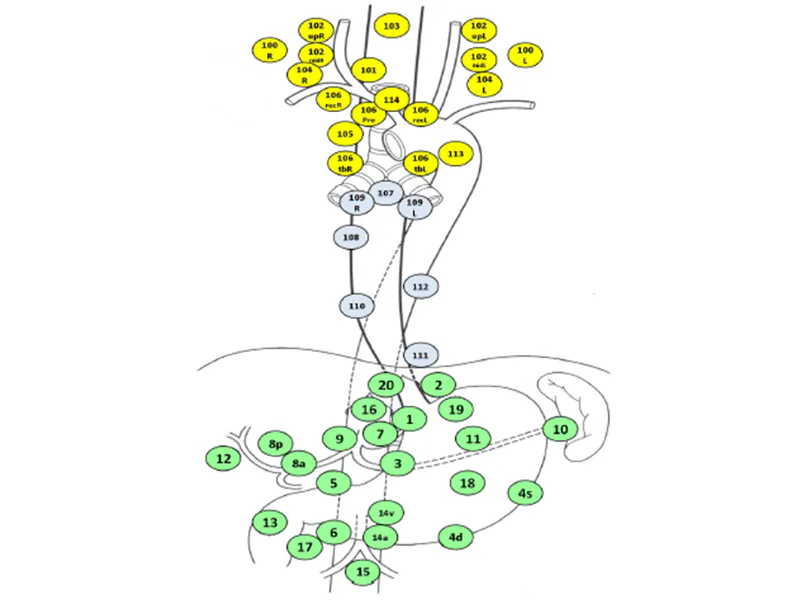
Surgery is the only treatment method that gives patients a chance of recovery. In surgical treatment, the entire stomach (total gastrectomy) or a large part of it (subtotal gastrectomy) is removed depending on the location and size of the tumor. For an oncologically adequate surgery, the lymph nodes of the stomach should also be removed extensively. According to international guidelines, the removal of at least 15 lymph nodes is recommended for accurate staging. Today, it is generally accepted that D2 lymphadenectomy (lymph node dissection) is necessary. 

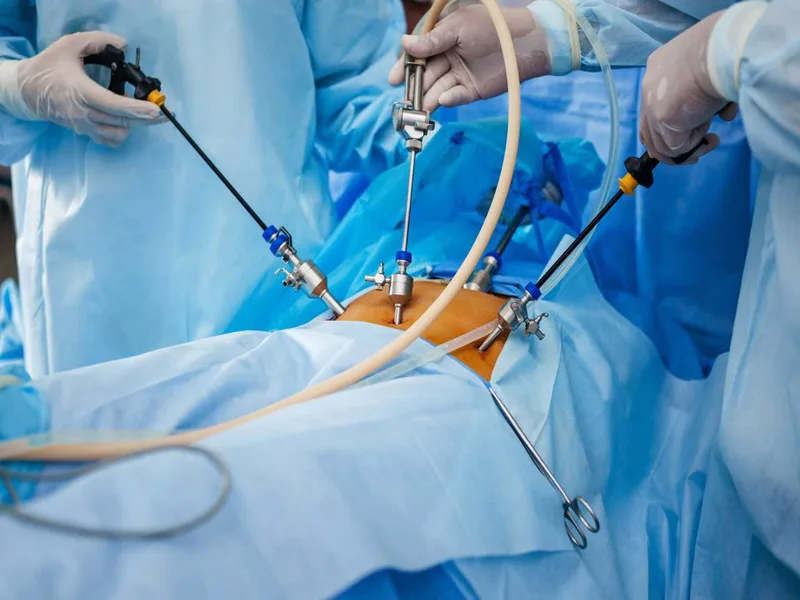
Following surgical techniques and technological advances, minimally invasive techniques have also been used in the treatment of gastric cancer. Laparoscopic surgery and robotic surgery are minimally invasive surgical methods. Less pain, less blood loss, a very small scar, earlier recovery of bowel function, and a shorter hospital stay are benefits of minimally invasive surgery. Choosing the appropriate patient is crucial in this situation. Oncologic results are comparable with open surgery with appropriate patient selection.

Endoscopic Treatment for Early Gastric Cancer 

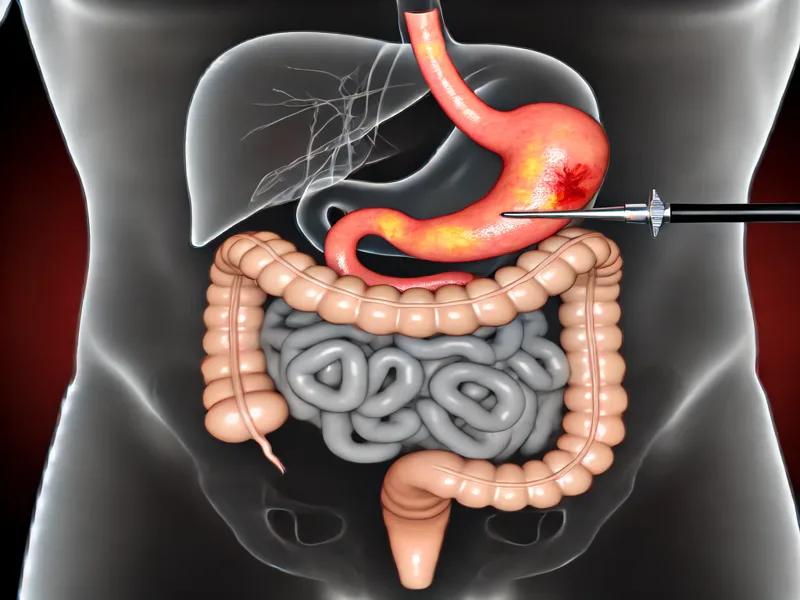
In early gastric cancer, it is possible to treat some patients with endoscopic techniques without the need for open or laparoscopic surgery. These techniques are called endoscopic mucosal resection (EMR) and endoscopic submucosal dissection (ESD). These techniques should be used in the presence of certain conditions defined by international guidelines. In patients without these conditions, surgical treatment is necessary. It is critical that the right patient is selected, and the procedure is performed by an experienced endoscopist. 

Stage 4 (End stage, advanced stage, metastatic) Treatment in Gastric Cancer

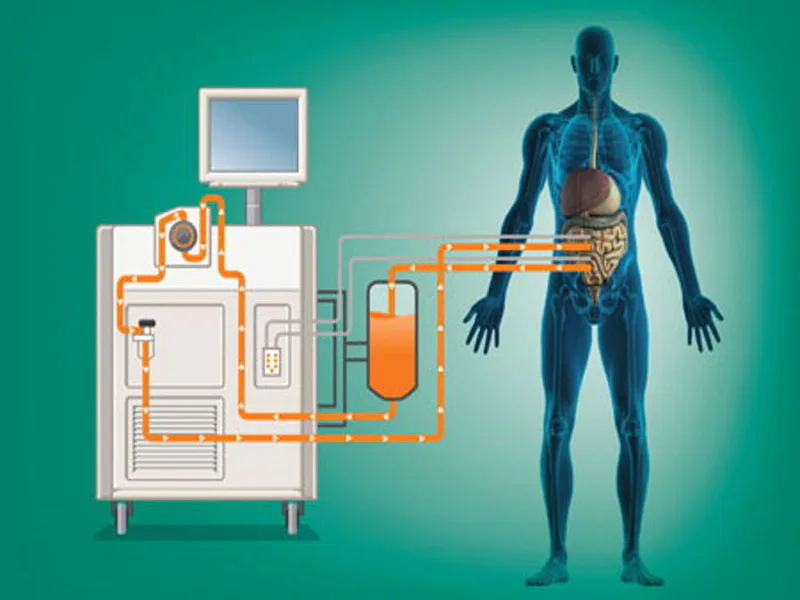
Gastric cancers that spread to other organs through the bloodstream or to the peritoneal cavity by direct spread are more difficult to treat and have worse outcomes. However, with the developments in multimodal treatments in recent years, relatively successful results can be obtained in a substantial number of these patients. It is crucial to assess these patients in a tumor council and come to a decision with input from several departments. (surgery, medical oncology, radiation oncology, pathology, radiology). After complete removal of the tumor nodules in the abdomen, hyperthermic intraperitoneal chemotherapy have increasingly gained popularity for treating gastric cancers that have metastasized to the peritoneal cavity. This procedure is known as cytoreduction + hyperthermic intraperitoneal chemotherapy (CRS-HIPEC). With appropriate patient selection, long survival times can be achieved in many patients who were previously considered inoperable. 

The main treatment method for patients who are not suitable for surgery is chemotherapy. Medical oncology specialists make drug selection considering several factors. Targeted therapies are also applied to selected patients with various advanced examinations (gene analysis, etc.). 

In conclusion, the treatment for gastric cancer is always evolving. A multidisciplinary approach is crucial for treatment. Advancements in surgical techniques, chemotherapy, targeted therapy, immunotherapy, and cytoreductive surgery (CRS-HIPEC) have increased the chance of curative intended resection in patients with advanced gastric cancer who were previously not considered suitable for surgery. 

Contact Us to Get Detailed Information About the Subject