

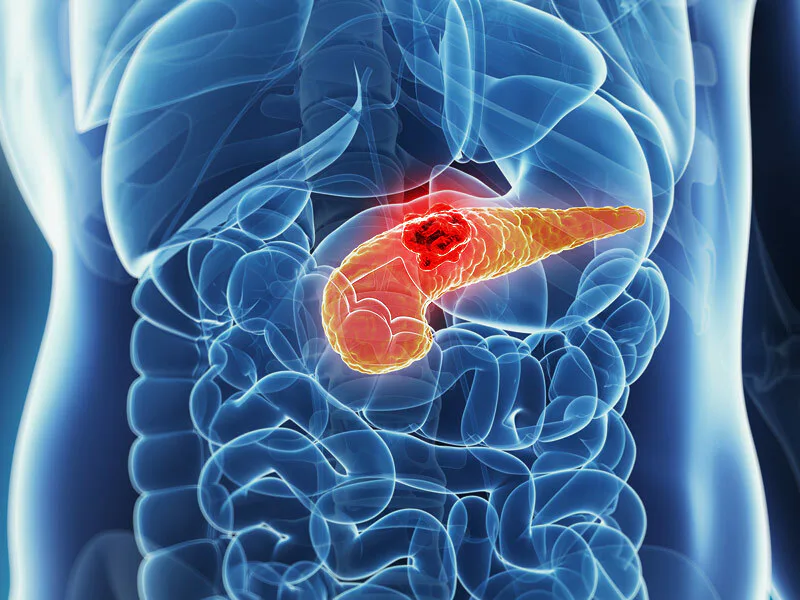
What Is Pancreatic Cancer and What Are Its Symptoms?
Pancreatic cancer is a type of cancer that begins in the cells of the pancreas and grows uncontrollably. Because it often presents no symptoms in the early stages, it can be difficult to diagnose. Symptoms of pancreatic cancer include abdominal pain, weight loss, jaundice, and loss of appetite. Regular checkups are recommended to prevent this condition. Treatment for pancreatic cancer varies depending on the stage of the disease and may include surgery, chemotherapy, or radiation therapy. Pancreatic cancer specialists in Ankara, especially experienced general surgeons like Prof. Dr. İlter Özer, offer patients the best treatment options. The question of what causes pancreatic cancer is frequently asked, and genetic, lifestyle, and environmental factors can play a role in its development. If you would like more information, please do not hesitate to contact our experts.
What is Pancreatic Cancer? Definition and Types
Pancreatic cancer is a malignant tumor that develops in the cells of the pancreas. The pancreas is an important organ that produces digestive enzymes and hormones. The most common type of pancreatic cancer is adenocarcinoma, which originates from the glands located on the outer side of the pancreas. Pancreatic cancer is often diagnosed in the late stages because its symptoms may not be apparent in the early stages. This increases the likelihood of the disease spreading and complicates treatment. Pancreatic cancer is often associated with risk factors such as excessive alcohol consumption, obesity, smoking, and genetic factors. Symptoms of pancreatic cancer include abdominal pain, weight loss, jaundice, and digestive problems. Early diagnosis plays a crucial role in the treatment process; therefore, it is important to consult a specialist when symptoms are noticed. Pancreatic cancer treatment in Ankara supports patients' treatment with specialist doctors and modern medical approaches.
Information About Pancreatic Cancer
The pancreas is an organ that plays a crucial role in our body, and pancreatic cancer is a serious disease that threatens its functions. Because pancreatic cancer often progresses without symptoms, most patients are diagnosed in advanced stages. What causes pancreatic cancer? The answer to this question is still not fully understood, but certain risk factors may play a role in the development of the disease. Genetic predisposition, smoking, excessive alcohol consumption, unhealthy diet, and obesity are significant factors affecting the treatment process for pancreatic cancer. Furthermore, specialists like the Ankara pancreatic doctor play a critical role in the diagnosis and treatment of the disease. Pancreatic cancer treatment options include surgery, chemotherapy, and radiation therapy. The treatment process varies depending on the patient's general health and the stage of the cancer. Pancreatic cancer surgery is generally the preferred method in advanced stages of the disease, and the experience of specialist doctors is crucial in this process. Expert doctors like Prof. Dr. İlter Özer guide patients through the treatment process and help them regain their health.
Pancreatic Cancer Symptoms: How to Identify Early?
Pancreatic cancer is a malignant tumor that forms in the pancreas. It usually develops insidiously and may not cause symptoms in the early stages. Therefore, pancreatic cancer symptoms often appear only after the disease has advanced. Identifying the early signs of the disease is crucial for treatment. In the early stages, patients often experience general symptoms such as vague abdominal pain, weight loss, loss of appetite, and digestive problems. Symptoms such as yellowing of the skin, darkening of the urine, and light-colored stools may also be observed. Because these symptoms can be associated with many other health problems, it is important to consult a specialist. In large cities like Ankara, early diagnosis and treatment options can be made more easily thanks to the presence of an Ankara pancreatic doctor and specialist physicians.
Pancreatic Cancer Symptoms and Diagnosis
Pancreatic cancer is usually diagnosed through a physical examination and imaging studies. Given the symptoms mentioned above, patients often consult specialists such as an Ankara general surgeon. During the diagnosis process, the condition of the pancreas is assessed using methods such as ultrasound, computed tomography (CT), or magnetic resonance imaging (MRI). Additionally, blood tests can be used to detect tumor markers. Early diagnosis of pancreatic cancer provides a significant advantage in the treatment process. Treatment options include surgery, chemotherapy, and radiation therapy. It is crucial to obtain a detailed expert opinion regarding pancreatic cancer treatment. It's important to remember that each patient's situation is unique; therefore, a personalized treatment plan must be developed.
What Causes Pancreatic Cancer? Risk Factors and Causes
Pancreatic cancer refers to the formation of malignant tumors in the pancreas. The pancreas is an important organ that produces digestive enzymes and hormones such as insulin. The exact cause of pancreatic cancer has not yet been fully determined, but certain risk factors are thought to play a role in the development of this disease. Factors such as genetic predisposition, smoking, obesity, diabetes, chronic pancreatic inflammation such as pancreatitis, and certain dietary habits are prominent in the answers to the question of what causes pancreatic cancer. Individuals with a family history of pancreatic cancer are particularly at higher risk of developing this disease. Furthermore, the risk of developing pancreatic cancer increases with age. Men have been observed to develop this disease at a higher rate than women. Smoking is considered one of the most significant factors that increases the risk of pancreatic cancer. Obesity, a high body fat percentage, and a sedentary lifestyle can also contribute to the development of this type of cancer. People with diabetes are at higher risk for developing pancreatic cancer. Research suggests a link between pancreatic cancer and diabetes. Furthermore, high alcohol consumption and processed food consumption can also contribute to the development of this disease. All of these factors can predispose individuals to the development of pancreatic cancer before they even show symptoms. Therefore, it is important to adopt a healthy lifestyle, have regular health checkups, and be aware of risk factors.
Pancreatic Cancer and Genetic Predisposition
Genetic factors play a significant role in the development of pancreatic cancer. Individuals with a family history of pancreatic cancer are more likely to develop the disease than others. Genetic mutations can play a role in the development of this type of cancer. For example, mutations in the BRCA2 gene are among the factors that increase the risk of pancreatic cancer. Furthermore, certain genetic syndromes, such as Lynch syndrome, are associated with pancreatic cancer. It is crucial for individuals with such genetic predispositions to have their health checked regularly and take the necessary precautions. Specialist doctors can assess the risks of these individuals and determine appropriate screening and monitoring methods. Doctors specializing in pancreatic cancer treatment in Ankara offer specialized programs for patients with a genetic predisposition, expediting early diagnosis and treatment. A healthy lifestyle and regular checkups can help prevent pancreatic cancer in individuals with a genetic predisposition before symptoms appear. A healthy diet and physical activity, in particular, can improve overall health and reduce cancer risk.
Pancreatic Cancer Treatment in Ankara: Specialist Doctors and Methods
Pancreatic cancer is a disease caused by cancerous cells that begin in the cells of the pancreas and grow uncontrollably. Because this disease often presents no symptoms in the early stages, diagnosis can be difficult. Ankara offers numerous specialist doctors and advanced methods for treating pancreatic cancer. General surgeons in this city are experienced in pancreatic cancer treatment and offer personalized treatment plans for their patients. Treatment options include surgery, chemotherapy, and radiation therapy. Symptoms of pancreatic cancer may include weight loss, jaundice, abdominal pain, and loss of appetite. When these symptoms are observed, it is important to consult a specialist without delay. Patients seeking a pancreatic doctor in Ankara can obtain the most accurate information by consulting with specialist physicians in their field. Early diagnosis increases the chance of success in pancreatic cancer treatment, so regular checkups are recommended.
Pancreatic Cancer Treatment Methods
The methods used in pancreatic cancer treatment vary depending on the stage of the disease and the patient's general health. Surgical intervention, known as pancreatic cancer surgery, can be an effective treatment option in the early stages of the disease. This surgery aims to completely remove the cancerous tissue. In addition, supportive treatment methods such as chemotherapy and radiotherapy are used in pancreatic cancer treatment. Chemotherapy helps stop the growth of cancer cells, while radiotherapy aims to target and destroy the cancerous cells. Expert doctors in their field, such as Prof. Dr. İlter Özer, are general surgeons in Ankara. When it comes to the question of what causes pancreatic cancer, genetic factors, lifestyle, and environmental factors all play a role in the development of this disease. Therefore, adopting a healthy lifestyle and attending regular doctor checkups are important steps in preventing the disease.
Pancreatic Cancer Surgery: Process and After
Pancreatic cancer is a type of cancer that is often diagnosed in late stages and is difficult to treat. Therefore, pancreatic cancer surgery plays a crucial role in the pancreatic cancer treatment process. The surgery varies depending on the tumor size, location, and the patient's overall health. During the surgery, the tumor-containing pancreatic tissue is removed, and surrounding lymph nodes may also be removed if necessary. After surgery, patients' recovery should be carefully monitored. During this process, issues such as diet, pain management, and potential complications are addressed. Additionally, rehabilitation programs and support services specifically designed for pancreatic cancer patients in Ankara are available. Post-operative follow-up is critical for patients to return to a healthy life. Regular checkups with an Ankara pancreatic doctor are recommended.
Pancreatic Cancer Surgery Process
The pancreatic cancer surgery process begins with a detailed evaluation. First, the patient's general health and the extent of cancer spread are assessed. During this stage, various imaging studies and tests such as biopsies are performed. If the patient is a suitable candidate for surgery, a treatment plan is developed in collaboration with the surgeon. Surgery in the treatment of pancreatic cancer generally yields more successful results when the disease is detected in its early stages, before symptoms appear. After the preoperative preparations are completed, the patient is taken to the operating room. During the surgery, the surgeon makes an incision in the abdomen to remove the tumor. After the surgery, patients are monitored in the intensive care unit. Here, the patient's recovery is closely monitored, and additional treatment methods are initiated if necessary. Experienced specialists like Prof. Dr. İlter Özer work to provide the best possible care to patients throughout this process, improving their chances of recovery. The postoperative period is crucial for ensuring patients' psychological and physical recovery.
Information About Pancreatic Cancer with Prof. Dr. İlter Özer
Pancreatic cancer is a rapidly progressive cancer that begins in the cells of the pancreas. The pancreas is an important organ that produces digestive enzymes and secretes hormones such as insulin. This type of cancer is often diagnosed in the late stages because it does not present any obvious symptoms in the early stages. Pancreatic cancer symptoms include abdominal pain, weight loss, loss of appetite, and jaundice. These symptoms become more pronounced as the disease progresses. If you experience such symptoms, it is important to consult a specialist. Ankara has many experts in pancreatic cancer treatment. One of these experts, Prof. Dr. İlter Özer, is a renowned pancreatic doctor in his field. A consultation with him is crucial for understanding the disease's course and determining the appropriate treatment options. Pancreatic cancer treatment generally involves surgery, chemotherapy, and radiotherapy. However, the patient's general health, the stage of the cancer, and other factors should also be considered during the treatment process. While the question of what causes pancreatic cancer remains unanswered, it is known that risk factors such as genetics, smoking, and obesity play a role.
Pancreatic Cancer Symptoms and Early Diagnosis
Early diagnosis is crucial in the treatment of pancreatic cancer. Because symptoms usually appear in the late stages, many patients are already in advanced stages of the disease by the time they are diagnosed. The most common symptoms of pancreatic cancer include abdominal pain, back pain, jaundice, itching, loss of appetite, and weight loss. These symptoms can vary depending on the location of the cancer and the patient's general health. Symptoms such as jaundice, yellowing of the skin and eyes, and light-colored stools may be caused by the pancreas pressing on the bile ducts. The answer to the question of what causes pancreatic cancer is not yet definitive. However, risk factors such as genetics, age, obesity, diabetes, and smoking play a significant role in the development of the disease. Therefore, it is recommended that people experiencing these symptoms consult with an Ankara general surgeon and undergo the necessary tests. Early diagnosis increases treatment options and improves the patient's quality of life. Pancreatic cancer treatment is generally performed with surgery, chemotherapy, or radiation therapy. Because each patient's condition is unique, treatment must be planned individually.
Acute and Chronic Inflammation of the Pancreas (Pancreatitis)
Acute inflammation of the pancreas occurs when pancreatic enzymes are activated in the pancreatic tissue and digest the pancreatic tissue, triggering an inflammatory reaction. In 80-90% of patients, this inflammation is limited to the pancreas and usually heals quickly with medical treatment (mild pancreatitis). However, in some patients, a severe inflammatory condition can occur in the pancreas and its surroundings, even in distant organs (severe pancreatitis). Severe pancreatitis can be life-threatening.
There are numerous factors that might lead to acute pancreatitis, but gallstones and alcohol use are the two main contributors. Nearly all patients report having excruciating stomach pain. Nausea and vomiting are also common symptoms . Blood tests and imaging techniques like computed tomography and ultrasonography are frequently used in diagnosis. Surgery or other invasive interventions should be avoided in acute pancreatitis unless there is an infection or abscess with necrosis (cell death) of the pancreatic tissue. Acute inflammation due to gallstones requires the removal of the gallbladder. However, removal of the gallbladder is usually delayed until about 6 weeks after pancreatitis has been treated with medication. The aim is to give time for the resolution of the inflammation due to pancreatitis.
Chronic pancreatitis is characterized by persistent inflammation and permanent loss of normal pancreatic tissue. The patient may experience chronic abdominal pain, digestive problems due to insufficient digestive enzymes, and endocrine problems (diabetes) due to lack of hormones (insulin) secreted from the pancreas.
Treatment of chronic pancreatitis is generally aimed at treating the patient's pain, poor digestion, and, if present, diabetes. Generally, surgery is not required. If the cause of the pain is the presence of stones or stenosis in the pancreatic duct, these conditions can be eliminated by endoscopic methods (ERCP). Endoscopic methods can also be used in bile duct obstructions. Surgery is typically necessary in cases of chronic pancreatitis when the patient experiences severe pain that does not subside with medication or endoscopic treatments, intestinal obstruction, or cancer suspicion. The decision of surgery is based on factors such as the patient's complaints and the width of the pancreatic duct.
Cystic Neoplasms (Cystic Tumors) of the Pancreas
Thanks to advances in imaging techniques, cystic tumors of the pancreas can be detected more frequently. There are different types, and these different types have different behaviors. The important thing is to perform differential diagnosis among these types. While follow-up is sufficient for some cystic tumors, others need surgery due to the possibility of cancer. Computed tomography (CT), magnetic resonance imaging (MRI), and endoscopic ultrasound (EUS) are used for diagnosis. Accurate diagnosis and treatment require an experienced team of surgeons, gastroenterologists, radiologists, and pathologists.
Pancreatic Cancer
Pancreatic cancer has a worse prognosis and is more difficult to treat than other tumors. Smoking is the most important risk factor in the development of pancreatic cancer. Smoking is thought to increase the risk of pancreatic cancer threefold. Some other known risk factors are chronic pancreatitis, diabetes, and obesity. There are also hereditary risk factors due to certain gene mutations.
Jaundice may be observed in tumors at the head of the pancreas due to bile duct compression. In such situation, jaundice may be the only symptom or may be accompanied by pain and weight loss. Tumors located in the body and tail of the pancreas may cause abdominal pain in the back and weight loss. Tumors in this region may be silent until the tumor grows and progresses into the surrounding tissues, which may cause delays in diagnosis.
CEA and CA 19.9 levels in blood tests are important in diagnostic studies. Computed tomography is the most important method in diagnosis and staging. In addition, endoscopic ultrasound, MRI, FDG-PET, ERCP, and MRCP can also be used when necessary.
The treatment of pancreatic cancer is surgery. During surgery, regional lymph nodes must also be removed (lymph node dissection). For body and tail tumors, a surgery called distal pancreatectomy is performed. In this surgery, the body and tail of the pancreas from the neck are removed together with the surrounding lymph nodes and spleen. For tumors located at the head of the pancreas, an operation called pancreaticoduodenectomy or Whipple Operation is performed. Regional lymph nodes should also be removed during this surgery. It is located just in front of the inferior vena cava. There are also main vessels of the intra-abdominal organs around the pancreas. Whether or not these vessels are involved can change the treatment plan. In such patients, chemotherapy is administered prior to surgery. After chemotherapy, surgical reevaluation can be done for curative intended resection.
What is Pancreaticoduodenectomy (Whipple Surgery)?
Whipple Procedure is one of the most difficult and risky operations in surgical practice. It is a surgical method applied in tumors of the pancreatic head and other periampullary tumors (duodenum, papilla, distal bile duct tumors). Along with the head of the pancreas, the duodenum (duodenum, common bile duct, gallbladder, the lower part of the stomach (in some cases it can be preserved), and a short segment of the small intestine are removed as a block. The regional lymph nodes around the main vessels must also be removed (lymph node dissection, lymphadenectomy). In cases where some of the main vessels around the pancreas are involved by the tumor, it is possible to remove and reconnect these main vessels. In some cases, synthetic vascular grafts can be placed. After the resection (removal of tumorous organs), the small intestine is connected to the pancreas, bile duct, and stomach (anastomosis).
Due to the presence of large vessels in this region and performance of at least three connections (anastomosis), Whipple Procedure is a challenging and risky operation. Various problems may occur during and after the operation. To minimize these problems, surgical skill and experience should be at a high level and postoperative care should be performed very carefully and meticulously. Surgical skill and experience are critical, especially in cases where unexpected additional problems arise during surgery or additional procedures such as vascular resection are required. It is acknowledged that one of the most crucial elements for both immediate outcomes and long-term survival is a surgical team with experience.
Endocrine (Hormone Secreting) Tumors of the Pancreas
In addition to being a gland that secretes digestive enzymes, the pancreas is also an endocrine organ that secretes various hormones. The most well-known of these hormones is insulin. These tumors are less common and have a better prognosis than cancers. The most common type is an insulin-secreting tumor called insulinoma. The second most common type is a gastrin-secreting tumor called gastrinoma (which increases stomach acid and causes ulcers). Symptoms, clinical behavior, and surgical treatment of these tumors differ. Treatment is decided according to the type of tumor.
Pancreatic Cancer Surgery Process
Pancreatic cancer is considered one of the most challenging types of cancer today, and surgical intervention is of paramount importance in its treatment. For patients seeking pancreatic cancer surgery in Ankara, the Whipple procedure is a frequently preferred method. This procedure involves removing the tumor as well as the surrounding tissues during pancreatic tumor surgery. Pancreatic surgery in Ankara is performed by expert physicians in the field. One prominent name is Prof. Dr. İlter Özer, who has extensive experience in pancreatic cancer treatment. However, the risks and complications of pancreatic surgery should also be considered, and patients should receive detailed information. Early diagnosis and correct treatment methods are crucial for a healthy life. You can contact our experts to get more information and guide your treatment process.
How is the Chance of Surgery Determined in Pancreatic Cancer?
Pancreatic cancer is a challenging disease, often diagnosed late. The chance of surgery varies depending on factors such as the stage of the disease, the size and location of the tumor. In Ankara pancreatic cancer surgery procedures, patients' conditions are evaluated in detail. First, imaging methods (CT, MRI) are used to determine the size and spread of the tumor. If the tumor has not spread outside the pancreas and there are no contraindications to surgery, the chances of successful surgical intervention are high. The patient's general health and age also influence the decision for surgery. In Ankara pancreatic surgery centers, detailed evaluations by specialist doctors create the most suitable treatment plan for patients. This process should also consider factors such as the patient's family history, existing health problems, and lifestyle. The decision for surgery is made through a multidisciplinary approach. Therefore, expert physicians like Prof. Dr. İlter Özer evaluate the patient's condition and offer the most appropriate treatment options. In addition to surgery, supplementary treatment methods such as chemotherapy and radiotherapy should also be considered in the treatment of pancreatic cancer. Rehabilitation and supportive treatment plans are also developed to improve the patient's quality of life in the post-operative period.
Treatment Options for Patients Unsuitable for Surgery
Some patients diagnosed with pancreatic cancer may not be suitable for surgical intervention. In this case, alternative methods for treating pancreatic cancer come into play. For patients who cannot undergo surgery, chemotherapy, radiotherapy, or targeted therapies are generally recommended. Chemotherapy is a drug treatment used to stop or regress tumor growth. Radiotherapy is a treatment method that uses high-energy rays to destroy cancer cells. Additionally, some patients may have the opportunity to participate in clinical trials. These treatment options are determined based on the patient's overall health and the characteristics of the tumor. Furthermore, supportive treatments aimed at pain management and improving quality of life are also important. Patients who are not suitable for pancreatic tumor surgery are encouraged to evaluate these treatment options to achieve the best possible results. Emotional and psychological support during this process will also improve patient compliance with treatment. In conclusion, the effective use of other treatment methods alongside surgery in the fight against pancreatic cancer is crucial for increasing patients' lifespans and quality of life.
Whipple Surgery: Which Patients Are Suitable?
Pancreatic cancer surgery in Ankara plays a significant role in the treatment of pancreatic cancer. Since pancreatic cancer is often diagnosed late, surgical interventions are critically important. Whipple surgery is the most common surgical method for removing tumors located in the head of the pancreas. However, this surgery may not be suitable for every patient. Factors such as the patient's general health, the stage of the tumor, and its location must be considered before the surgery can be performed. Whipple surgery is generally recommended when the tumor is removable and the patient's general health is suitable for surgery. It should be remembered that in addition to surgery, patients may also need additional treatment methods such as chemotherapy or radiotherapy in the treatment of pancreatic cancer. Therefore, a detailed evaluation by specialist physicians at pancreatic surgery centers in Ankara is of great importance.
Things to Consider During Pancreatic Tumor Surgery
One of the most important factors to consider during pancreatic tumor surgery is the location and size of the tumor. Is the tumor located in the head, body, or tail of the pancreas? This determines how the surgery will be performed. Furthermore, whether the tumor has spread to surrounding tissues is also an important factor influencing the decision to perform surgery. Risks of pancreatic surgery include complications such as bleeding, infection, and organ damage. Therefore, a detailed pre-operative assessment and accurate information about the patient's condition are critically important. Factors such as the patient's general health status, age, and other health problems should also be considered. In the post-operative period, rehabilitation processes and regular follow-ups are crucial, as they can affect the patients' quality of life. During this process, guidance from specialist physicians, especially experienced surgeons like Prof. Dr. İlter Özer, will help patients follow a healthier and more effective path in their treatment.
How is Surgical Planning Done According to Tumor Location?
Pancreatic cancer is generally known as a disease that is diagnosed late and requires intervention. For a successful pancreatic cancer surgery in Ankara, surgical planning according to the location of the tumor is extremely important. The pancreas plays a critical role in the body's digestive and hormonal balance. Therefore, the location of the tumor determines the type and scope of the surgery. Tumors located in the head, body, and tail of the pancreas may require different surgical approaches. Whipple surgery, in particular, is the most common surgical method for tumors located in the head of the pancreas. During this process, the condition of the surrounding tissues, as well as the tumor, must be considered. The surgeon determines the most appropriate surgical method by evaluating factors such as the size of the tumor, its spread, and the patient's overall health. Pancreatic surgery in Ankara centers is performed by experienced teams, aiming to achieve the best possible results for each individual patient. Furthermore, a detailed evaluation of patients before pancreatic tumor surgery reduces the risk of postoperative complications. The surgical process is a crucial stage that will affect the patient's quality of life in the long term.
How Does Life After Pancreatic Surgery Affect Life?
In the treatment process for pancreatic cancer, the risks of pancreatic surgery and the quality of life afterward are important issues for patients. After surgery, patients may experience some changes in their digestive system. This is because the pancreas plays a critical role in the production of digestive enzymes. The postoperative period may require patients to follow a specific diet. For example, the consumption of fatty and heavy foods may be limited. Also, some patients may need external enzyme supplementation due to a deficiency in digestive enzymes. Another challenge patients may face in the postoperative period is the emotional and psychological impact. Therefore, support groups and psychological counseling services play a significant role in the recovery process of patients. Expert doctors in their fields, such as Prof. Dr. İlter Özer, facilitate the recovery process by providing both physical and psychological support to their patients. Life after pancreatic surgery can vary depending on each patient's condition. However, with the right treatment and support, the quality of life for patients can be improved.
Treatment Approach for Borderline Pancreatic Tumors
Borderline pancreatic tumors are surgically removable, but they require careful evaluation due to certain risk factors and tumor characteristics. During pancreatic cancer surgery in Ankara, the location, size, and relationship of the tumors with surrounding tissues are analyzed. These types of tumors generally represent situations where surgery is possible but a definitive cure may not be achieved. Therefore, a multidisciplinary approach performed by expert physicians in Ankara pancreatic surgery centers is necessary. When creating a treatment plan, the patient's general health status and the characteristics of the tumor should be considered. Advanced surgical techniques such as the Whipple procedure may be a suitable option for borderline pancreatic tumors. However, an individual assessment should be made for each patient, and the benefits of surgical intervention should be carefully weighed. Furthermore, if the tumors are borderline, additional treatment options should also be considered. Emotional and physical support for patients is also important during this process.
Evaluation and Treatment Options for Pancreatic Tumors
Pancreatic tumors often do not show symptoms in the early stages, so diagnosis may be delayed. Determining suitable candidates for pancreatic tumor surgery depends on the size and location of the tumor and the patient's overall health. In the treatment of pancreatic cancer, surgery is usually the first choice. However, in cases where the tumor is borderline and surgery carries risks, alternative treatment methods may also be considered. For example, neoadjuvant treatments such as chemotherapy or radiotherapy can be used to reduce the size of the tumor after being applied before surgery. Patients can create the most appropriate treatment plan by working with experienced physicians like Prof. Dr. İlter Özer throughout the treatment process. Patients should be informed at every stage of the treatment process and included in the decision-making process. Therefore, the treatment approach for borderline pancreatic tumors is a complex process requiring multidisciplinary teamwork and individual patient assessment.
How Does Life Be Affected After Pancreatic Surgery?
Pancreatic cancer is a disease that is often diagnosed in late stages and is difficult to treat. The pancreatic cancer surgery process in Ankara can significantly affect the quality of life of patients. There are many changes that patients may experience in the post-operative period. Since the pancreas is an important part of the digestive system, complications such as digestive problems, weight loss, and diabetes may occur after surgery. Therefore, it is important for patients to review their post-operative eating habits and seek support from a dietitian if necessary. In addition, receiving psychological support can help patients feel better during this process. Regular doctor check-ups and follow-ups are also critically important in the post-operative period. These check-ups allow for the early detection of possible complications. In general, the goal of pancreatic cancer treatment is to improve the quality of life of patients.
Treatment Options for Patients Unsuitable for Surgery
Some patients diagnosed with pancreatic cancer may not be suitable for surgery due to the extent of tumor spread or their overall health. In such cases, pancreatic surgery specialists in Ankara evaluate alternative treatment methods. Systemic treatments such as chemotherapy and radiotherapy are frequently preferred methods for patients who cannot undergo surgery. These treatments can help stop or shrink tumor growth. Immunotherapies and targeted therapies are also among the options for some patients. The important thing is to create the most appropriate treatment plan, taking into account the patient's overall health condition. In this regard, contacting expert doctors like Prof. Dr. İlter Özer will provide patients with the most accurate information and guidance. Treatment processes for patients who cannot undergo surgery should be evaluated individually, and a patient-specific approach should be adopted.
Treatment Options for Patients Unsuitable for Surgery
Pancreatic cancer is a disease that often does not show symptoms in the early stages and is usually diagnosed late. Therefore, many patients may lose the chance to undergo surgery. Some patients who apply for pancreatic cancer surgery in Ankara may not be suitable for surgery due to the spread of their tumors or other health problems. For patients who cannot undergo surgery, treatment options include chemotherapy, radiotherapy, and targeted therapies. Chemotherapy is used to shrink tumor cells and slow the progression of the disease. Radiotherapy aims to target and destroy cancerous cells. In addition, surgical options such as Whipple surgery may be considered for some patients. However, factors such as the patient's general health and the location of the tumor must be taken into account. A multidisciplinary approach is crucial in the treatment of pancreatic cancer. Therefore, collaboration between oncologists, surgeons, and other specialists is necessary. Furthermore, psychological support and assistance from nutritionists are also important parts of the treatment process.
Risks of Pancreatic Surgery
Pancreatic surgery, especially when performed in large centers like Ankara, can yield highly successful results. However, as with any surgical procedure, pancreatic surgery carries some risks. Postoperative complications such as infection, bleeding, and digestive problems may occur. After pancreatic tumor surgery, some side effects affecting the quality of life of patients may occur. Therefore, it is important to inform patients in detail before and after the surgery. Expert physicians in their field, such as Prof. Dr. İlter Özer, play a major role in creating the most appropriate treatment plan according to the needs of patients during this process. For patients planning to be treated without surgery, it is important to consider these risks, evaluate alternative treatment methods, and discuss this in detail with their doctors. Support for the patient and their relatives throughout the treatment process can positively affect the recovery process.
Frequently Asked Questions
What is pancreatic cancer?
Pancreatic cancer is a disease caused by cancer cells that develop and multiply abnormally in the cells of the pancreas. The pancreas is a vital part of the digestive system and produces insulin and digestive enzymes. This type of cancer is often diagnosed in the late stages because early symptoms are mild and vague. Early diagnosis is crucial for treatment.
What are the symptoms of pancreatic cancer?
Symptoms of pancreatic cancer include abdominal pain, weight loss, loss of appetite, jaundice, and digestive problems. Some patients may also experience general symptoms such as back pain and fatigue. These symptoms can be confused with many other conditions, so they are important signs to consider. Regular checkups are recommended for early diagnosis.
What causes pancreatic cancer?
The exact causes of pancreatic cancer are not yet fully understood. However, factors such as genetic factors, age, obesity, smoking, and diabetes can increase the risk of the disease. It is important for those with a family history of pancreatic cancer to be more vigilant and have regular checkups. Adopting a healthy lifestyle can reduce the risk.
What is the treatment for pancreatic cancer?
Treatment for pancreatic cancer varies depending on the stage of the disease and the patient's overall health. Treatment options include surgery, chemotherapy, and radiation therapy. In the early stages, surgery is the most effective option, while in advanced stages, chemotherapy and supportive care become the primary treatment options. A personalized treatment plan should be developed with the guidance of specialist doctors.
How is pancreatic cancer treated in Ankara?
Pancreatic cancer treatment in Ankara is performed by specialist doctors at various hospitals and oncology centers. Experienced surgeons like Prof. Dr. İter Özer have high success rates in surgical interventions. Patients are monitored by a multidisciplinary team and guided towards the most appropriate treatment method. For early diagnosis and treatment, you can choose healthcare facilities in Ankara.
How is pancreatic cancer surgery performed?
Pancreatic cancer surgery can be performed using different techniques depending on the stage of the cancer. A Whipple procedure typically involves removing certain parts of the pancreas and surrounding tissue. Post-operative recovery depends on the patient's overall health. A detailed pre-operative evaluation and follow-up are crucial.
Which doctors should be consulted for pancreatic cancer?
For the diagnosis and treatment of pancreatic cancer, specialists such as general surgeons, oncologists, and gastroenterologists should be consulted. In Ankara, it is quite easy to find physicians specializing in pancreatic cancer. These doctors develop an appropriate treatment plan based on the disease's course and closely monitor patients' health conditions.
How can the risk of pancreatic cancer be reduced?
Embracing a healthy lifestyle is important to reduce the risk of pancreatic cancer. Regular exercise, a balanced diet, avoiding excessive alcohol consumption, and quitting smoking reduce these risks. Furthermore, regular health checkups can increase the chances of early diagnosis. It is important for those with a genetic predisposition to be more vigilant.
What are the latest research on pancreatic cancer?
Research on pancreatic cancer focuses on developing early diagnosis methods and improving treatment methods. New immunotherapies and targeted therapies are showing promising results in the treatment of the disease. Developments in this field aim to improve patients' quality of life and increase survival rates.
Where can I find more information about pancreatic cancer?
Reliable sources of information about pancreatic cancer include the Ministry of Health, oncology associations, and the websites of specialist doctors. You can also contact hospital oncology departments for professional support. Seminars and health events can also be helpful for gaining information. It's important to learn about early diagnosis and treatment.
What is pancreatic cancer surgery?
Pancreatic cancer surgery is a surgical procedure performed to remove cancerous tissue from the pancreas. This procedure generally varies depending on the stage and spread of the cancer. In Ankara, there are experienced surgeons who perform these types of surgeries. The recovery process after surgery varies depending on the treatment plan.
What is Whipple surgery?
Whipple surgery is a complex surgical procedure in which the head of the pancreas, a portion of the duodenum, and part of the gallbladder are removed. This surgery is usually performed for serious illnesses such as pancreatic cancer. The surgery is planned taking into account the patient's overall health and the extent of cancer spread.
What are the risks of Whipple surgery?
Whiple surgery, like any surgical procedure, carries some risks. These risks include infection, bleeding, digestive problems, and postoperative complications. However, these risks are minimized when performed by an experienced surgeon. It is important to discuss these issues in detail with your doctor before and after the surgery.
How is pancreatic tumor surgery performed?
Pancreatic tumor surgery varies depending on the size and location of the tumor and the patient's overall health. It is usually performed using laparotomy or laparoscopic methods. A detailed evaluation is performed before the surgery, and the most appropriate method for tumor removal is determined. There are surgeons specializing in this field in Ankara.
How is pancreatic cancer treated?
Pancreatic cancer treatment may include methods such as surgery, chemotherapy, and radiotherapy. The treatment process is individualized according to the stage of the cancer and the patient's condition. After surgery, patients are usually referred for additional treatment methods. Oncology centers in Ankara offer comprehensive support to patients during this process.
What is the recovery process like after pancreatic surgery?
The recovery process after pancreatic surgery varies from patient to patient. Generally, patients stay in the hospital for a few days and then continue to rest at home. Following the doctor's recommendations, regulating nutrition and physical activity are important during the recovery process. Many hospitals in Ankara guide their patients through this process.
Which hospitals in Ankara perform pancreatic surgery?
Pancreatic surgery is performed in many private and public hospitals in Ankara. These hospitals offer high-quality healthcare services with experienced surgeons and modern medical equipment. It would be beneficial for patients to research the hospitals' areas of expertise before planning surgery.
Who is Prof. Dr. İlter Özer?
Prof. Dr. Dr. İlter Özer is a physician specializing in pancreatic surgery. Having performed numerous successful pancreatic surgeries in Ankara, Dr. Özer offers his patients the most up-to-date treatment methods. His experience and knowledge provide a significant source of confidence for patients throughout their treatment process.
What complications can occur after pancreatic surgery?
Some complications can arise after pancreatic surgery. These include digestive problems, the development of diabetes, and increased risk of infection. In the post-operative period, it is important for patients to attend regular doctor check-ups, keeping these complications in mind, and to report any symptoms.
How is pancreatic cancer diagnosed?
Pancreatic cancer is usually diagnosed using imaging methods such as ultrasound, CT scan, or MRI. Additional tests such as blood tests and biopsies may also be used. Early diagnosis increases the success rate of the treatment process, so it is important to consult a specialist immediately if symptoms appear