

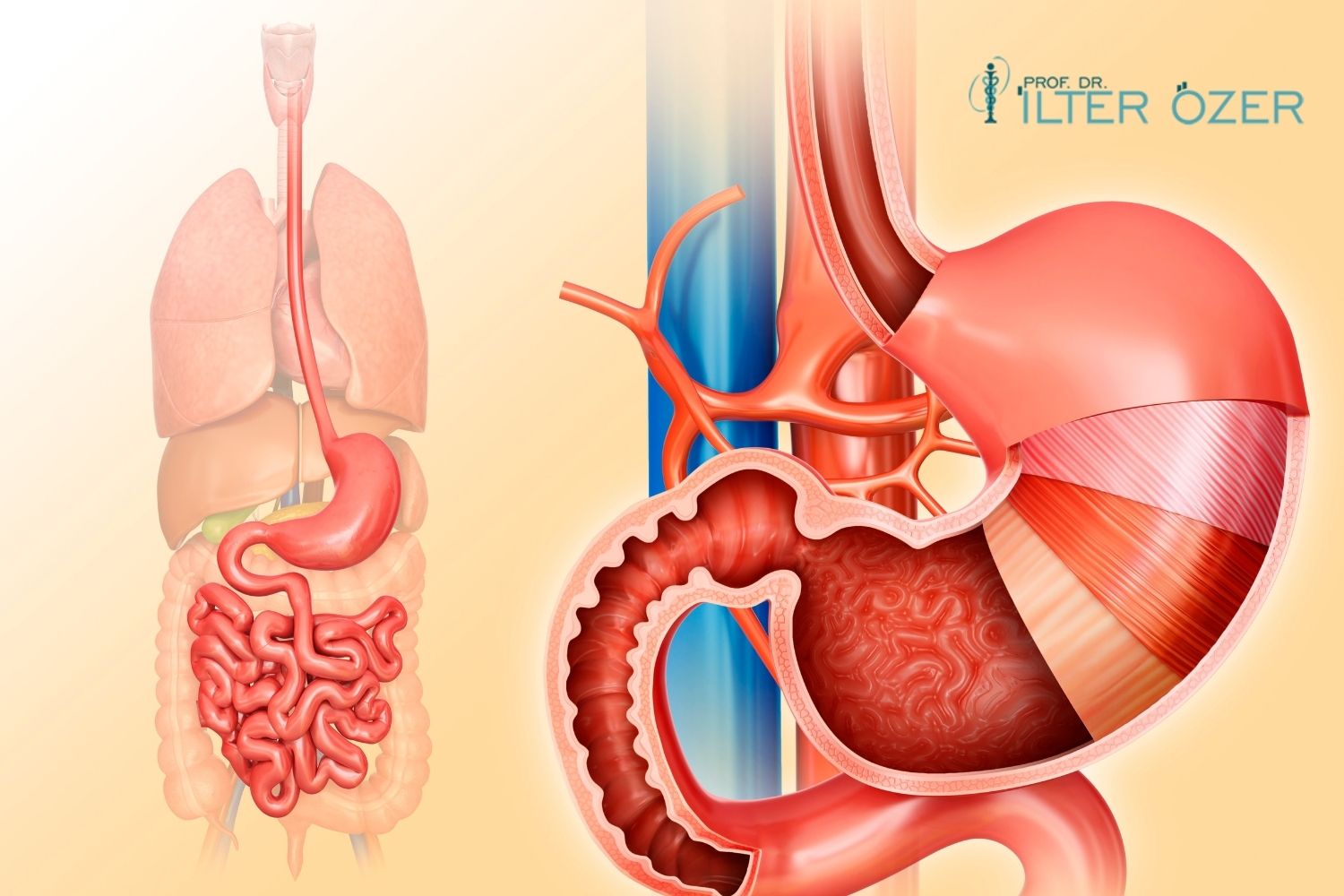
Although stomach cancer initially begins in cells within the stomach, it carries the risk of spreading to different parts of the body as the disease progresses. Metastasis of stomach cancer usually manifests itself through liver metastasis, lymph node involvement, and peritoneal spread. The liver is one of the organs to which stomach cancer most commonly spreads, and metastatic cancer is crucial for staging the disease. Distant organ spread can also be observed as the disease progresses.
Stomach cancer staging plays a critical role in determining treatment options. Therefore, early diagnosis and regular checkups can positively impact the course of the disease. Don't neglect regular doctor visits to protect your health.
Which Organs Does Stomach Cancer Most Commonly Spread?
Stomach cancer metastasis tends to spread to different parts of the body as the disease progresses. This spread usually occurs when cancer cells move through the body through the blood or lymph. Metastasis of stomach cancer most commonly spreads to the liver, lymph nodes, and peritoneum (the lining of the abdomen). The liver is one of the organs most frequently targeted by cancer cells because blood flow between the stomach and this organ is quite intense.
Furthermore, liver metastases manifest with symptoms that can significantly impact patients' quality of life. Lymph node involvement is also common; this is considered a significant indicator of the extent of cancer spread. Peritoneal spread is also a significant risk factor, as it can affect all organs within the abdomen and worsen the course of the disease. For all these reasons, the staging process for stomach cancer is a critical step in determining the extent of disease spread and treatment options.
Treatment Methods for Metastatic Spread
Treatment methods for metastatic spread vary depending on the extent of tumor spread and the patient's general health. In the case of stomach cancer metastases, surgery, chemotherapy, or radiation therapy are often used. Surgery may be the preferred method for removing the tumors, especially in the case of liver metastases. However, in cases where tumors are numerous and scattered, the benefit of surgery may be limited.
Chemotherapy is a form of treatment using drugs to kill cancer cells or stop their growth. This treatment is frequently used to control the spread of the disease. Radiotherapy, on the other hand, is an effective method by targeting tumors, especially in cancers that have spread locally. In cases of spread to the lymph nodes and peritoneal spread, these treatment methods are combined to control the disease.
Consequently, stomach cancer staging and metastatic spread play an important role in developing a treatment plan and should be meticulously evaluated to improve patients' quality of life.
What are the Symptoms of Liver Metastasis?
Stomach cancer metastasis is the spread of cancer from its initial location to distant organs and usually occurs as the disease progresses. Stomach cancer is a type of cancer that has the potential to spread to other parts of the body. This spread usually occurs in the form of liver metastasis, lymph node involvement, and peritoneal spread. Symptoms of liver metastasis can include general symptoms such as loss of appetite, weight loss, abdominal pain, jaundice, and fatigue.
These symptoms may vary depending on the course of the disease and the body's overall condition. Because the liver is the body's largest internal organ, the spread of stomach cancer to this organ can lead to serious health problems. Therefore, it is important for patients diagnosed with stomach cancer to be regularly monitored with liver function tests and imaging studies. Early diagnosis increases the success of treatment and improves the patient's quality of life.
The extent of stomach cancer spread also plays a crucial role in treatment planning. Patients with metastatic disease are generally treated with a multidisciplinary approach.
Stomach Cancer Metastasis and Symptoms
Stomach cancer metastasis refers to the spread of cancer cells to organs other than the stomach. The most common organs to which stomach cancer spreads include the liver, lungs, and lymph nodes. Patients with liver metastasis may experience various symptoms depending on the size and number of tumors in the liver. These symptoms vary depending on the extent of the disease and the individual's overall health.
For example, some patients may experience jaundice, while others may experience abdominal swelling or pain. Loss of appetite and weight loss are also common symptoms. Lymph node involvement can be a significant symptom during the spread of stomach cancer. Patients may often experience swelling or pain in the lymph nodes. Peritoneal spread is also one of the ways stomach cancer spreads, indicating the presence of cancer cells in the peritoneum. Such metastases can complicate treatment and require symptom management.
Therefore, regular follow-up and monitoring are crucial for patients diagnosed with stomach cancer.
Spread to Lymph Nodes
Stomach cancer metastases tend to spread to many different organs as the disease progresses. Lymph node involvement, in particular, is one of the most common routes of metastasis for stomach cancer. In the early stages of stomach cancer, cancer cells can spread rapidly throughout the body through the lymphatic system. Because lymph nodes are a crucial part of the immune system, cancer cells can harbor and grow there.
This process is usually identified during disease staging and may require surgical intervention. The status of the lymph nodes plays a critical role in the staging process of stomach cancer. If cancer cells reach these nodes, the disease can progress more rapidly and treatment options can become limited. Therefore, the status of the lymph nodes is an important factor to consider in treatment planning. This condition, which affects the overall health of patients, should be meticulously evaluated by oncologists.
The Relationship Between Lymph Nodes and Gastric Cancer
Lymph node involvement is a decisive factor in the process of stomach cancer metastasis. As stomach cancer cells travel through the lymphatic system, they first reach neighboring lymph nodes. At this stage, the extent of the disease's spread and which lymph nodes are affected are critical for staging the disease. Lymph nodes are considered a key indicator affecting the cancer's spread and treatment options.
For example, if stomach cancer cells reach the lymph nodes before metastasizing to the liver or other organs, this can negatively impact the prognosis. Furthermore, metastasis to the lymph nodes may require more aggressive treatment approaches. Therefore, patients should be regularly examined and, if necessary, their lymph nodes monitored with imaging studies. In the treatment of stomach cancer, the status of the lymph nodes plays a vital role in surgical planning and additional treatment options.
The Importance of Spread to the Peritoneum
Stomach cancer metastasis plays a critical role in the progression of the disease. Because stomach cancer is generally asymptomatic in its early stages, diagnosis is often made late. At this stage, stomach cancer metastasis often spreads to the peritoneum, lymph nodes, liver, and other distant organs. Peritoneal spread refers to the infiltration of cancer cells into the peritoneal tissue, which has a significant impact on the course of the disease.
In patients with peritoneal spread, the rate of cancer spread increases, making treatment more complex. Therefore, detecting and monitoring peritoneal spread is an important part of the stomach cancer staging process. Peritoneal spread is a factor affecting the overall prognosis of the disease, and its presence can also limit treatment options. Individuals diagnosed with stomach cancer are recommended to undergo regular follow-up and evaluation, taking into account the possibility of peritoneal spread.
Symptoms and Diagnosis of Peritoneal Spread
Peritoneal spread can present with some signs and symptoms associated with stomach cancer metastasis. These symptoms include abdominal pain, bloating, digestive issues, and weight loss. However, patients often perceive these symptoms as mild and may not recognize them until later. During the diagnostic process, doctors typically use imaging techniques such as ultrasound, computed tomography (CT), or magnetic resonance imaging (MRI) to assess peritoneal spread. Additionally, invasive procedures such as laparoscopy can be used to confirm the presence of cancer cells.
Because early diagnosis is crucial for treatment, regular follow-up examinations for patients diagnosed with stomach cancer are crucial for early detection of peritoneal spread. At every stage of this process, patients should collaborate with their doctors to develop the most appropriate treatment plan. It's important to remember that other types of metastasis, such as liver metastasis, lymph node involvement, and distant organ metastasis, can also affect the course of the disease, and therefore, a multidisciplinary approach is necessary.
Is Lung and Bone Metastasis Possible?
Gastric cancer is usually diagnosed in advanced stages, and gastric cancer metastasis can occur at this stage. The spread of gastric cancer throughout the body significantly impacts the course of the disease and treatment options. While gastric cancer most often spreads to the liver and lymph nodes, it can also metastasize to distant organs. The lungs and bones, in particular, are among the potential sites of metastasis for gastric cancer.
Significant symptoms of metastasis can include pain, shortness of breath, and deterioration in general health. These symptoms can affect the patient's quality of life and complicate the treatment process. It is important for patients diagnosed with gastric cancer to be vigilant against these types of metastasis and undergo regular checkups. Early diagnosis can greatly facilitate treatment and prolong patients' survival.
Treatment Methods for Metastatic Spread
In cases of gastric cancer metastasis, treatment methods vary depending on the patient's general health, the location of the metastasis, and the extent of its spread. Surgery can be effective in cases where the metastasis is limited, while systemic treatment methods such as chemotherapy and radiotherapy are more prominent in more widespread cases. Furthermore, targeted therapies and immunotherapies have gained significant importance in recent years.
These treatment methods aim to stop or slow the growth of cancer cells and improve patients' quality of life. Adopting a multidisciplinary approach to treatment requires collaboration between oncologists, surgeons, and other healthcare professionals. Because each patient's situation is unique, a personalized treatment plan should be developed. This allows for the most effective outcomes in the case of gastric cancer metastasis.
It is also important for patients to receive psychological support during the treatment process, as cancer treatment is both physically and emotionally challenging.
Treatment Methods for Metastatic Spread
Stomach cancer metastasis refers to the process of spreading the disease to other parts of the body as the disease progresses. This process is often directly related to the staging of the disease. Stomach cancer staging is determined by the tumor's size, lymph node involvement, and whether it has spread to distant organs. While the disease is easier to treat in the early stages, treatment options become limited in later stages. Treatment methods include surgery, chemotherapy, radiotherapy, and targeted therapy.
Liver metastasis is one of the most common conditions, and symptoms such as liver enlargement, abdominal pain, and weight loss can occur. Furthermore, the extent of spread to the lymph nodes plays a significant role, as it indicates the disease has spread. Spread to the peritoneum (abdominal membrane) generally indicates advanced disease and should be considered during treatment. In addition to all these factors, distant organ spread can also complicate the treatment process. Therefore, patient treatment plans should be personalized.
Treatment Methods Used in Stomach Cancer Metastasis
In the case of stomach cancer metastasis, treatment methods can vary depending on factors such as the patient's general health, the location of the metastasis, and its extent. Surgical intervention aims to completely remove the tumor and metastases, if possible. However, in cases where metastasis is widespread, the effectiveness of surgery may be limited. In such cases, systemic treatment methods such as chemotherapy and radiotherapy come into play.
Chemotherapy is a combination of drugs used to inhibit the growth and proliferation of cancer cells. Radiotherapy, on the other hand, targets cancer cells using high-energy beams. Furthermore, targeted therapy methods have become widespread in recent years. These treatment methods aim to achieve more effective results by targeting specific characteristics of cancer cells. Supportive care is also important during the patient's treatment process. This includes elements such as pain management, nutritional support, and psychological support.
Collaboration with doctors at every stage of the treatment process can increase patients' chances of recovery. Early diagnosis and appropriate treatment methods play a vital role in combating stomach cancer metastasis.
Frequently Asked Questions
What is stomach cancer metastasis?
Stomach cancer metastasis is the spread of cancer cells to other organs outside the stomach. This process occurs when tumor cells travel through the blood or lymph vessels throughout the body and settle in other organs. Metastasis alters the course of the disease and can affect treatment options. Early diagnosis is crucial for the treatment process.
To which organs does stomach cancer metastasize?
Stomach cancer typically metastasizes to the liver, lungs, and lymph nodes. Liver metastasis is one of the most common sites of spread for stomach cancer. Peritoneal spread is also common. Distant organ spread varies depending on the stage of the cancer. Detecting metastasis is critical for disease management.
How is liver metastasis detected?
Liver metastasis is usually detected with imaging tests, such as ultrasound, computed tomography (CT), or magnetic resonance imaging (MRI). These tests reveal tumors or lesions in the liver. Blood tests are also used to assess liver function. Early diagnosis increases treatment options.
What does lymph node involvement mean in stomach cancer?
Lymph node involvement is the spread of stomach cancer through the lymphatic system. This indicates how far the cancer has spread in the body. If lymph node involvement is present, treatment can become more complex. Therefore, lymph node status plays a critical role in stomach cancer staging and helps determine treatment plans.
What is peritoneal spread?
Peritoneal spread is the spread of stomach cancer to the peritoneal membrane in the abdominal cavity. This occurs as the cancer progresses and is usually seen in the advanced stages of the disease. Peritoneal spread is a factor that complicates stomach cancer treatment. Treatment methods such as surgery and chemotherapy can help control this spread.
How is stomach cancer staging performed?
Stomach cancer staging is a process used to determine the extent of disease spread. It is generally based on the T (tumor size), N (lymph node status), and M (presence of metastases) system. This information helps determine the course of the disease and select appropriate treatment methods. Stomach cancer detected in the early stages provides better treatment outcomes.
Can stomach cancer metastases be treated?
Stomach cancer metastasis is treatable, but treatment options vary depending on the location of the metastasis and the patient's overall health. Surgery, chemotherapy, and targeted therapy may be used. Early diagnosis increases the chance of cure. A multidisciplinary approach is important for achieving the best results.
What symptoms are observed with stomach cancer metastasis?
Symptoms of stomach cancer metastasis vary depending on the location of the spread. Generally, symptoms include weight loss, loss of appetite, abdominal pain, and indigestion. Jaundice may also occur in cases of liver metastasis, and swelling may occur in cases of lymph node involvement. These symptoms become more pronounced as the disease progresses.
How does stomach cancer metastasis affect quality of life?
Stomach cancer metastasis can significantly impact quality of life. Patients can face a challenging time due to physical symptoms, psychological stress, and treatment. Supportive treatment and psychological support can help patients better manage this process. Regular checkups and communication with their physician improve quality of life.
How is recovery after stomach cancer metastasis managed?
The recovery process after stomach cancer metastasis varies from person to person. Nutrition, physical activity, and psychological support are important throughout the treatment process. Constant communication with patients' doctors helps them update their treatment plan. Support from family and friends provides motivation throughout the recovery process.