

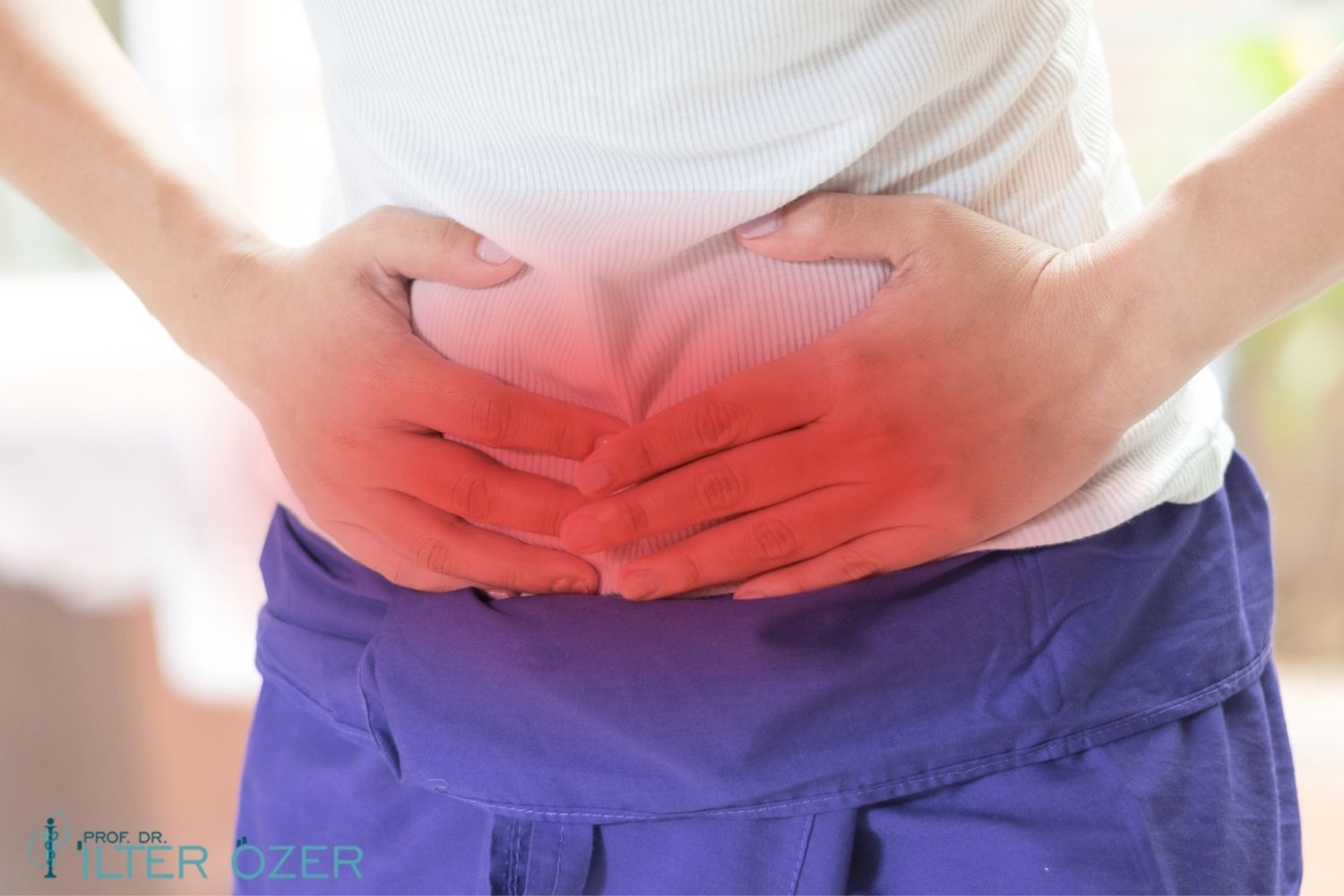
A hiatal hernia is a condition in which the upper part of the stomach protrudes through the diaphragm into the chest cavity. This condition is often called a hiatal hernia and can trigger symptoms such as reflux in many people. Symptoms of a hiatal hernia include heartburn, difficulty swallowing, and heartburn. Treatment options range from lifestyle changes to medication and, in some cases, surgery such as fundoplication. Laparoscopic surgery is a frequently preferred method for treating a hiatal hernia.
PPI medications can be effective in alleviating symptoms. If you have a hiatal hernia, be sure to consult a specialist for a suitable treatment plan.
Medication Management: PPI and Antacid Use
The question "what is a hiatal hernia?" is a common concern for many people regarding a hiatal hernia, a health problem that affects their quality of life. Also known as a hiatal hernia, this condition is the protrusion of the upper part of the stomach through the diaphragm. This condition is often associated with reflux problems, causing stomach acid to reflux back into the esophagus. Hiatal hernia symptoms include heartburn, difficulty swallowing, and heartburn.
Various treatment methods are available to manage these symptoms. Medication is one such method, usually involving proton pump inhibitors (PPIs) and antacids. Proton pump inhibitors reduce stomach acid production, relieving symptoms and helping the stomach heal. Antacids, on the other hand, provide immediate relief by neutralizing existing stomach acid. Regular use of these medications can improve patients' quality of life and reduce the severity of symptoms.
However, the effectiveness of medication should be evaluated in conjunction with the patient's general health and other established methods for treating hiatal hernias. Consequently, hiatal hernia management should be tailored to individual needs and should be followed in accordance with a doctor's recommendations.
The Effect and Importance of Medication
Understanding what a hiatal hernia is is an important step in managing the condition. Hiatal hernias affect quality of life and require effective treatment methods to manage their symptoms. The use of PIs and antacids plays a significant role in managing hiatal hernia symptoms. These medications are frequently recommended to reduce the severity of conditions such as reflux. Symptoms such as heartburn and difficulty swallowing can negatively impact patients' daily lives.
Therefore, it is quite common to seek medication to alleviate these symptoms. Furthermore, lifestyle changes and dietary recommendations, along with the use of these medications, contribute to improving patients' conditions. However, for these treatment methods to be effective, a thorough assessment of individual health conditions is necessary. During the hiatal hernia treatment process, it is important for patients to have regular checkups with a doctor and adhere to the treatment plan.
This allows for the management of the condition without the need for more advanced treatment methods such as reflux surgery. Consequently, medication plays a significant role in improving the quality of life for hiatal hernia patients.
Lifestyle Changes and Diet Recommendations
The question of what a hiatal hernia is increases the desire to learn about a hiatal hernia, a health problem faced by many people. A hiatal hernia is a condition in which the stomach protrudes upward through the opening (hiatus) in the diaphragm, which can cause some distressing symptoms. Symptoms such as reflux, heartburn, and difficulty swallowing can negatively impact patients' quality of life.
Therefore, lifestyle changes and appropriate dietary recommendations are crucial for managing the symptoms of a hiatal hernia. Avoiding fatty and spicy foods, reducing acidic beverages, and consuming smaller meals can be particularly beneficial for individuals with a hiatal hernia. Furthermore, avoiding eating before bed and adjusting sleeping posture can also help reduce symptoms. Furthermore, weight control and regular exercise can reduce the risk of a hiatal hernia.
In this context, adopting a healthy lifestyle contributes to both the hiatal hernia treatment process and improves overall health.
Nutrition Recommendations
Eating habits are an important part of the treatment process for individuals with a hiatal hernia. When seeking an answer to the question of what a hiatal hernia is, nutritional recommendations that can be implemented to alleviate the symptoms of this condition should also be considered. For example, fiber-rich foods such as fruits, vegetables, and whole grains can help regulate the digestive system. However, it is recommended to avoid acidic foods and beverages, as they can increase stomach acid.
Furthermore, eating slowly and chewing food thoroughly facilitates digestion. Avoiding high-fat and spicy meals is important to prevent the symptoms of a hiatal hernia. Lighter, more easily digestible foods should be preferred, especially for dinner. Furthermore, some individuals may have lactose or gluten intolerance, so consumption of these foods should be carefully monitored. Reducing caffeinated beverages and alcohol intake is another recommended dietary change.
Consequently, adopting healthy eating habits during the hiatal hernia treatment process will help improve patients' overall health and quality of life.
Surgical Options: Nissen Fundoplication
The question "what is a hiatal hernia?" helps understand a health problem many people face. A hiatal hernia is a condition in which the stomach protrudes upward through the diaphragm. This condition often causes digestive problems such as reflux. Symptoms of a hiatal hernia include heartburn, difficulty swallowing, and stomach discomfort. These symptoms can negatively impact patients' quality of life. If these symptoms recur frequently, it is important to consult a doctor. Treatment options include medication and surgery.
Medications are typically managed with proton pump inhibitors (PPIs) and antacids. However, surgical options may be more appropriate for some patients. Nissen Fundoplication is one of the most common surgical procedures for treating a hiatal hernia. This procedure rotates the stomach upward, correcting the hernia and preventing stomach acid from refluxing into the esophagus. This provides significant relief from reflux symptoms. Regular postoperative follow-up and the establishment of appropriate dietary habits are also crucial.
Why is Nissen Fundoplication Preferred?
Nissen Fundoplication is a preferred surgical method for treating hiatal hernias because it offers a permanent solution for many patients. This procedure is usually performed laparoscopically, which speeds up the patient's recovery. During surgery, the upper part of the stomach is wrapped around the diaphragm, creating a valve. This valve prevents stomach acid from refluxing into the esophagus, effectively managing heartburn and other symptoms of a hiatal hernia.
The advantages of surgery include less pain, shorter hospital stays, and a faster recovery time. While this procedure is effective for many patients, every surgery carries its own risks. Before surgery, patients should have a thorough evaluation with their doctor to determine if surgery is suitable for them. Post-operative follow-up is important for patients to maintain a healthy lifestyle. Reviewing their eating habits and lifestyle changes can increase treatment success.
Therefore, it is recommended that both surgical and non-surgical methods be considered in the hiatal hernia treatment process.
Advantages of Laparoscopic Surgery
The question of what a hiatal hernia is is a topic that many people wonder about and is closely related to health problems. A hiatal hernia is a condition in which the stomach displaces upward through the diaphragm. This condition, often called a hiatal hernia, can allow stomach acid to leak into the esophagus, causing uncomfortable symptoms such as reflux. Symptoms of a hiatal hernia include heartburn, difficulty swallowing, and stomach pain.
These symptoms can reduce the quality of daily life and may require treatment. Hiatal hernia treatment generally involves medication, lifestyle changes, and surgery. Among the advantages of laparoscopic surgery are the rapid recovery and less pain it provides. The greatest advantage of laparoscopic surgery is its minimally invasive approach, allowing patients to return to their normal lives more quickly. Furthermore, patients generally experience less blood loss and shorter hospital stays with this surgical method.
Laparoscopic surgery, performed using techniques such as fundoplication, allows for the effective treatment of a hiatal hernia. Consequently, these advantages of laparoscopic surgery improve patients' quality of life and simplify the treatment process.
Hiatal Hernia Treatment Methods
The answer to the question of what a hiatal hernia is should be understood together with its symptoms and treatment methods. A hiatal hernia is often managed with medication. Proton pump inhibitors (PPIs) and antacids are often used in medical treatment. These medications reduce stomach acid production, alleviating reflux symptoms. However, for some patients, medication may be insufficient, and surgery may be necessary. Lifestyle changes and dietary recommendations also play a significant role in the treatment process.
Habits such as avoiding heavy meals, eating small, frequent meals, and avoiding alcohol and smoking can alleviate hiatal hernia symptoms. The necessity of surgery depends on the patient's general health and the severity of the hiatal hernia. Surgical techniques such as Nissen fundoplication aim to permanently correct a hiatal hernia. Laparoscopic surgery, however, allows for less invasive procedures. Post-operative follow-up and nutrition are also crucial; a healthy diet during recovery reduces the risk of complications and improves quality of life.
Who Are Candidates for Surgery
The question of what a hiatal hernia is has become a frequently asked question among many health concerns. A hiatal hernia is a condition medically known as a hiatal hernia. The stomach slips into the chest cavity above the diaphragm, causing a variety of symptoms. This condition can trigger problems such as severe reflux and heartburn. Symptoms of a hiatal hernia typically include difficulty swallowing, heartburn, and persistent discomfort.
The decision to undergo surgery is based on the severity of the patient's symptoms, their quality of life, and their response to other treatment options. Surgical candidates are often individuals experiencing severe symptoms that negatively impact their quality of life. These patients have previously tried medical treatments without success. Surgery is considered a last resort for treating a hiatal hernia, and surgical procedures such as fundoplication are often used.
Therefore, it is crucial to consult with a surgeon and evaluate appropriate treatment options.
Requirements for Hiatal Hernia Surgery
Surgery can offer an effective solution, especially for patients with a hiatal hernia. However, it may not be suitable for every patient. Surgical candidates are often individuals who struggle to manage their symptoms and find it disruptive to their daily lives. First of all, patients must meet certain criteria for surgical interventions such as reflux surgery. For example, the patient's general health and age must be taken into consideration before minimally invasive techniques such as laparoscopic surgery can be used.
Previous treatment methods should also be considered. Symptoms that cannot be managed with medications such as PPIs (proton pump inhibitors) and antacids may increase the need for surgical intervention. Postoperatively, it is important for patients to change their eating habits and reassess their lifestyle. Therefore, candidates for surgery should conduct a thorough evaluation with their surgeon and take an active role in every phase of the treatment process.
Post-Operative Follow-Up and Nutrition
A hiatal hernia, especially the answer to the question of what a hiatal hernia is, is a significant health problem that affects the quality of life for many people. Symptoms of a hiatal hernia include heartburn, difficulty swallowing, and reflux. This condition can often require surgical intervention. The post-operative period is critical to ensuring a healthy recovery. After surgery, patients are generally advised to monitor their diet, avoid certain foods, and attend regular checkups.
While consuming liquids is recommended in the first days after surgery, solid foods should be gradually transitioned to a more balanced diet. Lifestyle changes are also crucial after hiatal hernia treatment to minimize symptoms such as reflux. For example, it's recommended not to lie down immediately after meals, avoid heavy meals, and reduce alcohol and caffeine intake. Additionally, weight control and regular exercise can also help manage hiatal hernia-related issues.
All of these steps play a crucial role in the patient's recovery process.
Post-Surgery Follow-Up
Post-surgery follow-up is a critical phase for patients undergoing hiatal hernia surgery. During this period, patients should maintain regular contact with their doctor and schedule all recommended check-ups. It's important to remember that some side effects may occur for a certain period after surgery. These side effects may include nausea, mild pain, and digestive issues. These symptoms are usually temporary, but if a severe condition occurs, a specialist should be consulted.
Additionally, it is crucial for patients to monitor their diet and develop appropriate eating habits to prevent recurrence of conditions such as reflux. After surgery, patients may need to make some lifestyle changes to maximize the benefits of surgical techniques like fundoplication. These changes should include a healthy diet, regular physical activity, and stress management. Modern techniques like laparoscopic surgery help patients recover faster and experience fewer complications.
Therefore, it is crucial for patients to take all necessary steps to ensure their well-being during the postoperative period.