

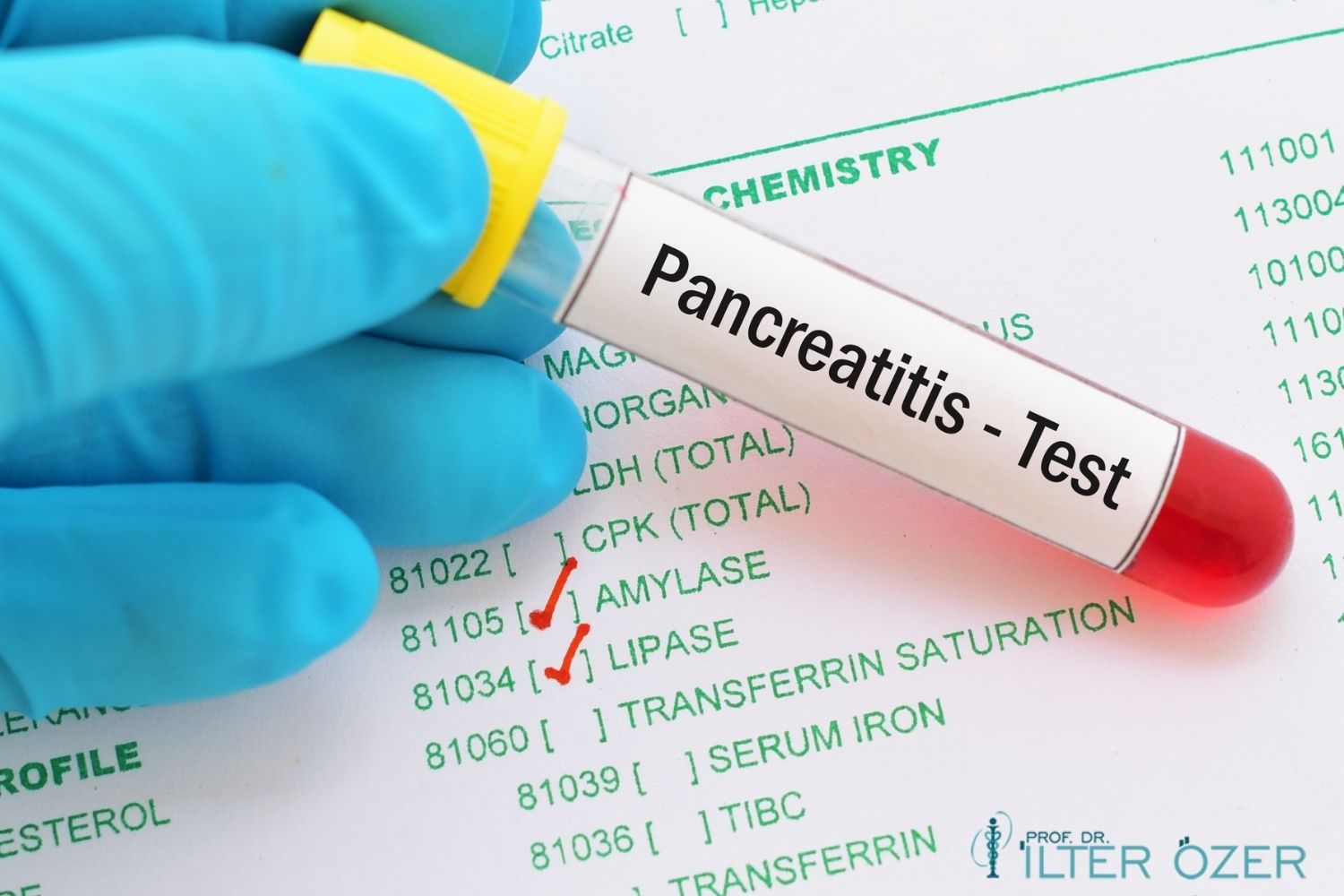
Pancreatitis, commonly known as pancreatitis, is inflammation of the pancreas. Acute pancreatitis manifests with symptoms such as sudden onset and severe abdominal pain, nausea, and vomiting. This condition is often caused by gallstones or excessive alcohol consumption. Symptoms of pancreatitis include severe abdominal pain, back pain, high fever, and rapidly progressing digestive problems. Treatment for acute pancreatitis involves hospital monitoring, fluid therapy, and, if necessary, surgery, depending on the patient's condition. Pay attention to your pancreatic health; adopting a healthy lifestyle can help prevent such complications.
What is Acute Pancreatitis and How Does It Begin?
Pancreatitis is inflammation of the pancreas and generally occurs in two main forms: acute and chronic. Acute pancreatitis has a sudden onset and usually resolves within a few days. Because the pancreas is an organ that produces digestive enzymes and hormones, it can lead to very serious health problems. Acute pancreatitis usually manifests with symptoms such as abdominal pain, nausea, vomiting, and fever. The disease often begins with triggers such as gallstones or excessive alcohol consumption. Pancreatitis can affect a patient's quality of life and, if left untreated, can lead to life-threatening complications. During acute pancreatitis, a patient's health can deteriorate rapidly, so early diagnosis and treatment are crucial. Symptoms often begin suddenly, and patients may require immediate medical attention. Pancreatic dysfunction can affect the digestive system's efficiency, negatively impacting nutrient absorption. Because acute pancreatitis poses a threat to the patient's overall health, it is crucial to take the necessary precautions and implement appropriate treatment methods.
Causes of Pancreatitis
Acute pancreatitis usually stems from several important causes. First, gallstones can block the bile ducts outside the pancreas, preventing the proper flow of pancreatic juice. This causes the juice to become trapped within the pancreas, leading to inflammation. Another common cause is excessive alcohol consumption. Alcohol can increase pancreatic enzyme production, which can lead to inflammation. Additionally, certain medications, high-fat diets, genetic factors, and certain infections can also lead to pancreatitis. These factors play a critical role in the onset of the disease. Symptoms of pancreatitis often appear suddenly, requiring patients to seek immediate medical attention. Early diagnosis and treatment can influence the course of the disease and help prevent complications. Treatment for pancreatitis varies depending on the patient's general health, the severity of symptoms, and the underlying cause. Therefore, it is important for patients to pay attention to their symptoms and consult a qualified healthcare professional.
Most Common Causes: Gallstones and Alcohol
Pancreatitis is a disease caused by inflammation of the pancreas and is usually a form called acute pancreatitis. Because the pancreas is responsible for the production of digestive enzymes and hormones, this condition can cause significant problems in the body. Pancreatitis symptoms typically manifest as sudden and severe abdominal pain, nausea, vomiting, fever, and rapid heartbeat. Acute pancreatitis usually manifests within a few days and can lead to life-threatening complications if left untreated. The most common causes include gallstones and alcohol consumption. Gallstones are hard, stone-like substances that form in the gallbladder and can block the outflow tract of the pancreas, causing inflammation. Furthermore, excessive alcohol consumption can also disrupt the normal function of the pancreas, leading to pancreatitis. Treatment for acute pancreatitis is crucial for addressing these causes and controlling the inflammation. Treatment usually requires hospitalization and includes fluid therapy, pain management, and, if necessary, surgery.
Pancreatitis and Its Symptoms
Pancreatitis usually begins suddenly and presents with a variety of signs and symptoms. The most common symptoms of pancreatitis include severe abdominal pain, nausea, and vomiting. Abdominal pain is usually concentrated in the upper abdomen and often radiates to the back, negatively impacting a person's quality of life. Additionally, patients often experience loss of appetite, weight loss, and digestive problems. Systemic symptoms such as high fever, sweating, and rapid heartbeat may also occur. The severity of symptoms can vary depending on the severity of the inflammation. If you experience symptoms of acute pancreatitis, you should seek immediate medical attention. Early diagnosis and treatment are critical to preventing complications. Therefore, developing healthy eating habits, limiting alcohol consumption, and regular medical checkups are important parts of acute pancreatitis treatment and can help prevent future problems.
What Symptoms Are Observed in Acute Pancreatitis?
Pancreatitis refers to inflammation of the pancreas and generally manifests in two main types: acute and chronic. Acute pancreatitis is a sudden inflammatory process that usually develops within a few days. This disease manifests with signs and symptoms such as severe abdominal pain, nausea, vomiting, and fever. Because the pancreas is an organ that produces digestive enzymes, inflammation can prevent these enzymes from functioning properly. This can negatively impact the functioning of the digestive system. Symptoms of acute pancreatitis usually begin suddenly, and in addition to abdominal pain, back pain can sometimes be felt. Patients often try to relieve this pain by leaning forward. Nausea and vomiting are also common symptoms. Patients may report that these symptoms increase in intensity when they consume fatty foods. Additionally, fever, sweating, and general malaise may also be observed in some cases. Acute pancreatitis may require hospitalization, depending on its severity. Therefore, it is important to seek immediate medical attention if the symptoms mentioned above appear. Early diagnosis and treatment are vital to reduce the risk of complications. Symptoms of pancreatitis can vary among individuals, so each patient's condition requires individual evaluation.
Management and Treatment of Acute Pancreatitis Symptoms
Treatment for acute pancreatitis varies depending on the severity and cause of the disease. Generally, treatment is determined by the patient's condition and begins in the hospital. Initially, various methods are used to increase the patient's fluid intake, stop feeding, and control pain. Fluid therapy helps maintain fluid balance in the patient's body and prevents dehydration. Painkillers can also be used to control pain. If pancreatitis is caused by gallstones or alcohol consumption, addressing these factors is also an important part of the treatment process. For example, gallstones may require surgical removal. Dietitians can also develop customized nutrition plans for patients to restructure their diet. Monitoring symptoms and regular checkups after acute pancreatitis treatment is also important. This process supports the patient's recovery and prevents potential complications. Consequently, acute pancreatitis is a serious health condition requiring a comprehensive approach to its symptoms and treatment, and patients must be monitored by specialist doctors.
What Are the Hospital Treatment Approaches?
Inflammation of the pancreas, also known as pancreatitis, often requires emergency intervention. Patients with acute pancreatitis usually require hospitalization and treatment. Hospital treatment varies depending on the severity of the disease and the patient's condition. Initially, intravenous (IV) fluids are important to maintain fluid balance. This helps the body replace lost fluids and electrolytes. Additionally, patients are initially advised to avoid solid foods. Instead, nutrition is provided through liquids and nutritional supplements. Pain management also plays a critical role in this process. Pain relievers and anti-inflammatory medications are used to minimize patient discomfort. If acute pancreatitis is caused by a condition such as gallstones, surgery may be necessary. In this case, surgery may be performed to remove the stones or repair the affected part of the pancreas. Pancreatic enzyme replacement therapy may also be administered if necessary to ensure patients can properly produce pancreatic enzymes. During this treatment process, doctors constantly monitor patients' general health and symptoms. While the treatment process promotes recovery, it also requires careful monitoring for pancreatitis symptoms. These in-hospital treatment approaches aim to help patients recover quickly.
Methods Used in Pancreatitis Treatment
Methods used in the treatment of pancreatitis vary depending on the patient's condition and the extent of acute pancreatitis. Initially, the more severe the condition, the more severe the condition requiring hospitalization. At this stage, doctors evaluate the patient's symptoms and determine the appropriate treatment. Treatment methods used in the treatment of pancreatitis include fluid replacement, pain management, dietary changes, and, if necessary, surgery. Fluid replacement helps patients replace lost fluids, while pain management ensures patient comfort. Dietary changes emphasize liquids to allow the pancreas to rest. During this period, patients are prohibited from consuming alcohol and are advised on a healthy diet. If gallstones are the cause of pancreatitis, surgical removal of these stones may be necessary. In some cases, surgical procedures are performed to repair the inflamed area of the pancreas. At the end of the treatment period, patients' recovery is monitored to assess the effectiveness of acute pancreatitis treatment methods. During this period, doctors also advise patients on the necessary precautions after recovery. Therefore, patients' treatment plans should be carefully monitored and updated as necessary.
Complications and Signs of a Serious Progression
Pancreatitis usually presents with mild symptoms initially but can lead to serious complications over time. Acute pancreatitis is one of the most common types of this condition and can be life-threatening if left untreated. The most important point to consider during the course of this disease is to recognize symptoms that could rapidly worsen the patient's condition. During acute pancreatitis, patients typically experience symptoms such as abdominal pain, nausea, vomiting, and fever. However, these symptoms can become more complex as the disease progresses. For example, patients may develop jaundice, skin rashes, or difficulty breathing. Such symptoms often indicate that acute pancreatitis requires urgent treatment. Furthermore, pancreatitis symptoms can include metabolic disorders and organ failure. In these cases, patients often require hospitalization. Therefore, each of these symptoms plays a significant role in increasing the severity of the disease and the risk of complications. Therefore, it is recommended to seek immediate medical attention if any serious condition, including pancreatitis symptoms, is experienced.
Symptoms Requiring Urgent Intervention
Because acute pancreatitis is a progressive condition, it is extremely important for patients to monitor the severity of their symptoms. Sudden and severe abdominal pain is the most prominent symptom, especially in individuals experiencing pancreatitis. This pain usually begins in the upper abdomen and can often radiate to the back. Additionally, it is common for patients to experience gastrointestinal symptoms such as nausea and vomiting. If these symptoms worsen rapidly or persist, this may require urgent intervention. Other symptoms requiring treatment for acute pancreatitis include fever, increased heart rate, difficulty breathing, and yellowing of the skin. These symptoms may be a sign of the body's fight against infection or inflammation. It is critical for patients to be aware of these symptoms and seek immediate medical attention. Early diagnosis and treatment can halt the progression of the disease and reduce the risk of complications. Consequently, these serious conditions, which are among the symptoms of pancreatitis, should be carefully monitored and addressed with emergency intervention when necessary.
Prevention and Follow-up Recommendations After Recovery
After treatment for pancreatitis, it is crucial to take certain measures to improve patients' quality of life and prevent recurrence. First and foremost, patients should pay attention to their diet. It is recommended to avoid fatty and heavy foods and increase the consumption of high-fiber foods, vegetables, and fruits. Additionally, alcohol consumption should be completely avoided. Alcohol is one of the most common triggers of acute pancreatitis attacks, so it's important to completely eliminate it during the recovery process. Regular exercise and maintaining a healthy weight are also extremely beneficial. Exercise can support pancreatic function and improve overall health. It's also crucial for patients to attend regular doctor checkups and complete recommended tests. This helps identify potential complications early. Doctors recommend being aware of the symptoms of pancreatitis and immediately consulting a healthcare provider if they experience any problems. Seeking psychological support and practicing stress management techniques can also positively impact patients' recovery. Finally, patients should listen to their bodies during their recovery and consult their doctor if they experience any excessive fatigue, pain, or discomfort.
Follow-Up for Pancreatitis
Follow-up plays a vital role in the post-treatment process for patients with pancreatitis. Especially during the acute pancreatitis treatment process, patients should be monitored at regular intervals. These checkups are important for assessing the patient's recovery and detecting potential complications early. During the follow-up period, the doctor may check the patient's blood values, particularly amylase and lipase levels. High levels of these enzymes can indicate continued inflammation of the pancreas. Imaging methods, such as ultrasound or CT scans, can also be used to examine the structure of the pancreas. Patients are also encouraged to review their diet and work with a dietitian during this period. The dietitian can create a nutritional plan tailored to their needs. Continuous monitoring is crucial not only for improving patients' overall health but also for taking preventative measures to prevent pancreatitis symptoms from recurring. It is crucial for patients to maintain regular communication with their doctors and report any changes immediately. Ultimately, post-treatment follow-up is as important as the treatment for pancreatitis. Therefore, patients should follow their healthcare professional's recommendations and take care of themselves.
Contact Us to Get Detailed Information About the Subject