

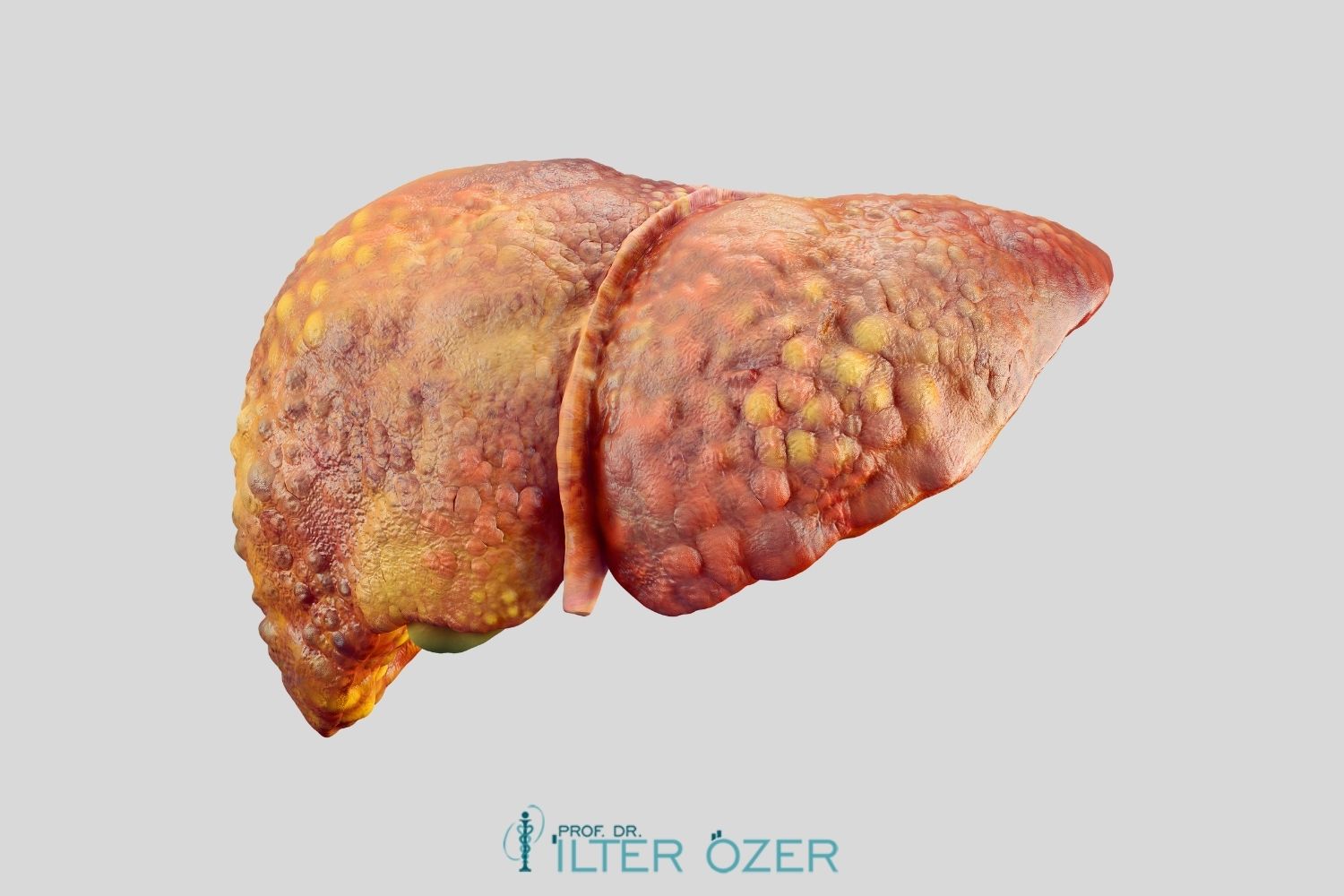
Fatty liver is a condition characterized by excessive fat accumulation in liver cells and is also known in medical terms as hepatosteatosis. While this disease is usually asymptomatic, in some cases, symptoms of fatty liver disease can include fatigue, abdominal pain, and weight loss. Early diagnosis is crucial to prevent the progression of fatty liver disease. Treatment options include dietary changes, exercise, and, when necessary, medication. Healthy lifestyle changes can be an effective way to manage fatty liver disease.
Consult your healthcare professional for more information.
What is Fatty Liver and Why Does It Occur?
Fatty liver is a condition characterized by excessive fat accumulation in liver cells. In medical terms, this condition is often referred to as hepatosteatosis. The liver is one of the body's largest internal organs and performs many important functions, including clearing toxins, producing digestive enzymes, and regulating metabolic processes. While a small amount of fat is normally expected in liver cells, a fat content exceeding 5-10% is defined as fatty liver disease.
While this condition is often associated with lifestyle factors such as excessive alcohol consumption or obesity, in some cases, medical conditions such as diabetes, high cholesterol, or rapid weight loss can also contribute. Fatty liver disease is often asymptomatic. However, over time, it can progress and lead to more serious health problems such as liver inflammation, cirrhosis, or liver cancer. Therefore, it is crucial to recognize this condition early and take the necessary precautions.
Furthermore, symptoms of fatty liver disease can include fatigue, abdominal pain, weight loss, and yellowing of the skin. Early diagnosis is critical to preventing the disease from progressing.
Fatty Liver and Related Risk Factors
Fatty liver disease can occur as a result of a combination of many risk factors. Obesity is one of the most significant risk factors for this condition. Excess weight can cause the liver to exceed its fat storage capacity. Furthermore, people with diabetes are also at risk for fatty liver disease. Insulin resistance can negatively impact liver health by increasing fat accumulation in these patients. High cholesterol levels can similarly lead to fatty liver disease.
Additionally, excessive alcohol consumption is another common cause of fatty liver disease. Alcohol can disrupt the fat metabolism of liver cells, leading to fat accumulation. Certain medications and dietary supplements can also increase the risk of fatty liver disease. Genetic factors can also influence this condition; individuals with a family history of liver disease are more likely to develop the condition.
Finally, a sedentary lifestyle and unbalanced eating habits are other significant factors associated with the symptoms of fatty liver disease. Adopting a healthy lifestyle is critical to reducing this risk. Therefore, regular exercise and a balanced diet are the most important steps to take to maintain liver health.
Symptoms and Changes in Blood Tests
Fatty liver disease is a condition characterized by the abnormal accumulation of fat in the liver and may often not cause obvious symptoms. However, as the disease progresses, certain symptoms may appear. These include fatigue, abdominal discomfort, weight loss, nausea, and loss of appetite. Because the symptoms of fatty liver are often mild, many people may experience it without even realizing it. In advanced cases, more serious conditions such as liver dysfunction and inflammation can develop.
At this stage, blood tests play a crucial role. Elevated liver enzyme levels can indicate liver damage. Elevated levels of alanine aminotransferase (ALT) and aspartate aminotransferase (AST) enzymes, in particular, can indicate a condition known as hepatosteatosis. These tests are used to assess the overall health of the liver and diagnose fatty liver disease. Furthermore, lipid profile tests can help understand the course of fatty liver disease by checking cholesterol and triglyceride levels.
Symptoms and test results are critical in understanding the disease's progression and form an important basis for planning treatment.
Lifestyle Changes and Nutritional Recommendations
Lifestyle changes are crucial in the treatment and management of fatty liver disease. A healthy diet and regular physical activity are particularly effective methods for slowing the progression of the disease and maintaining liver health. Reducing saturated fats and simple sugars and increasing fiber-rich foods is recommended in the diet. Vegetables, fruits, whole grains, and healthy fat sources (e.g., olive oil and avocado) should be preferred.
Additionally, limiting or completely stopping alcohol consumption is a critical step in maintaining liver health. Regular exercise helps with weight control and improves the liver's fat metabolism. It is recommended to engage in at least 150 minutes of moderate-intensity aerobic exercise per week. Stress management is also important, as stress can trigger unhealthy habits. Consequently, lifestyle changes and a healthy diet are crucial components of the fatty liver treatment process, and individuals should be made aware of this.
Lifestyle Changes and Nutrition Recommendations
Fatty liver is a condition associated with obesity, poor eating habits, and a sedentary lifestyle. Therefore, one of the most important steps in treating fatty liver is making radical lifestyle changes. Regular physical activity, a healthy diet, and weight control are critical for managing this condition. First, a healthy diet should be established. This diet should be rich in high-fiber foods, vegetables, fruits, and whole grains.
Furthermore, saturated fat and sugar intake should be limited and processed foods should be avoided. Eating lighter meals earlier in the evening helps the digestive system function more efficiently. It's also important to drink enough water; water helps the liver flush toxins. Physical activity recommendations include at least 150 minutes of moderate aerobic exercise per week. Activities like walking and cycling help with weight loss by increasing calorie burn. Furthermore, muscle-building exercises boost metabolism and improve overall health.
In this context, lifestyle changes have positive effects not only on the symptoms of fatty liver but also on overall health. Stress management, improving sleep patterns, and limiting alcohol consumption are also part of this process. All of these changes support liver health and reduce the risk of hepatosteatosis.
Dietary Habits and Recommendations
Dietary habits play a key role in the treatment of fatty liver. First, adding omega-3 fatty acids to your diet can help reduce fatty liver. Foods like salmon, walnuts, and chia seeds contain these fatty acids. Furthermore, antioxidant-rich foods are effective in maintaining liver health. Foods like blueberries, broccoli, and spinach help the body flush toxins. Avoiding sugary drinks and overly sweet foods is also important; these foods increase the risk of developing fatty liver disease.
Foods and drinks containing high-fructose corn syrup can trigger fatty liver disease. Adequate protein intake is also essential. High-quality protein sources include chicken, fish, legumes, and dairy products. Furthermore, consuming regular, small meals helps regulate blood sugar levels. Fiber-rich foods promote proper digestive function and promote a feeling of fullness. Finally, limiting or completely eliminating alcohol consumption is critical for maintaining liver health.
All of these recommendations will increase the effectiveness of fatty liver treatment and improve the overall health of the liver.
NASH and Fibrosis Risk in Advanced Cases
Fatty liver disease is a condition that occurs when the liver becomes overfilled with fat. This condition is usually caused by factors such as excessive alcohol consumption or obesity. However, in some cases, it can occur without alcohol consumption. Hepatosteatosis is the medical term for fatty liver disease, which can make it difficult for the liver to perform its normal functions. In advanced cases, symptoms of fatty liver disease can include fatigue, abdominal pain, and weight loss.
These symptoms can become more pronounced as the disease progresses. In particular, a form called NASH (Non-Alcoholic Steatohepatitis) can cause liver inflammation and damage. NASH can cause the liver to become fibrotic (scarred), increasing the risk of liver failure and cirrhosis. Therefore, diagnosis and treatment are crucial at this stage. If not detected early enough, the disease can progress. Therefore, regular health checkups and blood tests play a critical role in treating fatty liver disease.
Patients should make lifestyle changes and develop healthy eating habits to manage this condition.
Disease Progression and Risk Factors
Advanced cases of fatty liver disease are often associated with certain risk factors. Conditions such as obesity, insulin resistance, high cholesterol, and high blood pressure are the primary factors that increase the risk of developing NASH. These diseases can negatively affect metabolism, causing the liver to store fat. Genetic predisposition can also trigger this condition. Research shows that family history plays a significant role in the development of advanced forms of fatty liver disease.
Low physical activity levels can also negatively impact the course of this disease. Lack of regular exercise can lead to weight gain and, consequently, fatty liver disease. During the treatment process, patients should consider these risk factors and make lifestyle changes. Recommended lifestyle changes for the treatment of fatty liver disease include healthy eating habits, regular exercise, and weight control. These changes are critical for maintaining liver health and slowing the progression of the disease.
It is crucial for patients to collaborate with their doctors to develop the most appropriate treatment plan for the disease.
Diagnostic Methods: Ultrasound, FibroScan, and Blood Tests
Fatty liver disease is a condition characterized primarily by excessive fat accumulation in the liver. Diagnosis is made using specific tests and imaging methods. The most commonly used diagnostic methods include ultrasonography (USG), FibroScan, and various blood tests. Ultrasound is the most common and non-invasive method for imaging the liver. This method provides information about the liver's size and fat accumulation. Because the symptoms of fatty liver are often mild, patients often go unnoticed.
Therefore, ultrasound performed during routine checkups is critical for early diagnosis. FibroScan is another non-invasive method that measures the amount of fat in the liver and the level of fibrosis. This test determines the level of fatty liver by measuring liver stiffness and provides an early warning of advanced disease. Blood tests play a crucial role in assessing liver function.
In particular, liver enzyme levels provide critical information in determining the level of fatty liver and monitoring the course of the disease. Consequently, these diagnostic methods provide the necessary information for treating fatty liver and allow for the appropriate management of patients.
Fatty Liver and the Importance of Diagnostic Methods
Fatty liver is one of today's most common metabolic diseases, affecting many people worldwide. Accurately identifying and treating this condition is crucial for maintaining a healthy lifestyle. Diagnostic methods play a critical role in diagnosing the disease at an early stage and preventing its progression. Ultrasound, a rapid and effective imaging method, allows doctors to assess patients' liver health. Even when patients don't show symptoms of fatty liver, routine ultrasounds can identify potential problems early.
FibroScan provides a more detailed assessment, revealing not only the accumulation of fat in the liver but also the risk of fibrosis and cirrhosis. This allows patients to develop an appropriate treatment plan. Blood tests are essential for understanding liver function. These tests help monitor the progression of the disease by measuring enzyme levels and other biochemical parameters that assess liver function.
Consequently, the effective use of diagnostic methods is crucial for the success of fatty liver treatment and has a significant impact on maintaining patient health.
Treatment and Monitoring Strategies
Fatty liver disease has become a common health problem today. This condition is characterized by excessive fat accumulation in liver cells and can often progress without any obvious symptoms. Treatment varies depending on the symptoms of fatty liver and the course of the disease. First, the underlying causes of the disease must be identified. Alcohol consumption, obesity, insulin resistance, and certain metabolic diseases are the most common causes of this condition, called hepatosteatosis. Treatment generally begins with lifestyle changes.
A healthy diet, regular exercise, and maintaining an ideal weight can slow the progression of the disease. Additionally, certain supplements or medications recommended by doctors may be included in the treatment process. Importantly, treatment for fatty liver disease requires ongoing monitoring. Liver function should be monitored with regular blood tests, and the disease's progression should be monitored according to a doctor's recommendations. If the disease progresses, more advanced treatment methods may be necessary.
Therefore, regular doctor checkups and health screenings are crucial.
Lifestyle Changes and Nutrition Recommendations
Lifestyle changes are one of the most important steps in treating fatty liver disease. Nutritional habits, in particular, can directly impact the course of the disease. A healthy, balanced diet plays a critical role in maintaining liver health. It's recommended to avoid processed foods and foods high in sugar and fat. Instead, it's beneficial to adopt a diet rich in vegetables, fruits, whole grains, and healthy fats. Regular physical activity is also important.
At least 150 minutes of moderate exercise per week helps with weight control and improves insulin sensitivity. This is highly beneficial for individuals with symptoms of fatty liver disease. Additionally, adequate water consumption is essential for proper bodily functions. Stress management and adequate sleep are other important components of a healthy lifestyle. These changes can not only slow the progression of the disease but also improve overall health.
Therefore, it's crucial for individuals to adopt and maintain these lifestyle changes for the treatment of fatty liver disease.