

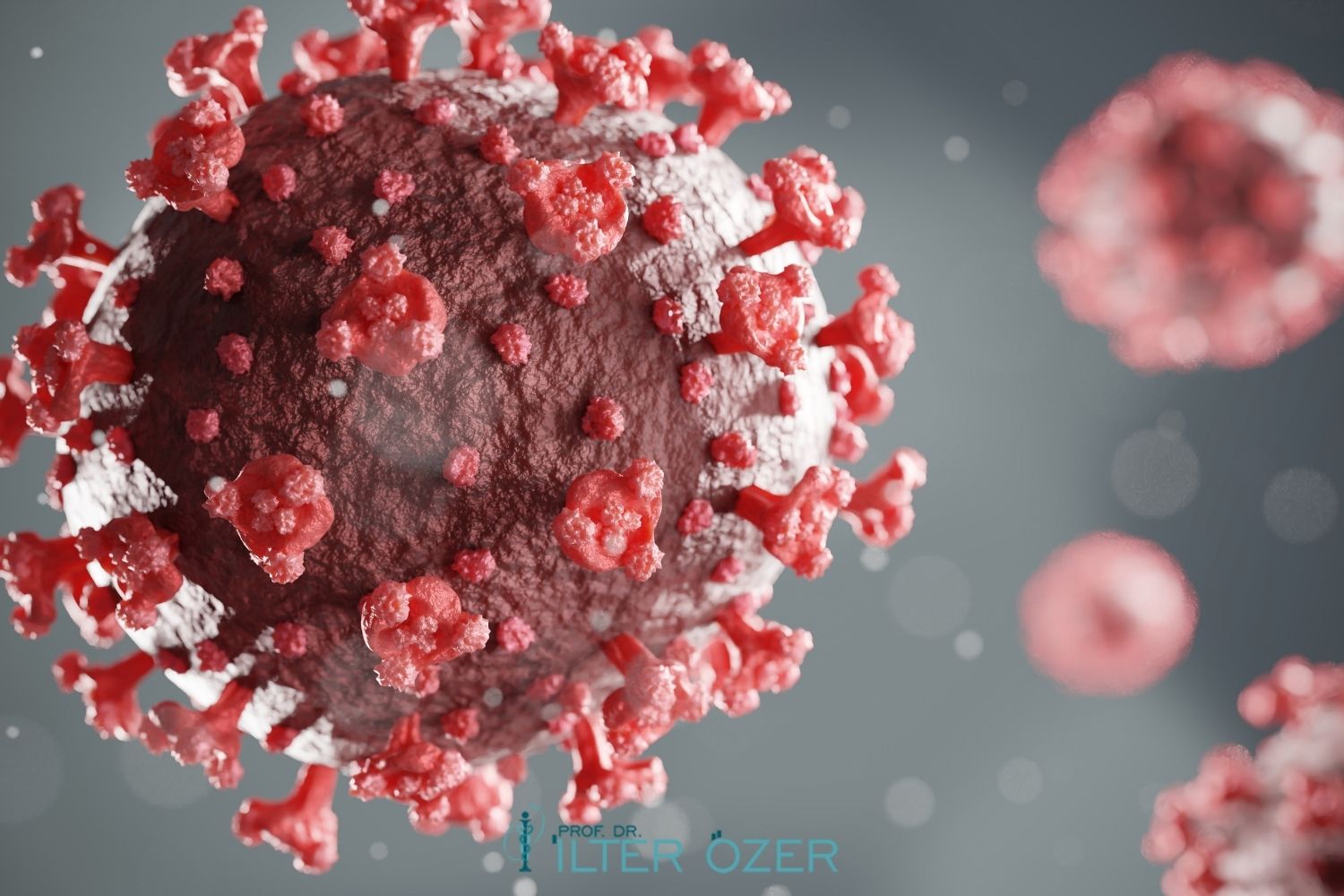
Covid-19, also known as coronavirus, is a viral infection that emerged in late 2019 and spread rapidly worldwide. Caused by the virus known as SARS-CoV-2, this disease manifests itself with symptoms such as cough, fever, and shortness of breath. While symptoms can be mild for some people, they can also cause serious health problems for others. Covid symptoms also include sore throat, headache, and loss of smell. Covid tests are used to detect the presence of the virus and help you learn about your health. During this time, it is crucial to stay up-to-date on coronavirus information and take precautions. Remember, don't forget to take the necessary precautions to protect your health.
What is Covid-19?
Covid-19 is a viral infection caused by the SARS-CoV-2 virus. It first emerged in Wuhan, China, in December 2019 and quickly became a global pandemic. This virus, which belongs to the coronavirus family, is a group of viruses known for respiratory illnesses. Symptoms of Covid-19 range from a mild cold to severe pneumonia. The most common symptoms include fever, cough, and shortness of breath. Some patients may also experience symptoms such as loss of smell and taste, muscle aches, headache, sore throat, and fatigue. This disease is transmitted through airborne droplets released when an infected person coughs, sneezes, or speaks. Therefore, adhering to social distancing guidelines and wearing a mask are crucial for preventing the spread of the disease. Vaccine research has accelerated globally to prevent the spread of Covid-19. Vaccines are being developed to protect individuals against the virus by strengthening their immune systems. However, the severity and effects of Covid-19 have placed a significant burden on healthcare systems, making it particularly risky for the elderly and those with chronic illnesses. Monitoring developments regarding Covid-19, adhering to health authorities' recommendations, and taking the necessary precautions are crucial for protecting the health of individuals and communities during this time.
What are the Symptoms of Coronavirus?
The symptoms of SARS-CoV-2, the virus that causes coronavirus infection, can vary depending on the course of the disease and the individual's health status. The most common symptoms include high fever, persistent cough, and shortness of breath. However, while some individuals experience mild symptoms, others may develop more serious symptoms. COVID-19 symptoms usually begin to appear within 2 to 14 days after infection. Other symptoms that appear at the onset of the disease include headache, sore throat, muscle and joint pain, and fatigue. Some patients may also experience less common symptoms, such as loss of smell and taste. These symptoms play a significant role in the diagnosis of COVID-19. If a person experiences these symptoms, it is strongly recommended to visit a healthcare provider and get tested for COVID-19. Test results provide definitive information about the presence of the disease and are critical for isolating and treating infected individuals. COVID-19 symptoms can range from a mild infection to a serious illness, so it is crucial to be vigilant and take the necessary precautions when symptoms appear.
What are the Symptoms of Coronavirus?
Covid-19 (Coronavirus) is an illness caused by the SARS-CoV-2 virus. This illness has caused serious health problems worldwide and has impacted the lives of many. Coronavirus symptoms can vary depending on the severity of the infection and the individual's health status. Generally, Covid symptoms include fever, cough, shortness of breath, fatigue, muscle and joint pain, sore throat, headache, loss of taste and smell, runny or stuffy nose, and nausea. While these symptoms can appear early in the infection and are usually mild, they can lead to serious complications in some people. Covid tests are critical for diagnosing the disease. These tests use samples taken from the nose and throat to detect the presence of the virus. Test results are crucial for controlling the spread of the disease and directing patients to appropriate treatment. Furthermore, seeking medical attention after the onset of symptoms is a critical step for both individual health and the protection of public health. Health authorities recommend that individuals in particularly high-risk groups carefully monitor their symptoms. The coronavirus can sometimes be asymptomatic, meaning it can be transmitted without showing any symptoms. Therefore, taking precautions such as wearing a mask, adhering to social distancing guidelines, and maintaining hygiene are crucial to preventing the spread of the virus.
Severity of Covid-19 Symptoms
The severity of Covid-19 symptoms can vary from person to person. While some individuals experience mild symptoms, others may experience serious health problems. Elderly individuals and those with chronic conditions are particularly vulnerable to coronavirus infection. Symptoms in these groups are often more severe and may require hospitalization. Symptoms of coronavirus, such as shortness of breath, chest pain, and confusion, can be signs of serious conditions requiring urgent intervention. Therefore, if a person experiences such symptoms, it is recommended to seek immediate medical attention. Furthermore, COVID-19 symptoms typically appear 2 to 14 days after the onset of infection, increasing the risk of spreading the virus. Therefore, it is emphasized that patients should self-isolate when symptoms appear and get tested for COVID-19 as soon as possible. To protect public health, it is important for everyone to heed these symptoms and take the necessary precautions.
What are the Transmission Modes?
Covid-19 is a virus belonging to the coronavirus family that has caused a major pandemic worldwide. This virus, called SARS-COV-2, is transmitted through the respiratory tract. Understanding how the coronavirus spreads is crucial for understanding how the virus spreads. It can spread through contact, through airborne droplets, and on surfaces. The most common mode of transmission is when droplets released into the air when an infected person coughs, sneezes, or speaks enter the respiratory tract of healthy individuals. These droplets can typically travel up to 1-2 meters. Furthermore, individuals who touch surfaces touched by an infected person can contract the virus if they touch their face, especially their mouth, nose, or eyes. Therefore, following hygiene rules and regularly cleaning surfaces is critical to preventing transmission. Practicing social distancing, wearing a mask, and practicing good hand hygiene are essential to reduce the risk of transmission. Additionally, avoiding crowded places and staying in well-ventilated areas is also important to minimize the risk of transmission. Furthermore, getting tested periodically with COVID-19 tests is among the precautions to be taken to prevent the spread of the virus. In this context, raising public awareness and ensuring that individuals take the necessary steps to protect their own health are essential.
Precautions to Prevent the Spread of Coronavirus
Understanding the transmission routes of the coronavirus is one of the most effective methods in combating this virus. First and foremost, hand hygiene is a critical factor. Frequently washing your hands with soap and water and using hand sanitizer significantly reduces the spread of the virus. Furthermore, wearing a mask in crowded areas is crucial to reduce the risk of airborne transmission. Especially in enclosed spaces, good ventilation and maintaining social distance also minimize the risk of transmission. Avoiding direct contact between people is vital to preventing the spread of the virus. Vaccination is also an effective method in combating COVID-19. Vaccines strengthen the immune system, allowing the body to respond more quickly when exposed to the virus. Therefore, it is crucial to access up-to-date information on vaccination and receive the necessary vaccinations on time. All these measures play a significant role in protecting the health of individuals and society. It is crucial to remember that individual responsibility in combating the virus is a critical element for public health. Working together as a society against this virus is the most effective way to protect our health.
How Are Diagnoses and Tests Performed?
Covid-19 (coronavirus) is a viral disease that has a widespread impact worldwide. Diagnosis is made by identifying symptoms and evaluating test results. In the first stage, the doctor evaluates the patient's health history and current symptoms. Coronavirus symptoms include fever, cough, shortness of breath, fatigue, muscle aches, sore throat, headache, and loss of taste or smell. These symptoms can vary depending on the progression of the disease. If a patient exhibits these symptoms, a COVID test is recommended. COVID testing is generally performed using two main methods: PCR testing and rapid antigen testing. PCR testing detects the genetic material of the virus, providing more accurate results. Test results are usually available within 24-48 hours. Rapid antigen tests, on the other hand, provide results faster, but their accuracy is lower than PCR tests. Regarding how the test is performed, a sample is usually taken from the nose or throat. The sample is sent to a laboratory where it is analyzed. Results are considered either negative or positive. A positive result indicates that the individual is infected with the SARS-CoV-2 virus, while a negative result indicates that the individual is not. However, a negative result is not always reliable; therefore, repeat testing may be necessary if symptoms persist. Test results play a critical role in diagnosing the disease and determining the treatment plan.
Types of Covid Tests and Application Methods
The types of tests used to diagnose Covid-19 are crucial in understanding the course of the disease and controlling it. The first of these tests, the PCR test, is the most widely used and reliable test. A PCR test is performed by analyzing samples taken from the nose or throat in a laboratory setting. This test targets genetic material to detect the presence of the virus. Another type of test is the rapid antigen test. This test works by detecting specific proteins of the virus and typically provides results within a few minutes. However, this test is less accurate than a PCR test. Furthermore, if some people have COVID symptoms and test results are negative, doctors may often recommend additional testing. Antibody tests are also used to determine whether a person has previously been infected with the virus. Antibody tests detect antibodies developed by the body after infection. However, an antibody test does not detect active infection, so if symptoms are present, a PCR or antigen test should be preferred. Interpreting test results is crucial for the course of the disease. Based on the results, appropriate treatment can be determined for patients. Early diagnosis and accurate testing are crucial for controlling the outbreak.
What is Treatment and Home Care Like?
Covid-19 (Coronavirus) has become a significant health problem worldwide. Covid-19 is an infection caused by the SARS-CoV-2 virus. This virus manifests itself with various symptoms upon entry into the human body. If Covid-19 symptoms are mild, it can be managed with home treatment methods. First and foremost, the patient should rest and ensure adequate fluid intake. One of the most important steps in home care is the use of appropriate medications to relieve symptoms such as fever and pain. It can also be beneficial to stay in touch with loved ones via social media or phone to positively impact the patient's mood. Furthermore, if the patient's symptoms worsen and more serious symptoms such as shortness of breath, chest pain, or confusion develop, it is important to immediately seek medical attention. During home care, it is also important to ensure the patient's environment is hygienic, regularly ventilated, and personal belongings are kept separate. All of these methods will both accelerate the patient's recovery and help protect others.
Considerations for Home Covid-19 Care
Home Covid-19 care plays a critical role in the patient's recovery process. First and foremost, it is important to monitor and record the patient's symptoms. Coronavirus symptoms include fever, cough, fatigue, and loss of taste or smell. If the patient exhibits these symptoms, treatment at home can be initiated. Drinking water and fluids strengthens the patient's immune system. Vitamin and mineral supplements can also support immunity. Additionally, maintaining a good sleep pattern and practicing stress management techniques contribute to the patient's recovery. If the COVID test results are negative but symptoms persist, home monitoring should continue. However, if the patient's condition worsens, immediate medical attention should be sought. During home care, mask use and social distancing guidelines are essential to protect other family members. During this time, it is also important to chat with the patient and reassure them to support their mental health. It is important to remember that each individual's response to COVID-19 may vary, so personal monitoring and attention are crucial.
How Effective Are Prevention and Vaccines?
The Covid-19 (Coronavirus) pandemic has become a crisis that has strained healthcare systems worldwide. Coronavirus disease is an infection caused by the SARS-CoV-2 virus, which can cause respiratory illness in humans. Coronavirus symptoms can range from mild flu-like symptoms to severe respiratory distress. Therefore, effective prevention methods have been developed to prevent the spread of the disease. Vaccines are one of the most effective tools for reducing COVID symptoms and the risk of disease spread. Vaccination is progressing rapidly in many parts of the world, and this is helping to control the pandemic by increasing herd immunity. The effectiveness of vaccines plays a significant role in reducing the severity of the disease and reducing hospitalization rates. Furthermore, the side effects of vaccines are generally mild and temporary. However, unvaccinated individuals are more likely to test positive for COVID. Therefore, in addition to vaccinations, additional protective measures such as wearing masks, adhering to social distancing guidelines, and maintaining hygiene are crucial. In addition to vaccination, everyone is encouraged to get vaccinated to contribute to public health. This will help reduce the spread of the pandemic and wage a comprehensive fight against it.
Vaccine Effectiveness and Preventive Measures
Vaccines play a crucial role in the fight against COVID-19. The immunity provided by vaccination significantly reduces an individual's risk of contracting the disease. The effectiveness of vaccines has also been observed against different variants of the virus. In particular, the protective effect of vaccines against more contagious strains, such as the Delta and Omicron variants, reduces the severity of the disease. Furthermore, hospitalization rates for vaccinated individuals are significantly lower. However, in addition to vaccination, other measures taken to protect public health are also crucial. Mask use, social distancing, and hygiene are critical for reducing the risk of spreading the virus. Furthermore, individuals should recognize the symptoms of Covid-19 and seek immediate medical attention if they experience these symptoms. Such measures help protect the overall health of both individuals and the public. All these factors combine to form an effective strategy in the fight against the coronavirus. Thus, in addition to the protection provided by vaccines, additional measures can also be used to prevent the spread of the disease. Consequently, monitoring the symptoms of coronavirus and the course of the disease is crucial for public health.
Contact Us to Get Detailed Information About the Subject