

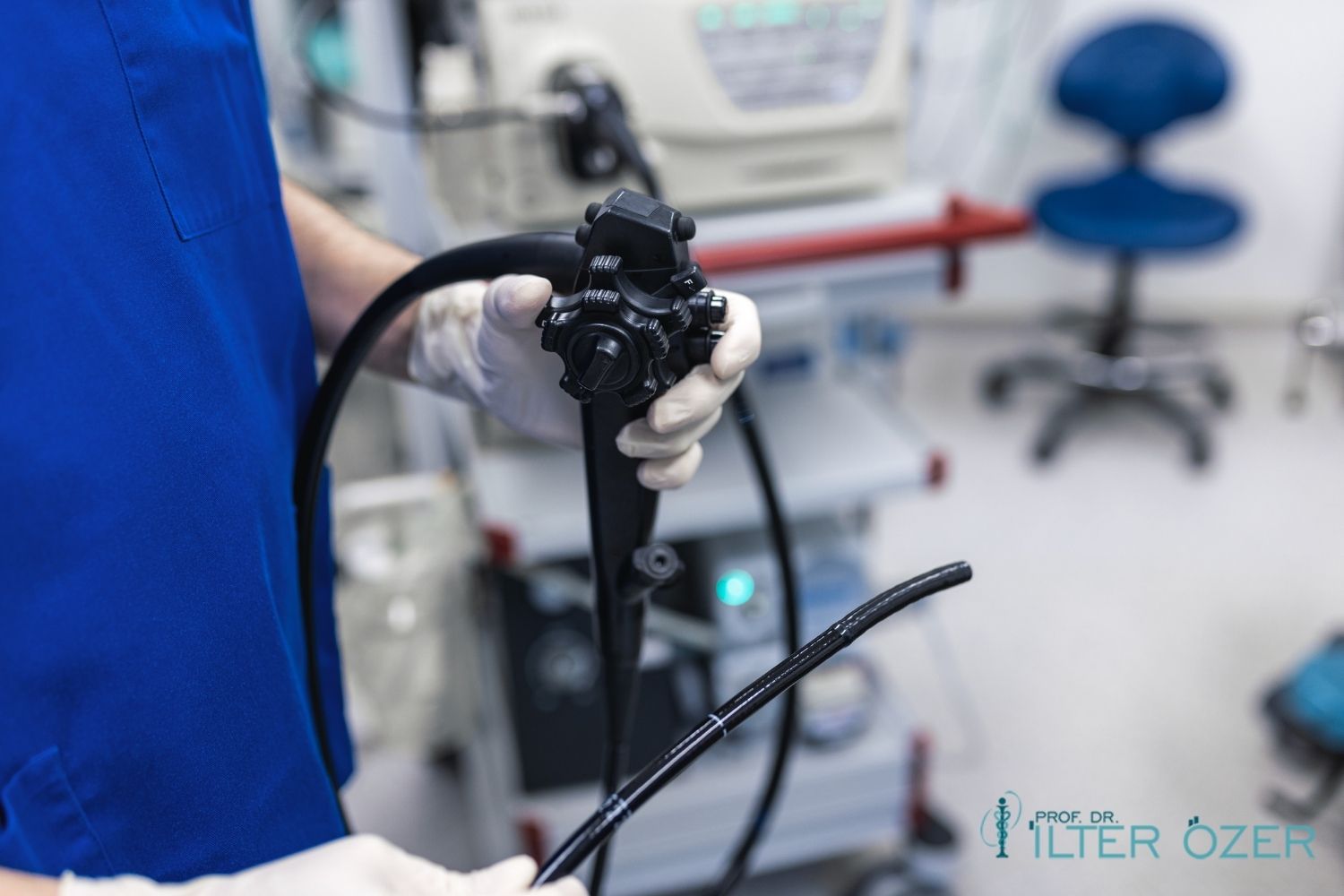
What is a colonoscopy? A colonoscopy is a medical procedure performed to examine the large intestine and rectum. It's often included in bowel screening tests and is particularly recommended in cases such as changes in bowel habits, bleeding, or suspected polyps. At Ankara colonoscopy centers, this procedure is performed by specialist doctors. The question of how a colonoscopy is performed usually requires preparation for the patient. A special diet and laxatives are required before the procedure to cleanse the intestines.
During the procedure, the doctor visualizes the intestines through a thin tube and can also remove polyps if necessary. Colonoscopy is a critical method for early diagnosis and treatment. Don't neglect regular checkups to protect your health!
What is a Colonoscopy and What is Its Purpose?
A colonoscopy describes a medical procedure performed to examine the large intestine and rectum. This procedure is necessary for doctors to evaluate intestinal health, diagnose diseases, and administer certain treatments. Colonoscopy procedures in Ankara play an important role in healthcare and are performed in many hospitals and private clinics. Colonoscopy is generally performed to understand the causes of digestive problems. These problems may include symptoms such as abdominal pain, bleeding, excessive gas, diarrhea, or constipation.
It is also performed as part of bowel screening programs to reduce the risk of bowel cancer. A colonoscopy allows doctors to detect abnormal growths, such as polyps, in the bowel wall and remove them if necessary. During the procedure, a thin tube and camera are used to examine the lining of the intestines. This allows doctors to better assess the patient's bowel health and take necessary precautions.
The purpose of a colonoscopy is not only to diagnose but also to perform therapeutic procedures. If abnormal structures, such as polyps, are detected, they can be removed during the procedure, thus preventing future cancer risk. A colonoscopy is a screening test generally recommended regularly starting at age 50. However, it may be necessary earlier for individuals with a family history, certain symptoms, or other risk factors.
How is a Colonoscopy Performed?
The question of how a colonoscopy is performed is one of the most frequently asked questions for many patients. The procedure is usually performed by a gastroenterologist and performed in a patient-reclined position. First of all, it's important for the patient to pay attention to the preparation process before the procedure. The day before, the patient must completely empty their bowels. This is usually achieved with a special diet and laxatives.
The preparation phase is critical to the success of the procedure. During a colonoscopy, the patient is usually sedated, which makes the procedure more comfortable. The doctor inserts a thin tube (colonoscope) through the anus into the large intestine. The tube has a camera and light system at its end. This allows the inner surface of the intestine to be viewed on a screen. The doctor examines the intestinal wall to identify any abnormalities.
If a polyp or other abnormal structure is found, these structures may be removed during the procedure. The procedure typically takes between 30 minutes and 1 hour. After the procedure, patients are usually observed for a period of time, and a period of time is recommended before returning to normal activities. Colonoscopy is a safe procedure for most patients, but there are risks and complications. Therefore, a thorough evaluation between the patient and doctor is important.
How Is Pre-Procedure Preparation Done?
The question of what a colonoscopy is is an important topic regarding intestinal health. This procedure is an examination performed to examine the inner lining of the intestines. Colonoscopy is an effective method used particularly for cancer screening and diagnosing intestinal problems. However, the answer to the question of how a successful colonoscopy is performed depends on meticulous preparation before the procedure. Pre-procedure preparation ensures that the patient's bowels are cleansed, allowing the doctor to obtain a clearer image.
This preparation process usually begins several days in advance. Patients must adhere to a specific diet and use laxatives the day before the procedure to ensure complete bowel evacuation. It is also important to remember that patients must arrive on an empty stomach on the day of the procedure. This process is critical for maintaining the patient's health and ensuring an accurate diagnosis.
It is especially important for patients undergoing a colonoscopy in Ankara to pay attention to these preparation steps to ensure accurate results. Strictly following the doctor's instructions during the preparation process will minimize any complications that may arise during and after the procedure.
What Happens During a Colonoscopy?
A colonoscopy is performed using a colonoscope, a specialized device used to examine the lining of the intestines. This device is shaped like a thin tube with a camera at its end. This procedure, which answers the question of what a colonoscopy is, usually begins with the patient lying on their side. During the procedure, patients are usually given light sedation to relax.
During this stage, the doctor inserts the colonoscope through the anal region and guides it into the intestines. When answering the question of how a colonoscopy is performed, it is important to note that this stage must be performed with care. During the colonoscopy, images of the intestinal walls are obtained, and if necessary, a biopsy or polyp removal can be performed. This process is critical for assessing the patient's intestinal health.
Furthermore, post-procedural monitoring is also important, allowing for immediate detection of potential complications. Intestinal screening is recommended even in healthy individuals and is highly beneficial for early diagnosis. Therefore, a colonoscopy plays a crucial role not only in diagnosis but also in disease prevention.
What Is Done During a Colonoscopy?
The question of what a colonoscopy is is an important health issue for many people. A colonoscopy is a diagnostic procedure used to examine the lining of the large intestine and rectum. During the procedure, the doctor inserts a thin tube called a colonoscope through the rectum to provide a detailed view of the intestines. This procedure is often crucial for diagnosing conditions such as intestinal problems, bleeding, polyps, or cancer.
Ankara colonoscopy services are equipped with modern equipment and experienced specialists, ensuring the safe conduct of such examinations. Sedation is often administered during the colonoscopy procedure to ensure patient comfort. This prevents patients from experiencing any discomfort during the procedure. A colonoscopy requires special preparation. Patients are required to follow a specific diet and take laxatives to cleanse their intestines before the procedure. This preparation is crucial for the procedure to be both safe and effective.
If the doctor detects abnormal structures such as polyps during the procedure, they can remove them immediately. This helps eliminate potential cancer risks at an early stage. The details of how a colonoscopy is performed are very helpful for those who want to learn more about the procedure.
Colonoscopy Procedure and Process
A colonoscopy procedure typically lasts between 30 minutes and an hour. Mild sedation is usually administered to ensure the patient's comfort, allowing the procedure to proceed more comfortably. It is important to administer a laxative to cleanse the bowel before the procedure. Furthermore, detailed information about the patient's health and medical history should be obtained beforehand. During a colonoscopy, when the doctor inserts the colonoscope through the rectum, the tip of the tube is equipped with a camera.
This camera provides high-resolution images of the inner lining of the intestines, allowing the doctor to perform a detailed examination. If any polyps or abnormal tissue are detected during the procedure, the doctor can take samples for biopsy or, if necessary, perform a polyp removal procedure. This is crucial to prevent further health problems. After a colonoscopy, patients are usually observed for a short period and then discharged.
However, it is recommended that they refrain from driving for several hours after the procedure. This procedure is an important step in maintaining intestinal health and early detection of potential illnesses. Colonoscopy, part of bowel screening programs, is recommended for all individuals over the age of 50.
What Happens If a Polyp Is Found?
A colonoscopy is an important medical procedure used to examine the inside of the intestines and is generally performed to assess bowel health. Understanding the purpose of this procedure and how it is performed is crucial when answering the question of what a colonoscopy is. During a colonoscopy, doctors can detect polyps, inflammation, or other abnormalities in the bowel wall. If a polyp is found during a colonoscopy, understanding the implications and the necessary procedures is crucial for patients.
Polyps are growths in the bowel wall that are generally harmless, but in some cases, they can pose a risk of cancer. Removing polyps is a critical step for a patient's health. If polyps are detected, doctors usually recommend their removal. This procedure can often be performed immediately during a colonoscopy. Removing polyps is not only important for reducing the risk of cancer but also for maintaining a patient's bowel health.
Therefore, if polyps are found after a colonoscopy, patients should discuss the situation with their doctors and determine the necessary treatment options. Polyp removal during a colonoscopy is usually performed using a minimally invasive procedure and is generally painless for patients. However, in some cases, additional treatment methods may be required depending on the size or location of the polyps. Communication between the patient and doctor is crucial during this process.
Along with polyp removal, the doctor gains more information about the patient's bowel health and develops a follow-up plan.
Post-Colonoscopy Follow-Up
The follow-up period for patients after a colonoscopy is determined by the removal of the polyps and other findings. If the procedure is performed at an Ankara colonoscopy center, patients can generally schedule follow-up appointments with specialist doctors in the area. After the colonoscopy, patients may need to have repeat colonoscopies at regular intervals, depending on the findings. This follow-up is a critical step in maintaining bowel health and preventing the development of cancer.
Doctors can create individualized follow-up plans, taking into account patients' lifestyle, diet, and genetic history. Additionally, patients may experience certain symptoms after the procedure; while these are usually temporary, if they persist, a doctor should be consulted. Symptoms such as abdominal pain, bleeding, or changes in stool are particularly important signs to watch out for. Colonoscopy plays a critical role in maintaining bowel health; therefore, it is crucial for patients to have regular checkups and follow their doctor's recommendations.
Consequently, polyp removal and follow-up after a colonoscopy have a significant impact on the patient's overall health. This process is vital for maintaining bowel health by increasing the chances of early diagnosis and treatment.
Risks and Complications of Colonoscopy
When searching for an answer to the question of what a colonoscopy is, the risks and complications associated with this procedure should also be considered. While this procedure, performed at Ankara colonoscopy centers, is generally considered a safe procedure, as with any medical procedure, it carries some risks. Because the lining of the intestines is examined during a colonoscopy, some complications, although rare, can occur.
The most common of these complications is the risk of tearing or perforation of the bowel wall. This is usually caused by excessive pressure applied during the procedure or improper technique. If a perforation occurs, emergency surgery may be necessary. Another risk is bleeding. In particular, bleeding from the bowel wall can occur during or after polyp removal. In this case, the patient's condition can become serious and require additional treatment. Furthermore, some patients may have allergic reactions to anesthesia.
Complications that may occur during anesthesia can include breathing problems or changes in heart rate. Therefore, it is extremely important for patients to provide accurate information to their doctors about their health before the procedure. Some patients may experience temporary abdominal pain, bloating, or discomfort after a colonoscopy. These symptoms usually resolve on their own, but if they persist for a long time, a doctor should be consulted.
Post-Colonoscopy Monitoring Process
The monitoring process for patients after a colonoscopy is also important. When searching for answers to the question of how a colonoscopy is performed, it is also helpful to understand the post-procedure steps. After the procedure, doctors usually keep patients under observation for a certain period to assess their condition. If no complications occur during the procedure, patients are usually discharged the same day.
However, if additional procedures such as polyp removal have been performed, patients may need to stay in the hospital for a period of time. Patients are advised to rest and avoid strenuous activity after the procedure. It is also important to avoid consuming heavy foods for a certain period of time. After a colonoscopy, patients should keep to the follow-up appointments recommended by their doctors. These appointments are important for monitoring bowel health and early detection of potential problems.
It is particularly recommended that patients who have previously had polyps removed undergo colonoscopy at regular intervals. This allows them to monitor the development of new polyps and take necessary precautions. Consequently, bowel screening procedures are critical for early diagnosis and treatment, and patients should participate in these procedures.
Interpretation of Results and Follow-Up
What is a colonoscopy? It refers to a medical procedure performed to examine the large intestine and rectum. Colonoscopy is performed for purposes such as early diagnosis of digestive diseases and the detection and removal of polyps. The results obtained after the procedure provide important information about the patient's health status. A doctor usually interprets the results after a colonoscopy. This interpretation is based on the patient's health history, current symptoms, and the findings obtained during the colonoscopy.
If a polyp or abnormality is detected during the procedure, the patient is informed about the severity of the condition and the necessary steps to follow. For example, if polyps are removed, they may need to be sent to a laboratory for pathological examination. The results of this examination play a critical role in determining subsequent treatment and follow-up plans. Patients should discuss the next steps after receiving the results of their colonoscopy in detail with their doctor.
The post-colonoscopy period is crucial for the patient's overall health and quality of life. Therefore, it is recommended that patients monitor their symptoms and maintain regular contact with their doctor. Furthermore, learning about local healthcare services, such as those offered by Ankara colonoscopy, can help patients better manage their condition.
Post-Colonoscopy Follow-Up Process
Post-colonoscopy follow-up is crucial for the ongoing evaluation of the patient's health status. Evaluating the post-procedure findings is a critical step in understanding the patient's future health risks. If the colonoscopy procedure indicates the presence of polyps, the patient may need to be checked at regular intervals. The size and number of polyps are among the factors that influence the frequency of follow-up visits.
For example, small polyps are generally monitored less frequently, while more frequent checkups may be recommended for large or multiple polyps. Furthermore, participation in colon screening programs is important for reducing the risk of colon cancer. Post-colonoscopy recommendations include adopting healthy eating habits and increasing physical activity levels. These lifestyle changes can support bowel health and improve overall health. Finally, it is important for patients undergoing polyp removal to follow their doctor's recommendations and carefully monitor their symptoms.
This can help prevent potential complications and improve their overall health.