

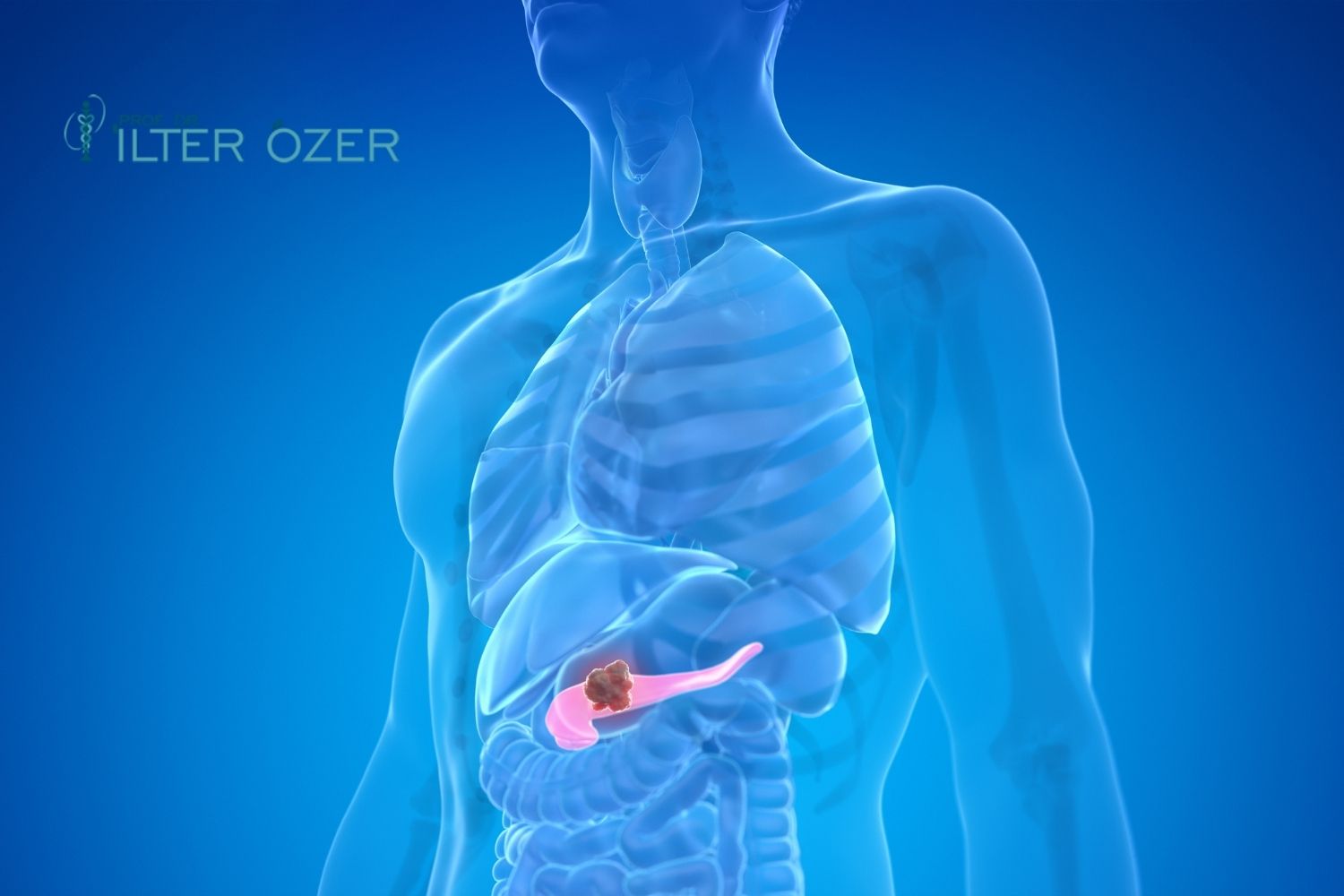
Chronic pancreatitis is a disease caused by long-term inflammation of the pancreas. The pancreas plays a crucial role in the body's metabolism by producing digestive enzymes and insulin. Chronic pancreatitis is often associated with alcohol consumption, genetic factors, or conditions such as pancreatic fibrosis. Symptoms include abdominal pain, digestive problems, and weight loss. Treatment generally focuses on pain management, dietary adjustments, and stopping alcohol consumption.
Learning more about chronic pancreatitis and monitoring its symptoms is crucial for early diagnosis and treatment. Don't forget to seek professional help to protect your health.
What is Chronic Pancreatitis and How Does It Develop?
Chronic pancreatitis is a disease caused by inflammation and damage to the pancreas. This condition prevents the pancreas from performing its normal functions, which can lead to serious digestive problems. The pancreas is an important organ that produces digestive enzymes and hormones such as insulin. The answer to the question of what chronic pancreatitis is is that this organ is characterized by persistent inflammation and, over time, fibrosis (the formation of scar tissue).
The disease usually develops as a result of recurrent attacks of acute pancreatitis. When pancreatic tissue is damaged, it leads to insufficient production of digestive enzymes, making it difficult to digest nutrients. Alcoholic pancreatitis is one of the most common causes of this disease and can develop as a result of long-term alcohol consumption. Genetic factors, autoimmune diseases, and certain medications can also contribute to the development of chronic pancreatitis.
Symptoms include abdominal pain, weight loss, fatty stools, and digestive problems. This disease can be progressive and, if left untreated, can lead to pancreatic dysfunction. Therefore, it is important for individuals diagnosed with chronic pancreatitis to be under medical supervision and follow the necessary treatment methods.
The Relationship Between Chronic Pancreatitis and Pancreatic Fibrosis
Chronic pancreatitis involves a series of changes that occur as a result of long-term inflammation of the pancreas. One of the most important events in this process is the formation of scar tissue, known as pancreatic fibrosis. This fibrotic tissue, which replaces the normal tissue of the pancreas, makes it difficult for the pancreas to perform its normal functions.
The inflammation and fibrosis process affects both the exocrine (digestive enzymes) and endocrine (insulin) functions of the pancreas, leading to metabolic imbalances and digestive problems. This can significantly negatively impact patients' quality of life. In patients with chronic pancreatitis, the pancreas' insufficient enzyme production makes it difficult to digest nutrients, which can lead to nutritional deficiencies. Additionally, insulin production by the pancreas can be disrupted, increasing the risk of diabetes.
Therefore, understanding not only what chronic pancreatitis is but also its development and consequences will help patients and their families make more informed treatment decisions.
Most Common Causes and Risk Factors
Chronic pancreatitis is a progressive disease characterized by inflammation of the pancreas. This condition makes it difficult for the pancreas to perform its normal functions and can lead to various health problems. The answer to the question of what chronic pancreatitis is depends on understanding the causes that play a significant role in the development of the disease. Long-term alcohol consumption, genetic factors, certain metabolic disorders, and autoimmune diseases are often implicated in the development of chronic pancreatitis.
Alcoholic pancreatitis is the most common form caused by alcohol consumption, which damages the pancreas and initiates the inflammatory process. Additionally, some individuals may develop pancreatic fibrosis, which leads to hardening of the pancreatic tissue and the loss of normal functions. Genetic predisposition also plays a significant role in the development of pancreatitis. Individuals with a family history of chronic pancreatitis are at increased risk of developing the disease.
Genetic disorders such as cystic fibrosis, in particular, can affect the pancreas. Other risk factors include high-fat diets, obesity, and the use of certain medications. All of these factors threaten the healthy tissue of the pancreas, triggering the inflammatory process and paving the way for the progression of chronic pancreatitis.
Chronic Pancreatitis and Alcohol Consumption
Alcohol is considered one of the most common causes of chronic pancreatitis. Long-term and excessive alcohol consumption can damage pancreatic cells, triggering an inflammatory process. Alcoholic pancreatitis usually develops after years of alcohol abuse, which can significantly reduce pancreatic function. Alcohol consumption negatively impacts the pancreas's ability to produce digestive enzymes, leading to impaired digestive processes and impaired nutrient absorption. Furthermore, toxic substances produced during alcohol metabolism can damage pancreatic cells and increase inflammation.
In addition to alcohol consumption, genetic factors and lifestyle can also contribute to the development of the disease. Obesity, high-fat diets, and malnutrition place additional pressure on the pancreas. Therefore, it is important for individuals at risk of chronic pancreatitis to reduce alcohol consumption and adopt a healthy lifestyle. Furthermore, if symptoms of this disease appear, it is important to consult a healthcare professional. Early diagnosis and treatment can prevent the progression of the disease and improve quality of life.
Pancreatic Insufficiency and Its Metabolic Consequences
Chronic pancreatitis is a long-term condition resulting from inflammation and damage to the pancreas. This disease typically affects the pancreas' digestive and hormone-producing functions, leading to significant metabolic consequences. What is chronic pancreatitis? It results in permanent damage and fibrosis in the pancreatic tissue. This damage can prevent the pancreas from producing sufficient enzymes, leading to digestive disorders. Alcoholic pancreatitis is considered one of the most common causes; alcohol consumption leads to inflammation and damage to the pancreas over time.
Other causes include genetic factors, gallstones, and the use of certain medications. Pancreatic fibrosis, with the progression of the disease, causes permanent tissue damage and scarring, further reducing the pancreas's functionality. This condition negatively impacts the body's ability to digest fat, protein, and carbohydrates, leading to nutritional deficiencies and weight loss. Long-term pancreatic insufficiency can also affect insulin production, leading to an increased risk of diabetes.
Therefore, patients with chronic pancreatitis require regular medical follow-up, and appropriate treatment should be used to manage the disease's progression.
Chronic Pancreatitis and Quality of Life
Chronic pancreatitis, a condition that directly impacts quality of life, can create significant challenges in patients' daily lives. Pancreatic insufficiency causes digestive problems and, consequently, abdominal pain. This can lead to changes in eating habits and dietary changes. Inadequate nutrient absorption can lead to vitamin and mineral deficiencies, negatively impacting overall health. Furthermore, conditions associated with alcohol consumption, such as alcoholic pancreatitis, can also impact social life, leading to social isolation and psychological problems.
Patients frequently experience symptoms such as nausea, diarrhea, and abdominal pain, which can limit their daily activities. Pancreatic fibrosis becomes more pronounced as the disease progresses, and treatment can become more complex. Therefore, individuals diagnosed with chronic pancreatitis should review their lifestyles and focus on developing a healthy diet and regular exercise habits. Additionally, psychological support can be beneficial during this process. In the long term, disease management and symptom control can improve patients' quality of life.
Imaging and Functional Tests Used in Diagnosis
Chronic pancreatitis is a disease caused by inflammation and damage to the pancreas, often caused by factors such as long-term alcohol consumption. Various imaging modalities and function tests are used to diagnose this disease. Imaging modalities include ultrasound, computed tomography (CT), and magnetic resonance imaging (MRI). These modalities are critical for assessing the structure of the pancreas and any abnormalities.
For example, ultrasound is often preferred for assessing the size and texture of the pancreas, while CT allows for more detailed examination of complications associated with pancreatitis. Furthermore, MRI can be used to provide more detailed images of the pancreas and surrounding tissues. In addition to these imaging modalities, function tests performed to assess pancreatic function are also crucial. These tests help assess the pancreas's ability to produce digestive enzymes and hormone balance.
Particularly for patients seeking answers to the question of what chronic pancreatitis is, the results of these tests play a critical role in determining the severity of the disease and the treatment approach. A decrease in the pancreatic enzyme secretion can lead to digestive problems and nutritional deficiencies, which can negatively impact the patient's overall health.
Consequently, imaging and function tests used in the diagnosis of chronic pancreatitis are indispensable for understanding the course of the disease and determining appropriate treatment methods.
The Importance of Imaging Methods
Imaging methods play a critical role in the diagnosis of chronic pancreatitis. These methods are used to determine the causes and severity of the disease. For example, ultrasound allows for a quick assessment of the general condition of the pancreas, while CT and MRI provide more detailed information for the evaluation of more complex conditions. These tests can identify changes in the structure of the pancreas and abnormalities such as cysts or tumors.
Furthermore, in certain types of pancreatitis, such as alcoholic pancreatitis, the degree of damage associated with alcohol use is also assessed. Function tests are used to measure the pancreas' enzyme production capacity. These tests reveal the patient's nutritional status and the effectiveness of their digestive system. In severe conditions such as pancreatic fibrosis, loss of pancreatic function becomes particularly evident, directly impacting the patient's treatment plan.
Therefore, imaging and function tests provide comprehensive information about the condition of chronic pancreatitis patients and play a crucial role in planning treatment processes.
Treatment Principles: Pain Management and Enzyme Replacement
Chronic pancreatitis is a disease that occurs as a result of long-term inflammation of the pancreas, disrupting its normal functions. This can significantly impact patients' quality of life. Chronic pancreatitis can be defined as a condition in which the pancreas's ability to produce digestive enzymes and hormones is reduced. As the disease progresses, fibrosis (an increase in connective tissue) can occur in the pancreatic tissue, further reducing the organ's functionality.
Pain management and enzyme replacement play an important role in the treatment process. Pain management is generally achieved through analgesics and anti-inflammatory medications. This treatment helps patients maintain their daily activities. In addition, in conditions associated with alcohol consumption, such as alcoholic pancreatitis, stopping alcohol consumption is recommended. Additionally, patients are offered dietary advice and lifestyle changes to prevent the development of pancreatic fibrosis.
Enzyme replacement therapy, on the other hand, involves exogenous enzyme supplementation when the pancreas is unable to produce sufficient digestive enzymes. This treatment facilitates better digestion and absorption of nutrients, thereby improving the nutritional status of patients. A multidisciplinary approach and regular patient follow-up are crucial for effective treatment.
Methods Used in Pain Management
Pain management is one of the most important components of chronic pancreatitis treatment. During this process, personalized treatment plans should be developed, taking into account the patient's pain response and severity. Initially, simple analgesics may be used depending on the patient's condition. If these medications are insufficient, opioid analgesics can be used. However, opioid use should be used with caution and the risk of addiction should be considered.
Additionally, physical therapy and alternative medicine methods may be effective for some patients. Psychological support can be beneficial for patients coping with chronic pain. Additionally, lifestyle changes are also recommended. In particular, a low-fat diet and frequent small meals can reduce pressure on the pancreas. Stress management and regular exercise can also have positive effects on patients' overall well-being. Combining these methods will improve the quality of life of chronic pancreatitis patients and positively impact the course of the disease.
Surgical Options in Advanced Cases
Chronic pancreatitis is a condition caused by long-term inflammation of the pancreas, which can lead to permanent damage to its structure. As the disease progresses, some patients may require surgical intervention. Surgical options are generally determined based on the course of the disease, the patient's general health, and current complaints. In advanced cases of chronic pancreatitis, drug therapy and other non-invasive methods may not be sufficient. Surgical interventions may be performed to manage pain, reconstruct the pancreas, or alleviate complications.
For example, procedures such as widening the pancreatic ducts, removing cystic lesions, or removing a portion of the pancreas may be performed. These types of surgical procedures are important for improving the patient's quality of life and reducing pain. Alcohol-related conditions, such as alcoholic pancreatitis, may increase the need for surgery. However, surgery may not be appropriate for every patient; therefore, each patient's condition should be evaluated individually.
In patients with pancreatic fibrosis, the benefits and risks of surgery should be carefully analyzed. Collaboration between the gastroenterologist and surgeon is critical to developing the best treatment plan.
Types of Surgical Interventions
The types of surgical interventions vary depending on the needs of patients with chronic pancreatitis and the stage of the disease. One of the most common surgical procedures is the removal of the inflamed portions of the pancreas. This procedure is performed to reduce the patient's pain and help the pancreas function more effectively. Furthermore, if the pancreatic duct is stenosed, dilation can be performed to regulate fluid flow.
Patients with advanced pancreatic fibrosis and serious complications may require a pancreatic duodenectomy (Whipple procedure). This procedure involves removing the head of the pancreas, the onions, and sometimes the gallbladder. Long-term follow-up and, if necessary, additional treatments are crucial after surgical interventions. Nutritional support, pain management, and addressing vitamin deficiencies are among the factors that should be considered during the recovery process. The goal is to improve the quality of life for patients after surgery.
However, as with any surgical procedure, it is important to remember that such interventions carry risks and complications. Therefore, it is important to thoroughly inform patients about their surgical options and seek expert advice.