

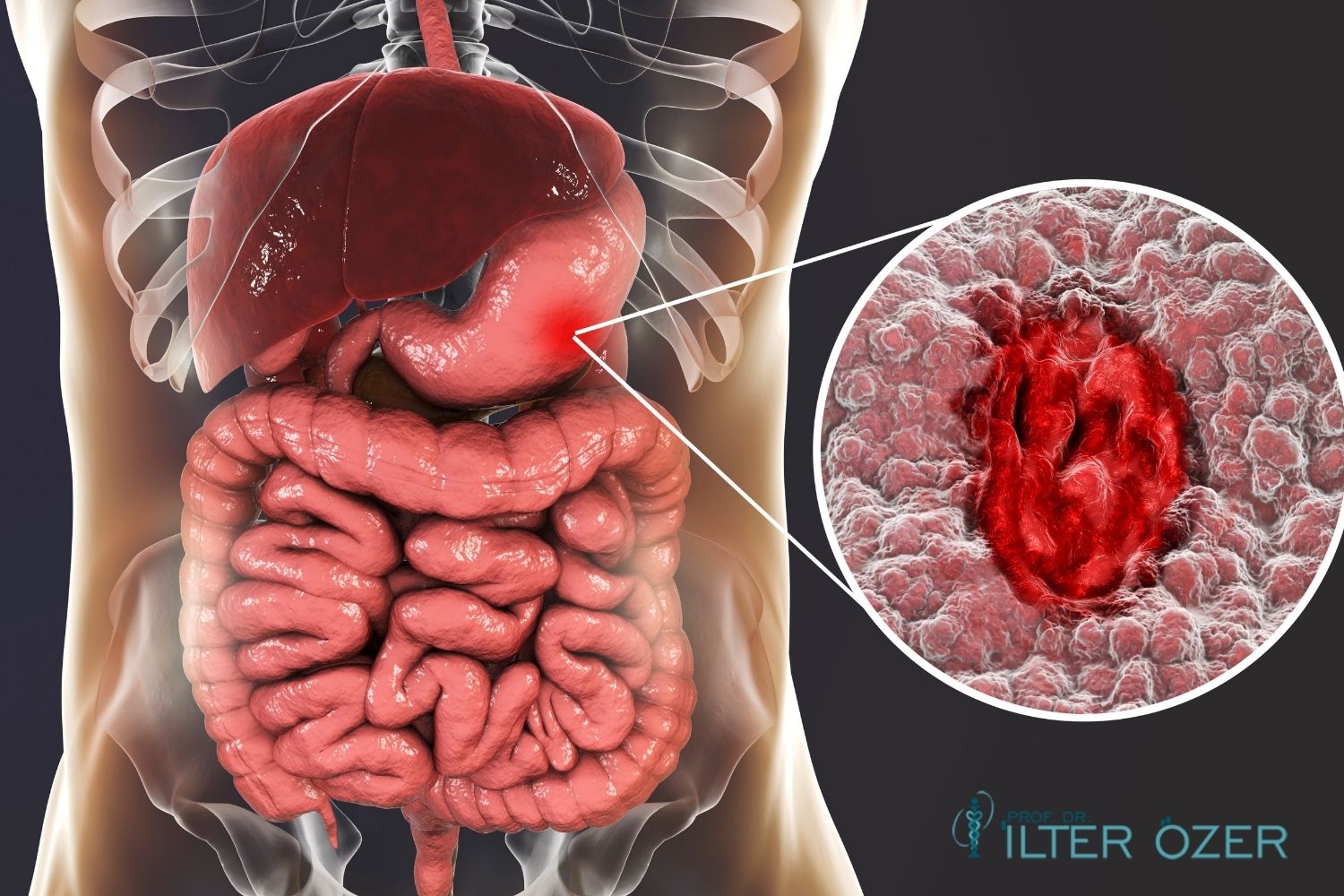
Ulcers are open sores in the stomach or duodenum and usually develop due to the effects of stomach acid. The answer to the question "What is an ulcer?" is that these sores are often associated with the H. pylori bacteria, excessive alcohol consumption, stress, and the use of certain medications. As for what helps ulcers, a healthy diet, including probiotics and fiber-rich foods, can help heal stomach ulcers.
Additionally, medications such as proton pump inhibitors play an effective role in ulcer treatment by reducing acid production. For those considering an ulcer diet, it's important to avoid spicy and acidic foods. If you experience symptoms of stomach ulcers, it's recommended to consult a healthcare professional.
Medical Treatment: PPI and Antibiotic Regimen
An ulcer is a lesion in the stomach or duodenum caused by damage to the protective lining of the stomach lining against harmful acids and enzymes. This condition often develops as a result of factors such as infections caused by the bacterium Helicobacter pylori (H. pylori) or long-term use of nonsteroidal anti-inflammatory drugs (NSAIDs). Understanding the factors that influence ulcers and their treatment methods can be better understood. Medical treatment generally begins with proton pump inhibitors (PPIs) and antibiotic regimens.
Proton pump inhibitors accelerate ulcer healing by reducing stomach acid. These medications help protect the stomach lining and relieve symptoms such as pain. Antibiotics, on the other hand, are used to treat H. pylori and help heal the infection by destroying the bacteria. This combination of treatments is highly effective in relieving ulcer symptoms and accelerating the healing process. In ulcer treatment, doctors often recommend triple or quadruple therapy protocols.
Triple therapy combines a proton pump inhibitor with two different antibiotics, while quadruple therapy also includes a bismuth compound. These treatment methods provide successful ulcer treatment in 80-90% of patients. However, there are certain points that patients should pay attention to during the treatment process. It is extremely important to take medications regularly and strictly follow the doctor's recommendations. It is also recommended to monitor for side effects during treatment and contact your doctor when necessary.
Ultimately, understanding what an ulcer is can be more clearly understood by understanding how effective treatment works.
Important Points in Ulcer Treatment
Medical treatment alone is not sufficient for successful ulcer treatment. Patients can accelerate the healing process by following an ulcer diet. This diet should include foods that do not irritate the stomach and are easy to digest. For example, consuming fiber-rich foods helps the digestive system function properly. Furthermore, foods containing probiotics support a healthy digestive system by balancing the intestinal flora and strengthening the immune system. Furthermore, it is recommended to avoid alcohol and smoking during H. pylori treatment.
These substances can further irritate the stomach lining and negatively impact the treatment process. It is also important to avoid acidic and spicy foods, caffeinated beverages, and fatty foods. Such foods can lead to increased stomach acid, thus worsening symptoms. Herbal supplements can also play an important role in ulcer treatment. However, the level of scientific evidence regarding the effectiveness of these supplements varies. Therefore, it is important to consult a healthcare professional before using herbal products.
In general, a combination of medical treatment, diet, and lifestyle changes is the most effective way to accelerate the healing process in ulcer treatment.
H. pylori Eradication and Its Importance
Ulcers are sores that occur in the digestive system, particularly in the stomach or duodenum. These sores are usually associated with the presence of a bacterium called Helicobacter pylori (H. pylori). H. pylori causes inflammation in the stomach lining, paving the way for sores to form in the acidic environment. The answer to the question of what an ulcer is is directly related to the effects of this bacterium.
H. pylori infection is one of the most common causes of ulcers and can lead to serious complications if left untreated. Eradication of H. pylori, the complete removal of this bacterium from the stomach, is a fundamental part of ulcer treatment. This process is usually accomplished with a combination of proton pump inhibitors and antibiotics. Proton pump inhibitors help wounds heal by reducing stomach acid production, while antibiotics eliminate H. pylori.
This treatment regimen alleviates patient symptoms and reduces the risk of ulcer recurrence. Furthermore, eradicating H. pylori plays a critical role in preventing more serious health problems such as stomach cancer. Therefore, to answer the question of what is good for ulcers, the need to first address H. pylori must be emphasized.
H. pylori Eradication and Its Importance
H. pylori infection is recognized as a widespread health problem worldwide. The presence of this bacterium can lead to stomach ulcers, as well as gastritis and other digestive problems. Eradication of H. pylori is vital not only for the treatment of existing ulcers but also for preventing the formation of new ones. During ulcer treatment, doctors often prescribe two or more antibiotics along with a proton pump inhibitor.
This treatment approach is used to prevent the bacteria from developing resistance to treatment. Probiotic supplements can also be beneficial in treating H. pylori. By balancing the intestinal flora, probiotics strengthen the immune system and support digestive health. Eradication of H. pylori reduces patients' anxiety about future health problems and significantly improves their quality of life. Furthermore, an ulcer diet also plays an important role in the treatment process.
Fiber-rich foods promote healing by protecting the stomach lining, while certain foods can worsen symptoms by triggering stomach acidity. Therefore, a list of foods and medications to avoid should be carefully prepared. Consequently, effective eradication of H. pylori is the most effective way to manage stomach ulcers and other digestive issues.
Ulcer-Helpful Foods and Diet Tips
Ulcers are sores that occur in the stomach or duodenum and are usually caused by bacterial infections such as excessive stomach acid, stress, or H. pylori treatment. This condition is also known as a stomach ulcer. When asked what an ulcer is, these sores typically present with symptoms such as abdominal pain, indigestion, and heartburn. Treatment of ulcers is supported by dietary changes, along with medical methods.
An ulcer diet, in particular, should include foods that protect and heal the stomach lining. Fiber-rich foods, probiotics, and healthy fats can help ulcers heal. Furthermore, the use of proton pump inhibitors contributes to ulcer healing by reducing stomach acid production. Drinking plenty of water and eating a regular diet are also important factors in supporting stomach health. It's important to remember that individuals experiencing ulcer symptoms should avoid acidic and spicy foods.
What's Good for Ulcers?
The question of what's good for ulcers is one of the most frequently asked questions by patients. Firstly, it is crucial to use antibiotics as recommended by a doctor for H. pylori treatment. This treatment helps repair the damage caused by the bacteria to the stomach lining. It is also recommended that patients consume high-fiber foods during ulcer treatment. Whole grains, vegetables, and fruits support intestinal health and regulate the digestive system.
Furthermore, foods such as yogurt containing probiotics balance the stomach flora and accelerate the healing process. However, it is also crucial to avoid certain foods. Alcohol, caffeine, spicy foods, and acidic fruits can irritate the stomach lining. Therefore, when developing an ulcer diet, it is important to choose easily digestible and nutritious foods. Herbal supplements, such as turmeric and aloe vera, can also benefit stomach health.
Consequently, both medical and dietary interventions play a significant role in improving the quality of life for patients in ulcer treatment.
Foods and Medications to Avoid
Ulcers are open sores in the stomach or duodenum, usually caused by the effects of stomach acid. The answer to the question of what ulcers are is that these ulcers are caused by inflammation and damage to the stomach lining. One of the most important points that ulcer patients should be aware of is the foods they should avoid. Spicy, acidic, and fatty foods, in particular, can increase stomach acid and exacerbate ulcers.
Furthermore, alcohol and caffeinated beverages can irritate the stomach lining. Therefore, one of the answers to the question of what is good for ulcers is to avoid these foods. Additionally, certain medications can have negative effects on the stomach lining. Non-steroidal anti-inflammatory drugs (NSAIDs), in particular, painkillers that do not have a gastroprotective effect, can exacerbate ulcers. Therefore, it is important to remember to avoid these medications.
Changing your diet is an effective method for treating ulcers; therefore, following a healthy and balanced diet can accelerate the healing process. Fiber-rich foods and probiotics are some of the nutrients that support stomach health. However, since each individual's situation varies, it is always important to consult a healthcare professional when creating a diet plan.
Effects of Medications on the Stomach
Proper use of medications is crucial during ulcer treatment. Antibiotics used during H. pylori treatment help eliminate the infection in the stomach lining, while concomitant proton pump inhibitor (PPI) medications reduce stomach acid production and promote ulcer healing. However, long-term use of these medications can lead to some side effects. PPIs, in particular, can disrupt the natural balance of the digestive system because they reduce stomach acid.
Therefore, caution should be exercised during ulcer treatment and should be followed according to a doctor's recommendations. Furthermore, probiotic supplements can be beneficial in balancing intestinal flora and supporting stomach health. In addition to the recommended diet for ulcer healing, the use of such supplements can improve patients' overall health. Consequently, individuals with ulcers can live a healthy life by paying attention to both their diet and medication intake.
Level of Evidence Regarding Herbal Supplements
An ulcer (gastric ulcer) is a condition characterized by the erosion of the mucosal lining of the stomach or duodenum. This condition often develops due to an overly acidic environment, stress, alcohol consumption, and the side effects of certain medications. Understanding what constitutes an ulcer is crucial for understanding its symptoms and treatment options. While ulcer treatment is generally carried out through medical methods, herbal supplements are also thought to contribute to the healing process.
However, opinions differ regarding the effectiveness of herbal treatments. Various herbs are used to support stomach health and address the question of what is good for ulcers. Herbs such as ginger, aloe vera, chamomile, and fennel are known to have stomach acid-balancing and anti-inflammatory properties. These herbs can help heal stomach ulcers and support overall digestive health. However, it is essential to consult a specialist before using these herbal supplements.
Furthermore, the side effects of herbal supplements and their interactions with other medications should also be considered. For example, some herbs can interact with antibiotics used during H. pylori treatment. Therefore, it is important for patients wishing to use natural methods to discuss this matter in detail with their doctor. Furthermore, combining treatments such as an ulcer diet and proton pump inhibitors can accelerate the healing process.
The Effects and Uses of Herbal Supplements
Research has examined the effects of herbal supplements in ulcer treatment. For example, ginger's acid-balancing and anti-inflammatory properties are thought to aid in the healing of stomach ulcers. Furthermore, aloe vera, thanks to its protective effect on the stomach lining, can support the healing process of ulcers. Chamomile tea is also known for its digestive benefits and reducing stomach discomfort. However, it's important to remember that these herbs don't have the same effects on everyone.
When searching for answers to the question of what's good for ulcers, it's important to consider that diet, in addition to herbal supplements, plays an important role. Fiber-rich foods can support the digestive system and accelerate the healing process of ulcers. However, because some foods and medications can have negative effects on stomach ulcers, caution should be exercised regarding foods and medications to avoid.
Consequently, further research is needed on the effectiveness of herbal supplements, and patients are strongly advised to consult a specialist during their treatment process. A healthy lifestyle, regular doctor checkups, and appropriate eating habits play a significant role in ulcer management.
Healing Monitoring and Preventive Recommendations
Ulcers (stomach ulcers) are sores that form on the lining of the stomach and are usually caused by the effects of stomach acid. Because this condition can cause significant discomfort, the question of what an ulcer is is frequently raised. The treatment and recovery process for ulcers are crucial for improving patients' quality of life. During the recovery period, patients should be under the supervision of a doctor and receive regular follow-up visits.
Additionally, an ulcer diet can help heal stomach ulcers. This diet should be enriched with foods that are non-irritating to the stomach, high in fiber, and contain probiotics. Furthermore, H. pylori treatment is also crucial, as the presence of this bacteria can cause ulcers to recur. The use of proton pump inhibitors (PPIs) during treatment helps wound healing by reducing stomach acid.
During the recovery period, patients are advised to drink plenty of water, avoid stress, and maintain a healthy diet. These recommendations are crucial for reducing ulcer symptoms and accelerating the healing process.
Things to Consider During the Recovery Process
There are many factors that patients should be aware of during ulcer treatment. First of all, the answer to the question of what helps ulcers can vary depending on individual health conditions. Following your doctor's recommendations is one of the most important parts of the treatment process. Furthermore, patients need to consume adequate amounts of fiber to heal their wounds. Fiber supports the healthy functioning of the digestive system and helps balance stomach acid.
Consuming foods containing probiotics is also recommended, as these foods balance intestinal flora and facilitate digestion. Foods to avoid during the healing process include spicy foods, acidic fruits, and processed foods. These foods can irritate the stomach and exacerbate ulcer symptoms. Caution should also be exercised when using herbal supplements; it's important to seek expert advice, as some herbs can have negative effects on the stomach. Furthermore, monitoring your healing process with regular doctor checkups helps prevent potential complications.
Preventive measures include stress management, regular exercise, and adopting a healthy lifestyle. These lifestyle changes can reduce the risk of ulcer recurrence and improve overall health.