

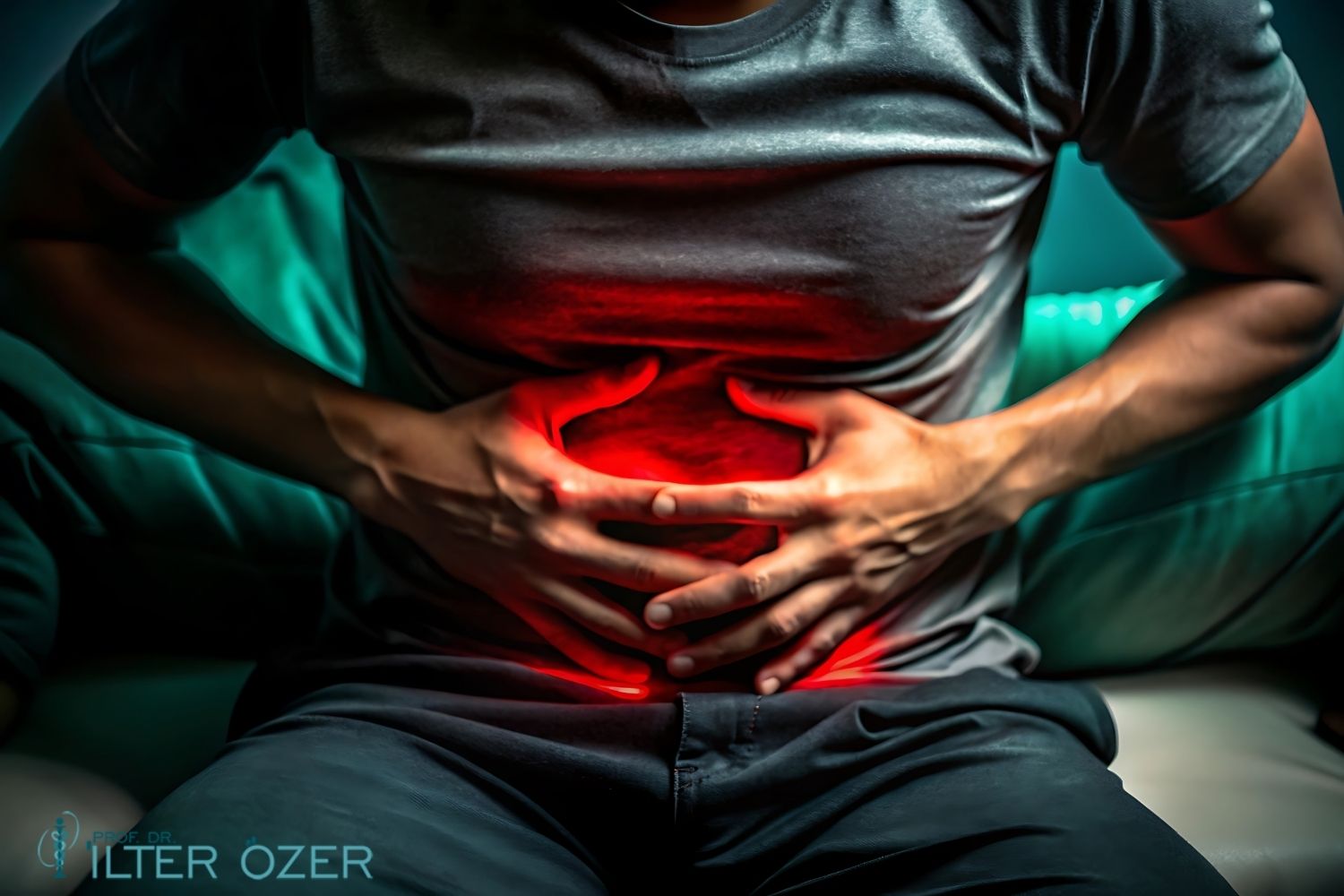
The question of what stomach spasms are is a significant one, especially for those experiencing digestive issues. A stomach spasm is a condition that occurs when the stomach muscles contract abnormally. This condition manifests itself with uncomfortable symptoms such as stomach cramps and abdominal spasms. It is often associated with problems such as indigestion, stomach pain, and bloating. Stomach spasms can be caused by factors such as stress, poor diet, or the consumption of excessively fatty foods.
If your stomach spasms recur frequently, it's beneficial to consult a healthcare professional. To maintain your stomach health, be sure to eat regularly and drink enough water.
Stomach Spasm Definition and Typical Symptoms
The question of what stomach spasms are is among the questions many people have about stomach spasms, a common condition. A stomach spasm is a condition that occurs when the stomach muscles suddenly contract. This condition is often called a stomach cramp and can be confused with abdominal cramps. When describing this condition, staff note that patients often struggle with symptoms such as indigestion and stomach pain.
Stomach spasms can arise from a variety of causes, including stress, malnutrition, or overeating. Stomach spasms often manifest as sudden pain, which can be felt in different parts of the abdomen. For some people, this pain is more pronounced after eating, while for others, it can occur after a stressful day. Symptoms can vary from person to person, but overall, stomach spasms are a condition that often affects quality of life.
Symptoms and Effects of Stomach Spasms
When searching for an answer to the question of what stomach spasms are, it is important to examine the symptoms of stomach spasms and their effects on individuals. Stomach spasms typically manifest as severe pain, discomfort, nausea, and sometimes vomiting. These symptoms can negatively impact a person's daily life, as the pain can appear suddenly and be distressing. Individuals experiencing stomach cramps, in particular, may avoid certain foods or change their eating habits to avoid them.
Furthermore, conditions such as indigestion and stomach cramps are associated with stomach spasms, and these symptoms often occur in a cyclical pattern. Stomach cramps can cause a feeling of bloating or abdominal pain after eating, which can be quite distressing for many people. Therefore, learning how to cope with stomach spasms and consulting a doctor for management of these symptoms is crucial.
Consequently, stomach spasms are a condition that significantly impacts an individual's quality of life, making it vital to identify their symptoms and take the necessary precautions.
Foods and Conditions That Trigger Spasms
Stomach spasms are a common health problem affecting many people. Stomach spasms are a condition that occurs when the stomach muscles suddenly contract. This condition is often felt as a stomach cramp or abdominal spasm and can be triggered by a variety of factors. Factors that influence spasms include eating habits, stress, excessive alcohol consumption, and certain health conditions. Spicy foods, fatty foods, and acidic foods, in particular, can increase the risk of stomach spasms.
Overeating or eating quickly can also trigger this condition. Emotional stress and anxiety can also increase stomach contractions, causing stomach pain. Some diseases, particularly digestive disorders and indigestion, can also affect stomach contractions. Therefore, being aware of the foods and conditions that cause these conditions is important to prevent symptoms. Individuals experiencing stomach spasms can have a healthier digestive process by avoiding these triggers.
The Relationship Between Stomach Spasms and Nutrition
Eating habits play a significant role in the question of what stomach spasms are. Acidic and spicy foods, in particular, can increase the sensitivity of the stomach muscles, leading to stomach cramps. Furthermore, excessive amounts of caffeine-containing beverages can negatively affect the stomach, causing spasms. Fatty and heavy foods complicate the digestive process and increase stomach contractions.
The temperature of the food consumed can also affect this condition; Foods that are too hot or too cold can cause the stomach muscles to react. Furthermore, stressful situations and emotional fluctuations can cause the stomach muscles to tighten, leading to abdominal cramps. It's important for people experiencing stomach cramps to identify these triggering foods and situations and make the necessary changes to their diet. A healthy eating plan can reduce stomach cramps and improve overall digestive health.
Therefore, it's recommended that individuals pay attention to their body and monitor their symptoms.
Pain Character and Location
Many people experiencing digestive discomfort ask the question, "What is a stomach spasm?" Stomach spasms are involuntary contractions that occur in the stomach or abdomen and usually manifest as a sudden, sharp pain. These pains are often referred to as stomach cramps and can be associated with conditions such as indigestion and stomach pain. Stomach cramps can negatively impact a person's quality of life, so it's important to understand what these symptoms mean.
Abdominal cramps are usually felt in the lower abdomen, but sometimes they can radiate to the upper abdomen. The nature, duration, and intensity of the pain can vary from person to person. While some people experience mild discomfort, others can experience severe pain. The pain experienced during a stomach spasm typically feels like a cramp and can be sudden and sharp.
This type of pain is caused by excessive tension or contraction of the stomach muscles and usually worsens after eating. Stress, poor eating habits, and certain health conditions can also cause stomach spasms. Therefore, anyone experiencing stomach spasms should consult a specialist to understand the underlying causes.
Stomach Spasm and Its Symptoms
To answer the question of what a stomach spasm is, it's first important to understand its symptoms. Stomach spasms typically present with sudden, sharp pain. These pains are often more pronounced after eating or when hungry. This condition, called stomach cramps, is more common in individuals with sensitive stomachs. The pain is usually felt in the middle or upper abdomen. Some individuals may also experience additional symptoms such as nausea, vomiting, or indigestion.
Other discomforts that may accompany abdominal cramps include gas and bloating. During stomach cramps, a person may feel uncomfortable and find it difficult to carry out daily activities. Therefore, it is crucial to consult a healthcare professional depending on the severity of the symptoms. If the symptoms are particularly severe or persist for days, an underlying health problem may be suspected.
Stomach spasms, which occur alongside conditions such as indigestion and stomach pain, negatively impact quality of life and may require treatment. Lifestyle changes and dietary recommendations also play an important role in the treatment process.
Relaxing Treatments That Can Be Done at Home
The question of what stomach spasms are is often associated with abdominal pain and discomfort. Stomach spasms are a condition caused by excessive and uncontrolled contraction of the stomach muscles. This discomfort can occur in many people from time to time and can be caused by a variety of causes. Stress, poor nutrition, or digestive problems can particularly trigger stomach spasms. Some simple treatments you can do at home can help relieve such discomfort.
First, using a hot water bottle is quite effective. Placing a hot water bottle on your abdomen can help relax the muscles and reduce pain. Drinking herbal teas that aid digestion, such as peppermint tea, can also be beneficial. Peppermint can reduce stomach cramps and pain by relaxing the stomach muscles. Ginger tea is also an alternative that soothes the digestive system. This tea is an effective way to combat indigestion and abdominal cramps.
A regular and balanced diet can also reduce the risk of stomach spasms. Avoiding heavy and fatty foods, in particular, helps reduce stomach activity. Eating slowly, chewing thoroughly, and avoiding overeating also contribute to the health of your digestive system. Finally, stress management techniques, practices such as yoga and meditation can also play an important role in maintaining a healthy stomach.
Other Suggestions for Stomach Disorders
Another relaxing method you can try at home is deep breathing exercises. Deep breathing can have a positive effect on stomach contractions by reducing the body's stress levels. These types of exercises can help prevent stomach upsets by maintaining balance between body and mind. Furthermore, regular physical activity can reduce symptoms of indigestion by regulating the digestive system. A daily walk or light exercise will help your digestive system function better. Maintaining a healthy sleep schedule is also crucial.
Inadequate sleep can increase stress and anxiety, which increases the risk of stomach spasms. Getting enough, quality sleep will improve your overall health and positively impact your stomach health. It's also important to be mindful of alcohol and caffeine consumption. These substances can affect the acidity of the stomach, leading to discomforts such as stomach cramps and pain. Finally, consuming foods containing probiotics, such as yogurt and kefir, can support your digestive system and provide relief.
These suggestions offer simple and effective solutions you can apply at home and can help address the question of what stomach spasms are.
When to See a Doctor
Answering the question of what stomach spasms are is important for understanding this condition, which is a common ailment for many people. A stomach spasm can be defined as a sudden and involuntary contraction of the stomach muscles. This condition usually manifests as severe stomach pain and can be caused by a variety of causes. If stomach spasms recur frequently or become unbearable, it's important to consider a more serious underlying health problem.
It's crucial to determine which conditions warrant medical attention. If stomach cramps are accompanied by symptoms such as high fever, vomiting, bloody stools, or weight loss, it's important to seek immediate medical attention. Furthermore, if stomach cramps persist for a long time or negatively impact daily life, it's important to seek professional help. Individuals with a history of stomach problems are particularly advised to take this condition seriously and see a doctor.
It's crucial to remember that early diagnosis is crucial in treating many illnesses.
Stomach Spasms and Other Symptoms
When searching for an answer to the question of what stomach spasms are, it's important to pay attention to the other symptoms they present. Stomach spasms are often associated with indigestion, and such conditions are often caused by various factors affecting digestive health. For example, consuming excessively fatty or spicy foods, substances like alcohol and caffeine can cause abdominal cramps. Psychological factors such as stress and anxiety can also trigger stomach cramps.
If stomach pain is accompanied by symptoms such as bloating, gas, and nausea, it should be considered a symptom of a more complex condition. Therefore, it is crucial to consult a doctor when experiencing such symptoms, especially if they have become chronic. A doctor can evaluate your symptoms, perform the necessary tests, and recommend appropriate treatment methods.
During this process, it is also beneficial to pay attention to your own health, develop healthy eating habits, and implement methods such as stress management.
Methods Used for Diagnosis
The question of what stomach spasms are is a common condition, and people often seek various methods to cope with this condition. A stomach spasm is the sudden and involuntary contraction of the stomach muscles. These contractions lead to a painful condition commonly referred to as stomach cramps. This pain, often felt along with abdominal cramps, can negatively impact a person's daily life. Stomach cramps can be caused by many different causes; Therefore, the diagnostic process is important.
Doctors may use a number of methods to diagnose stomach spasms. First, the patient's medical history and symptoms are carefully evaluated. During a physical examination, the location and nature of the pain are determined by pressing on the abdominal area. Additionally, doctors may attempt to clarify the diagnosis by considering other symptoms, such as indigestion and stomach pain. If necessary, imaging studies such as endoscopy and ultrasound, and blood tests may also be performed.
These tests are important to rule out other health problems that could be causing stomach spasms. Depending on the patient's symptoms and examination findings, the doctor will develop an appropriate treatment plan.
The Importance of Diagnosing Stomach Spasms
The answer to the question of what stomach spasms are is an important question for many people. While stomach spasms are usually considered a temporary discomfort, they can sometimes be a symptom of more serious health problems. Individuals experiencing persistent or severe pain, in particular, should consult their doctor to understand the underlying causes of stomach cramps. Diagnosis is a critical step in determining the cause of the discomfort experienced by patients and developing appropriate treatment methods.
This process is also crucial for improving patients' quality of life and preventing potential complications. Treatment methods initiated without a diagnosis can sometimes worsen the condition; therefore, individuals should consult with a qualified healthcare professional. Diagnosing stomach spasms is also crucial for monitoring patients' health and updating treatment plans as needed. In this context, accurate information about stomach spasms will help patients make informed decisions.