

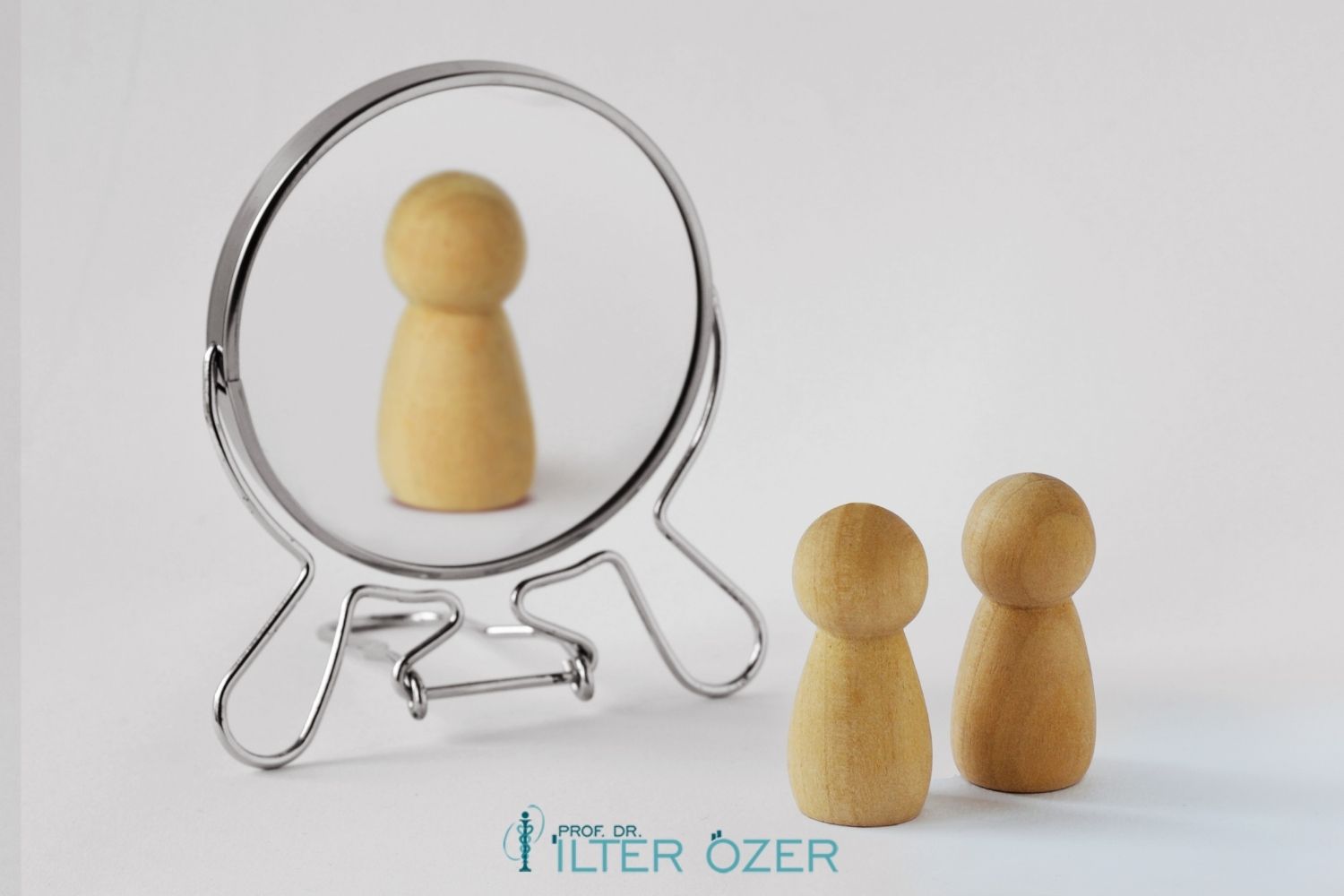
What Does Narcissist Mean? Symptoms of Narcissistic Personality Disorder
What does narcissist mean? Narcissism is a condition in which an individual experiences excessive self-admiration and exhibits certain negative behaviors stemming from this admiration. Narcissistic personality disorder often manifests with symptoms such as a lack of empathy, a tendency to manipulate others, and a constant search for approval, along with this excessive self-esteem. Narcissistic symptoms also include self-importance, intolerance to criticism, and a disregard for the feelings of others.
Narcissistic behavior can be harmful to both the individual and those around them. It's important to learn more about narcissistic personality disorder and become more aware of it. Remember, empathy and understanding are essential for healthy relationships. You can visit our website for more information.
What is narcissistic personality disorder?
What does narcissist mean? In short, it refers to a person's tendency to overvalue themselves and disregard others. Narcissistic personality disorder is characterized by a persistent feeling of being special, important, and superior to others. Individuals with this disorder often crave attention and admiration from others and may become angry or frustrated when these needs are not met. Narcissistic symptoms include behaviors such as constant self-praise, belittling of others, and an inability to tolerate criticism.
This can negatively impact individuals' social relationships and lead to a profound sense of loneliness. Narcissism is also linked to a lack of empathy, which causes narcissistic individuals to have difficulty understanding the emotions of others. Narcissistic personality disorder typically emerges in adolescence or young adulthood and can persist throughout an individual's life. Left untreated, narcissistic personality disorder can complicate relationships with both themselves and their surroundings. Therefore, it is important to recognize narcissistic behaviors early and seek professional help.
The effects of narcissistic personality disorder
The answer to the question of what a narcissist means affects not only an individual's self-perception but also their relationships with those around them. Individuals with narcissistic personality disorder often lack empathy for others, which can lead to significant problems in their relationships. Narcissistic individuals often tend to exploit others for their own gain. This leads to superficial relationships and an inability to form deep bonds. Narcissistic behavior can lead to difficulties in individuals' social circles and feelings of loneliness.
Furthermore, narcissistic individuals can be extremely sensitive to criticism, leading to constant conflict with those around them. Although narcissistic symptoms are often evident, these individuals may use various defense mechanisms to defend themselves. Consequently, narcissistic personality disorder is a complex condition that profoundly affects individuals' interactions with both themselves and others.
Core Behavioral Patterns of Narcissistic Individuals
The term "narcissist" is frequently encountered in psychology and is often used to describe individuals who exhibit excessive self-admiration, contempt for others, and a lack of empathy. Narcissistic personality disorder refers to a profound personality disorder in such individuals. Core behavioral patterns of narcissistic individuals often include self-importance, a constant demand for attention and admiration, and an intolerance to criticism.
These individuals may have difficulty understanding the feelings of others and empathizing, which can lead to difficulties in their social interactions. Narcissistic behavior often includes a tendency to manipulate others for their own gain. Narcissism is characterized by individuals' constant desire to prioritize themselves, which can lead to deep conflicts in relationships. Narcissistic individuals often view themselves as victims and tend to blame others. Consequently, communicating with individuals with narcissistic personality disorder and developing healthy relationships can be quite challenging.
Consequences of Narcissistic Individuals' Behavior
Individuals exhibiting narcissistic symptoms can have various negative consequences not only for themselves but also for those around them. Narcissistic individuals often disregard the emotional needs of others, resulting in a lack of empathy in relationships. Due to this lack of empathy, narcissistic individuals fail to understand or consider the feelings of others. This can lead to serious problems in social interactions such as friendships, romantic relationships, and family ties.
Narcissism is characterized by individuals' constant self-importance and demeaning of others. This type of behavior eventually damages their relationships with others. Furthermore, narcissistic individuals frequently resort to manipulating others, which can create psychological and emotional exhaustion in those around them. Narcissistic individuals are extremely poor at accepting criticism; therefore, they often respond with anger when they receive negative feedback. This can create insecurity and anxiety in those around them.
Consequently, narcissistic personality disorder reduces the individual's quality of life and also affects the psychological well-being of those around them. Therefore, it is important for those in relationships with narcissistic individuals to cope with this challenging situation by maintaining their boundaries and seeking professional support when necessary.
Lack of empathy and examples of manipulation
The question "what does narcissist mean?" is a frequently encountered term in the field of personality disorders. Narcissistic personality disorder is characterized by an excessive self-focus and difficulty understanding the emotions of others. Such individuals often exhibit a lack of empathy and tend to ignore the needs and feelings of others. For example, when a narcissist hears that a friend is going through a difficult time, they may prefer to talk about their own successes or problems instead.
This situation causes the narcissist to prioritize their own needs rather than understanding or supporting their friend's emotional distress. Narcissistic symptoms include behaviors such as constant approval-seeking, intolerance of criticism, and manipulation of others. These behaviors allow narcissistic individuals to feel superior and view others as inferior. For example, a narcissist may attempt to solidify their own position by constantly belittling their colleagues at work.
Such manipulations demonstrate a quest for power and control, often achieved through disregard for the feelings of others. Furthermore, narcissistic individuals often assume the victim role in their relationships and tend to blame others. This reflects their lack of empathy and can have a profound emotional impact on those around them.
The Effects of Narcissistic Behavior
Narcissistic behavior can have profoundly negative effects on individuals' social interactions. People with narcissistic personality disorder often exhibit an excessive sense of self-admiration, leading them to become insensitive to others. This can lead to constant conflict and communication breakdowns in relationships. Narcissistic individuals often want to play a dominant role in their relationships. Therefore, they often ignore their partner's emotional needs.
For example, when a narcissistic partner experiences an emotional problem, they may neglect to support their partner, instead focusing on their own work projects or achievements. Such behavior can make the other party feel worthless. Furthermore, due to their lack of empathy, narcissistic individuals are adept at manipulating others. Manipulation is an attempt to manipulate and control others to their liking, and it is often combined with emotional bullying.
In this context, narcissistic individuals often assume the victim role in their relationships, often resorting to blaming others. These behaviors negatively impact the psychological well-being of both the narcissist and those around them. Therefore, relationships with individuals with narcissistic personality disorder can be quite challenging and complex. Recognizing and dealing with narcissistic personality disorder is crucial for maintaining a healthy social life.
How is narcissism diagnosed?
What does narcissist mean? Narcissism is a personality disorder characterized by excessive self-admiration and insensitivity to others. Narcissistic personality disorder is characterized by a persistent need to self-aggrandize and a lack of sensitivity to the needs of others. Psychological evaluations and clinical interviews are typically used to diagnose this disorder. Expert psychologists examine the individual's behavior, thought patterns, and emotional states in detail.
Narcissistic symptoms include a constant need for attention, excessive sensitivity to criticism, and a belief in one's superiority over others. Such behaviors can negatively impact an individual's social relationships and make it difficult to establish healthy communication. Diagnosis takes into account the individual's attitudes and behaviors throughout their life; therefore, behaviors exhibited only temporarily may not be sufficient. Furthermore, specific standards and criteria are often used to confirm a diagnosis.
The diagnostic process should be taken with the utmost seriousness, as it can have a significant impact on an individual's overall psychological well-being and quality of life.
Narcissistic Personality Disorder and the Diagnostic Process
The diagnosis of narcissistic personality disorder is generally based on the DSM-5 (Diagnostic and Statistical Manual of Mental Disorders) criteria. These criteria help assess the extent to which an individual's narcissistic behaviors are prominent and how they impact their life. For a diagnosis, narcissistic behaviors, such as excessive self-admiration, lack of empathy for others, and constant validation-seeking, must be clearly present. Furthermore, the individual's difficulties in social relationships and their persistent nature are also taken into account.
The diagnostic process analyzes the impact of narcissism on the individual's life, taking into account the individual's past relationships, social interactions, and other personality traits. After a diagnosis is made, appropriate treatment options are determined. Therapy can help the individual better understand themselves and improve their relationships with others. This process allows the individual to develop a healthier attitude towards both themselves and those around them.
The Effects of Narcissists on Relationships
Narcissistic individuals often create a challenging dynamic in relationships. Such individuals' excessive self-admiration and insensitivity to others' feelings can hinder healthy relationships. Because individuals with narcissistic personality disorder tend to manipulate others, they can exert psychological pressure on their partners or those around them. This can inflict deep wounds, especially in individuals who are emotionally abused by narcissists who lack empathy.
Narcissistic behavior disrupts the balance of power within a relationship, often leading to one partner becoming perpetually dependent on the other. Furthermore, narcissists disregard the emotional needs of others and act solely in their own interests. This further complicates the relationship. Narcissism often undermines trust between partners, as narcissists may belittle or completely ignore the other person's feelings and thoughts. These negative effects can lead to the end of relationships or make them unbearable over time.
Core Behavioral Patterns of Narcissistic Individuals
The behavioral patterns of narcissistic individuals are often self-centered and self-centered. Such individuals attempt to impress others by exaggerating their own achievements and talents. Narcissistic symptoms include constant demand for praise, intolerance of criticism, and belittling of others. Narcissistic individuals often strive to establish dominance in relationships, and in this process, due to a lack of empathy, they can become insensitive to others. This hinders communication and undermines mutual understanding. Individuals with narcissistic personality disorder have difficulty understanding others' feelings.
Therefore, relationship problems often result in one party's emotional needs being ignored. Narcissism negatively impacts individuals' interactions with others and can also hinder their personal growth. Because narcissistic individuals tend to engage in emotional abuse in relationships, they cause psychological harm to their victims. Therefore, maintaining a healthy relationship with a narcissist is quite difficult, and maintaining the relationship often requires effort.
Ways to Cope with Narcissistic Individuals
Narcissistic personality disorder is a condition that causes individuals to overly prioritize themselves and disregard the needs of others. Recognizing these types of personalities is crucial for maintaining healthy relationships. Understanding the meaning of a narcissist and understanding their behavior can be a critical step in avoiding falling under their influence. Narcissistic individuals often exhibit distinct behaviors such as manipulating others, lacking empathy, and constant attention-seeking.
One of the most effective ways to deal with such individuals is to set boundaries. Setting clear and firm boundaries with them is key to healthy communication to protect your own emotional health. It's also important to increase your sensitivity to narcissists' behavior and avoid taking them personally. When necessary, distancing yourself from these relationships or ending the relationship altogether can also be a solution to protect yourself from exposure to them.
Focusing on your own needs and seeking support will help you cope with narcissistic individuals.
Ways to Cope with Narcissistic Behavior
Coping with narcissistic behavior can be challenging, but some strategies can make it more manageable. The first step is to thoroughly understand the signs and characteristics of a narcissist. To stand up to these individuals, it's essential to be prepared for their manipulative tactics. Maintaining emotional distance is highly beneficial in your interactions with narcissists. Narcissistic individuals often disregard the emotional states of others; therefore, instead of taking their attitudes personally, you should focus on maintaining your own boundaries.
Furthermore, limiting your interaction with narcissists will reduce your emotional burden. Support groups or professional counseling can help guide you through such challenging relationships. Remember, establishing a healthy relationship with someone who lacks empathy is often impossible. Therefore, prioritizing your own well-being and staying away when necessary may be the best option. Maintaining your self-esteem and focusing on healthy relationships are among the most effective ways to cope with narcissistic behavior.
Frequently Asked Questions
What does narcissist mean?
A narcissist is defined as someone who exhibits excessive self-love and disregard for others. Narcissism is a personality disorder characterized by traits such as a lack of empathy and self-admiration. Narcissistic individuals often experience relationship difficulties and tend to manipulate those around them.
What is narcissistic personality disorder?
Narcissistic personality disorder is a condition in which an individual exhibits an excessively self-centered attitude and disregards the feelings of others. Narcissistic individuals are self-admiring and constantly seek praise. This disorder negatively impacts a person's social relationships, leading to loneliness and depression.
What are the symptoms of a narcissist?
Symptoms of a narcissist include excessive self-confidence, indifference to others, constant demand for praise, intolerance of criticism, and a lack of empathy. Narcissistic individuals often view themselves as superior to others and, as a result, experience problems in their relationships. The presence of these symptoms may require consultation with a specialist.
How is narcissistic behavior recognized?
Narcissistic behavior typically manifests as self-importance, contempt for others, constant attention-seeking, and a lack of empathy. Narcissistic individuals often see themselves as the center of their lives and are insensitive to the needs of others. Such behavior can lead to conflict in social relationships.
What is a lack of empathy?
A lack of empathy is an individual's diminished ability to understand and share the feelings of others. This is a common condition among narcissistic individuals. This lack of empathy leads narcissists to experience relationship problems and manipulate others. A lack of empathy makes healthy communication difficult and can create feelings of loneliness.
How is narcissism treated?
Treatment for narcissism is usually through psychotherapy. Individuals can participate in self-discovery and empathy development with a therapist. The emotional issues underlying narcissistic behavior are addressed during the treatment process. However, the treatment process can be challenging, and the individual must accept this.
How to deal with narcissistic individuals?
When dealing with narcissistic individuals, setting boundaries and protecting your own emotional health are crucial. Being clear when communicating with such individuals, being mindful of manipulation, and maintaining distance when necessary are effective methods. It may also be helpful to seek professional help for support.
Who is affected by narcissistic personality disorder?
Narcissistic personality disorder typically begins in adolescence or young adulthood. It can be caused by a combination of genetic, environmental, and psychological factors. Narcissistic tendencies within the family or excessive praise can contribute to individuals developing this disorder. However, not everyone experiences it.
What are the effects of a narcissist?
Narcissistic individuals often have a negative impact on those around them. Due to their lack of empathy, they disregard the feelings of others and can lead to conflict in relationships. This can cause negative emotions such as stress, anxiety, and low self-esteem in those around them. Establishing healthy communication with narcissistic individuals is difficult.
Why are relationships with narcissists difficult?
Relationships with narcissists are challenging due to their lack of empathy, manipulation, and extreme self-centeredness. These individuals disregard the feelings of others and may exploit others for their own gain. This imbalance in relationships often results in emotional harm, weariness, and a lack of mutual understanding. Therefore, setting boundaries is important.