

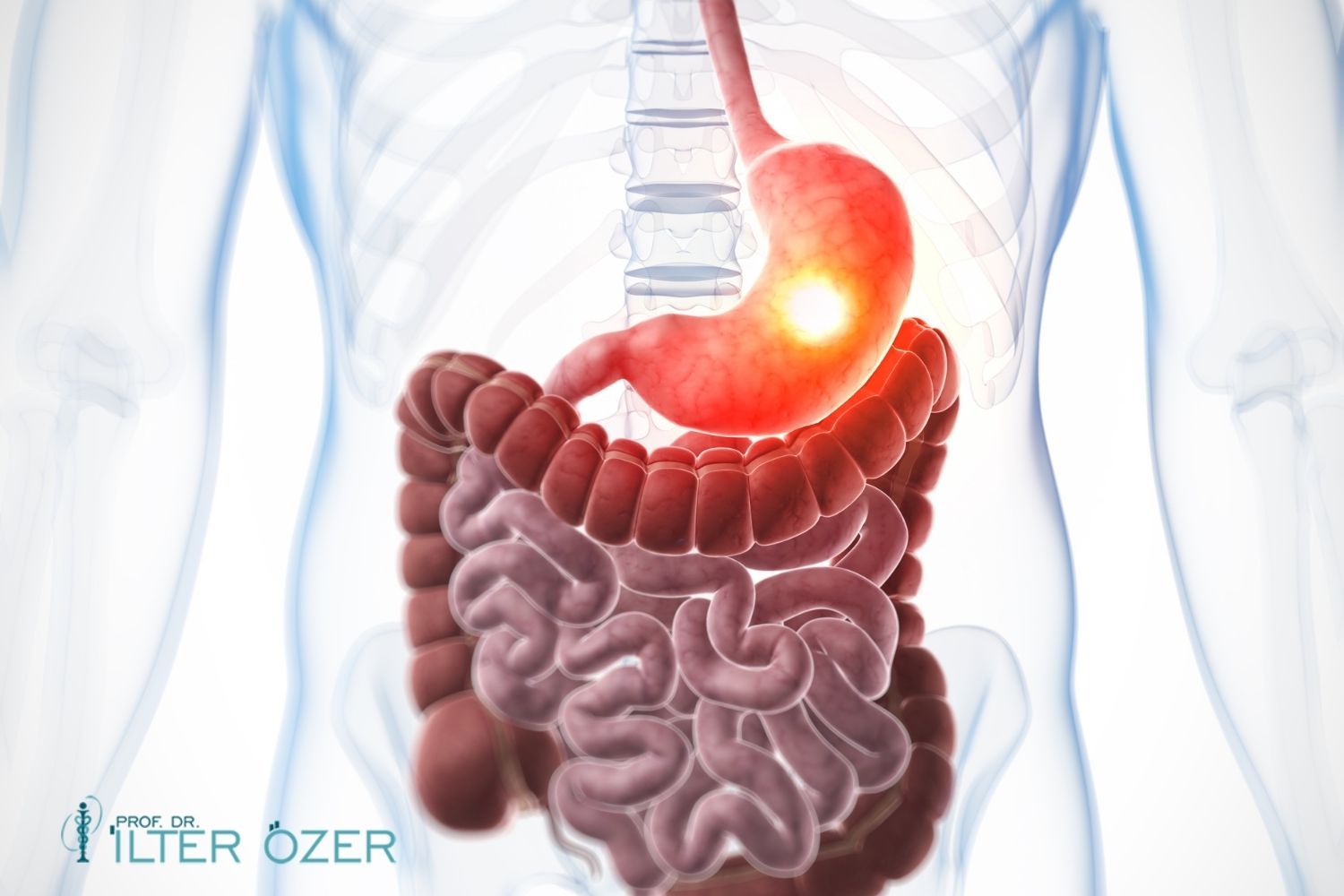
Stomach cancer is a very common type of cancer worldwide and can be caused by many different factors. The most notable cause of stomach cancer is infection with the bacterium Helicobacter pylori. This bacterium can cause inflammation in the lining of the stomach, paving the way for cancer development. Furthermore, genetic predisposition is associated with a family history of stomach cancer and can increase an individual's risk of developing the disease.
Smoking is also a significant risk factor for stomach cancer. Furthermore, unhealthy eating habits and the consumption of excessively salty and processed foods can contribute to the development of stomach cancer. The answer to the question of what causes stomach cancer depends on a combination of these factors. It is possible to reduce risk factors with a healthy lifestyle and regular health checkups. Remember to take informed steps to protect yourself and your loved ones.
Helicobacter Pylori Infection and Its Effects
One of the most prominent causes of stomach cancer is Helicobacter pylori infection. This bacterium causes inflammation in the stomach lining, which can alter the structure of the stomach in the long term. Helicobacter pylori infection is a common condition affecting many people worldwide and is particularly prevalent in developing countries. Along with conditions such as stomach ulcers and gastritis, this infection is also a significant risk factor for stomach cancer.
Research shows that the presence of Helicobacter pylori plays a critical role in the development of stomach cancer. The inflammation caused by this bacterium can damage the cell structure of the stomach and, over time, lead to carcinogenic changes. Therefore, the importance of Helicobacter pylori infection as a cause of stomach cancer cannot be overstated. Early diagnosis and appropriate treatment are crucial for preventing the serious health problems this infection can cause.
Regular checkups and adopting appropriate dietary habits for a healthy stomach can help reduce the effects of such infections.
Helicobacter Pylori and Gastric Cancer
Helicobacter pylori infection is one of the most important factors linked to stomach cancer. This bacterium colonizes the stomach wall, causing inflammation. Prolonged inflammation alters the cell structure of the stomach, increasing the risk of cancer. This infection, considered a cause of stomach cancer, becomes more dangerous, especially in individuals with a genetic predisposition. Diseases caused by the bacteria, such as gastritis and stomach ulcers, can lead to more serious problems over time.
In addition to Helicobacter pylori, stomach cancer risk factors include dietary habits, smoking, and alcohol consumption. When these factors combine, the risk of developing stomach cancer can significantly increase. Therefore, it is extremely important for individuals infected with Helicobacter pylori to have regular checkups with their doctor and follow the necessary treatment procedures to maintain their health. It is important to remember that early diagnosis and treatment are the most effective ways to prevent stomach cancer.
The Role of Familial Predisposition
Genetic factors play a significant role in the causes of stomach cancer. Individuals with a family history of stomach cancer are known to have a higher risk of developing this disease. Genetic predisposition begins with changes in an individual's cellular structure, and these changes can trigger the formation of cancer cells. Certain gene mutations, in particular, play a role in the development of stomach cancer.
For example, genetic predisposition, a risk factor for stomach cancer, combined with lifestyle and environmental factors, increases the likelihood of developing the disease. Having a family history of stomach cancer requires individuals to attend regular checkups and share their findings with their doctors. This allows for early diagnosis and preventative measures. Furthermore, genetic testing can help better understand these risk factors. Therefore, it is important to consider individuals' family history when investigating the causes of stomach cancer.
Genetic predisposition is not only an individual factor but also a public health concern. These risks can be minimized through family history, genetic counseling, and appropriate treatment methods.
Genetic Predisposition and Stomach Cancer
Genetic predisposition is considered a significant factor in the causes of stomach cancer. The presence of similar health problems among family members demonstrates the influence of genetic factors. For example, gene mutations in some families can increase an individual's likelihood of developing stomach cancer. Furthermore, environmental factors and lifestyle habits, which are among the risk factors for stomach cancer, when combined with genetic predisposition, further increase the risk of cancer.
It is recommended that individuals with a family history of stomach cancer undergo more frequent screening tests. Genetic testing allows individuals to better understand their risk and take the necessary precautions. Furthermore, developing healthy eating habits and engaging in regular physical activity in individuals with a family history plays a significant role in reducing the risk of developing cancer. Consequently, the effects of genetic predisposition should not be overlooked when investigating the causes of stomach cancer.
Awareness campaigns on this issue are crucial for protecting public health and making a difference in the fight against cancer.
The Relationship Between Smoking and Alcohol with Stomach Cancer
Smoking and alcohol consumption are significant risk factors for many types of cancer. The impact of these two habits is particularly significant in the cause of stomach cancer. Smoking damages the stomach mucosa, making it a high risk factor for stomach cancer. Nicotine and other harmful chemicals can lead to the abnormal growth of cells in the stomach wall. Alcohol, especially when consumed excessively, irritates the stomach lining, making it a significant factor in the development of stomach cancer.
Research shows that heavy alcohol consumption can increase the risk of developing stomach cancer. Furthermore, smoking and alcohol together can pose a greater risk than either alone. These two habits weaken the immune system and reduce the body's ability to fight cancer. Therefore, the impact of smoking and alcohol consumption among stomach cancer risk factors should not be ignored.
The Harms of Smoking on the Stomach
Smoking has significant negative effects on stomach health. The chemicals in cigarette smoke irritate the stomach lining, making it a risk factor for stomach cancer. Nicotine, in particular, increases stomach acid production, which can trigger stomach problems such as reflux and gastritis. This creates a long-term risk factor for stomach cancer. Furthermore, research has shown that smokers are more prone to genetic changes that lead to abnormal cell growth in the stomach.
Furthermore, smoking can increase the effects of Helicobacter pylori infection; this bacterium is associated with stomach ulcers and cancer. Therefore, smoking and alcohol consumption are significant causes of stomach cancer, and avoiding these habits is one of the most effective ways to maintain stomach health and reduce cancer risk. The Dangers of Processed Meat Consumption
Research on healthy eating today reveals that processed meat consumption plays a significant role in the cause of stomach cancer. Processed meats are food products that have been processed, often with salt, nitrates, and other preservatives. Frequent consumption of these types of meats can increase the risk of stomach cancer. Products such as sausage, salami, and pastrami, in particular, contain high levels of nitrates and nitrites, which can convert into carcinogenic compounds in the body.
Furthermore, some chemicals produced during the cooking of processed meats can trigger cancer development. Studies show that processed meat consumption is a risk factor for stomach cancer, and this risk increases with the amount consumed. Therefore, reducing processed meat consumption and reviewing dietary habits is crucial for a healthy lifestyle.
The Effects of Processed Meats on the Stomach
The significant role of processed meats in the cause of stomach cancer is related to the chemicals they contain. Processed meats are generally high in salt and preservatives. This can cause irritation to the stomach lining, which over time can lead to the development of cancer cells. Furthermore, some substances found in processed meats are thought to increase inflammation in the body. Inflammation can trigger cancer development by causing cell damage.
Furthermore, some components formed during the digestion of processed meats can accelerate cancer formation by damaging DNA. Research on dietary habits, in particular, strengthens the link between processed meat consumption and stomach cancer. Therefore, limiting the consumption of such foods can be an important step in reducing the risk of stomach cancer.
The Long-Term Effects of Reflux and Chronic Gastritis
Reflux and chronic gastritis are among the significant conditions that negatively affect stomach health. Reflux is a condition caused by stomach acid flowing back into the esophagus and can lead to long-term damage to the stomach lining. Chronic gastritis, on the other hand, is inflammation of the stomach lining and is often associated with bacterial agents such as Helicobacter pylori infection. These two conditions can increase the risk of stomach cancer over time.
Reflux and chronic gastritis are linked to the overproduction of stomach acid and the weakening of the stomach's protective lining. These conditions, especially if left untreated, are considered stomach cancer risk factors. Long-term acid exposure can cause changes in stomach cells, posing a risk of cancer. Furthermore, the inflammation associated with chronic gastritis can lead to cellular changes and promote cancer development.
Therefore, it is extremely important for patients with reflux and chronic gastritis to have regular checkups and follow their doctor's recommendations.
Reflux and Chronic Gastritis Treatment Methods
Treatment for reflux and chronic gastritis varies depending on the severity and cause of the disease. Lifestyle changes, dietary adjustments, and medication are generally recommended during the treatment process. Changes in eating habits, in particular, play a significant role in managing symptoms. Avoiding acidic and spicy foods, maintaining regular mealtimes, and reducing the consumption of excessively fatty foods can improve stomach health. Additionally, stress management and regular exercise are also factors that positively impact stomach health.
Medications used to treat reflux include antacids, proton pump inhibitors, and H2 receptor antagonists. For chronic gastritis, antibiotic treatment is necessary if Helicobacter pylori infection is present. In addition to all these treatment methods, it is extremely important for patients to attend regular checkups with their doctor and carefully monitor their symptoms for the causes of stomach cancer. It is important to remember that early diagnosis and treatment are critical for maintaining stomach health and preventing the development of cancer.
Lifestyle Factors in the Development of Stomach Cancer
Stomach cancer is one of the most common types of cancer worldwide, and many factors play a role in its development. Genetic predisposition, environmental factors, and lifestyle habits, in particular, are prominent causes of stomach cancer. Among these factors, factors known as stomach cancer risk factors, can increase an individual's likelihood of developing the disease.
For example, unhealthy eating habits, excessive consumption of processed foods, and inadequate fruit and vegetable intake are significant factors that increase the risk of stomach cancer. Furthermore, Helicobacter pylori infection can trigger the development of cancer by causing inflammation in the stomach lining. Therefore, it is crucial for individuals to review their dietary habits and make healthy choices. Furthermore, the influence of hereditary factors, such as genetic predisposition, in some individuals should not be overlooked.
The Importance of Dietary Habits
Dietary habits play a significant role in the causes of stomach cancer. High-salt foods and smoked or processed meats are among the factors that increase the risk of stomach cancer. Research on the dangers of processed meat consumption, in particular, indicates that regular consumption of these foods is associated with the development of cancer. Furthermore, not consuming sufficient amounts of fresh vegetables and fruits can weaken the body's immune system and reduce its resistance to disease.
Furthermore, the link between smoking and stomach cancer should be considered. The risk of stomach cancer increases significantly in individuals who smoke. Therefore, maintaining a healthy lifestyle and minimizing these risk factors is critical to preventing the development of stomach cancer. Creating a careful diet, increasing physical activity, and avoiding harmful habits will be extremely beneficial in this regard.
Frequently Asked Questions
What causes stomach cancer?
Stomach cancer usually develops as a result of the interaction of multiple factors. Causes of stomach cancer include genetic predisposition, dietary habits, various infections, particularly Helicobacter pylori, smoking, and excessive alcohol consumption. The combination of these factors can lead to abnormal growth of stomach cells.
How does Helicobacter pylori cause stomach cancer?
Helicobacter pylori is a bacterium that infects the stomach lining, and long-term infection can lead to inflammation and damage to the stomach. This increases the risk of stomach cancer over time. If Helicobacter pylori is not treated effectively, the likelihood of developing cancer can increase. Therefore, regular health checkups are important.
What are the risk factors for stomach cancer?
Risk factors for stomach cancer include genetic predisposition, dietary habits, smoking, and excessive alcohol consumption. Excessive consumption of salty and processed foods can also increase the risk. Additionally, conditions such as stomach polyps and gastritis can also contribute to the development of stomach cancer. These factors should be considered.
How does genetic predisposition affect the risk of stomach cancer?
Genetic predisposition is a significant factor that increases the risk of stomach cancer. Individuals with a family history of stomach cancer are more likely to develop the disease. This can be linked to genetic mutations and familial cancer syndromes. Genetic similarities among family members play a critical role in the development of stomach cancer.
What is the relationship between smoking and stomach cancer?
Smoking has been linked to many types of cancer, including stomach cancer. Smokers increase their risk of cancer due to the stomach's exposure to harmful substances. Furthermore, smoking can affect blood flow to the stomach and weaken the immune system, which is a contributing factor in the development of stomach cancer. Quitting smoking can reduce the risk.
How do dietary habits affect stomach cancer?
Diet habits play a significant role in the development of stomach cancer. Consuming excessively salty, processed, and smoked foods can increase the risk of stomach cancer. Furthermore, a diet rich in fruits and vegetables may provide protective effects. Adopting healthy eating habits can reduce the risk of stomach cancer.
What are the symptoms of stomach cancer?
Stomach cancer symptoms are often mild and vague at first. However, in later stages, symptoms such as loss of appetite, weight loss, nausea, vomiting, abdominal pain, and digestive problems may occur. Caution is advised as these symptoms can be confused with other digestive issues. Early diagnosis increases the effectiveness of treatment.
What are the treatment methods for stomach cancer?
Stomach cancer treatment methods include surgery, chemotherapy, and radiotherapy. Surgery aims to remove cancerous tissue. Chemotherapy and radiotherapy target cancer cells and try to stop their growth. The treatment method is determined by the patient's general health and the stage of the cancer.
What are the ways to prevent stomach cancer?
Ways to prevent stomach cancer include a healthy diet, regular exercise, and reducing smoking and alcohol consumption. Furthermore, treating Helicobacter pylori infection is important for maintaining stomach health. Regular health checkups and screening tests can help reduce the risk and enable early diagnosis.
Why is early diagnosis of stomach cancer important?
Early diagnosis of stomach cancer increases the chance of success in treatment. When the disease is detected in its early stages, treatment options are more comprehensive and the patient has a higher chance of recovery. Regular checkups and paying attention to symptoms are essential for early diagnosis. Therefore, it's crucial to maintain good stomach health and get the necessary tests.