

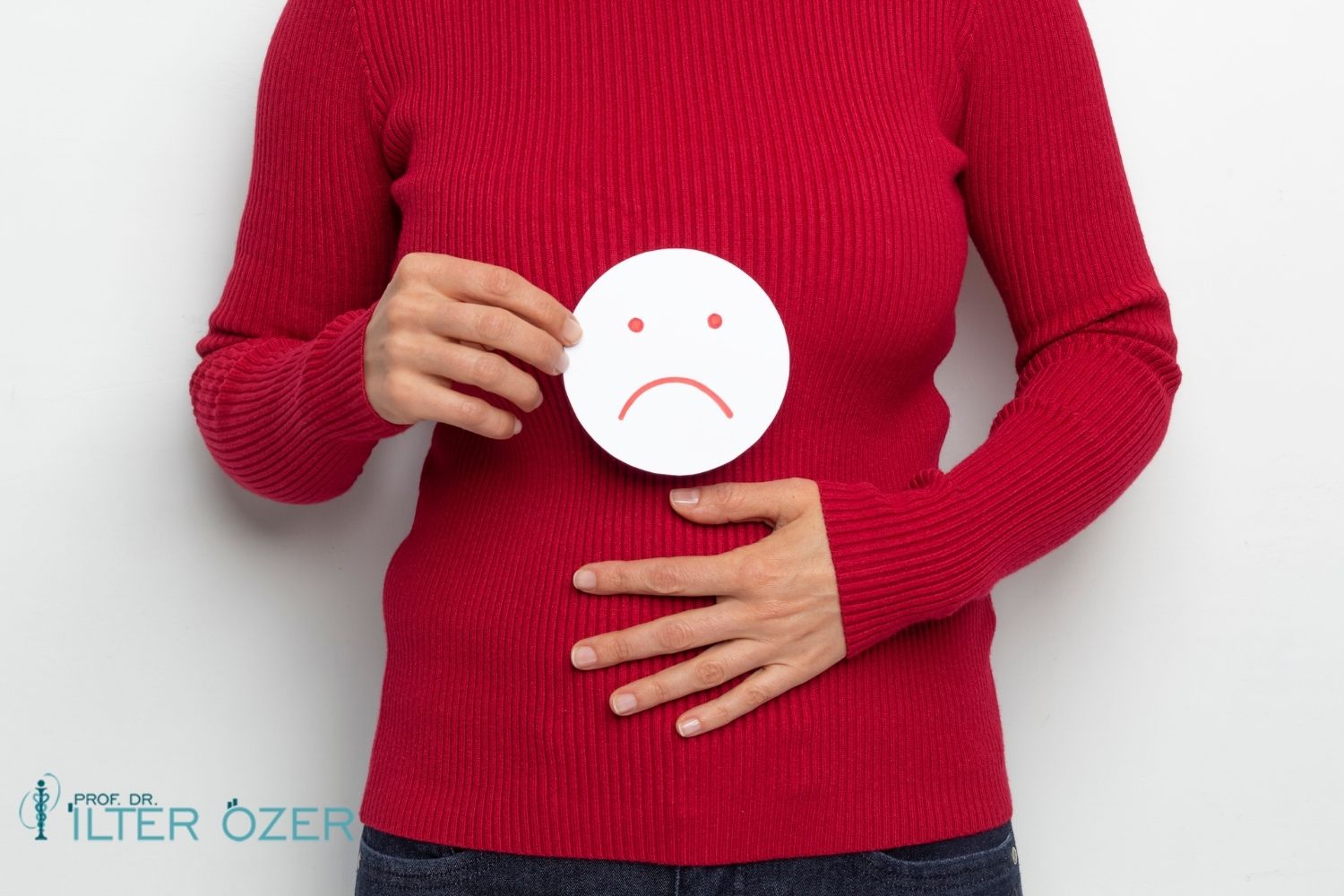
Heartburn is a common discomfort experienced by many people and is often associated with increased stomach acid. So, what causes heartburn? Why does stomach acid increase? Factors such as stress, poor eating habits, and excessive alcohol consumption can trigger stomach problems and discomfort. Reflux also causes stomach acid to flow back into the esophagus. Stomach-protective medications can help prevent such problems. It's important for individuals experiencing heartburn to review their diet and seek professional support when necessary.
Take care of your stomach health for a healthy life!
The Relationship Between Stomach Acid and the Digestive System
Heartburn is an uncomfortable condition experienced by many people today. The cause of heartburn is a question many people are curious about. Let's begin by asking why stomach acid increases. Stomach acid is an important part of the digestive process. The stomach produces acid when digesting food; however, overproduction of this acid or stomach valve problems can lead to stomach problems.
The stomach valve is a structure located in the upper part of the stomach that prevents acid from refluxing into the esophagus. If this valve is not functioning properly, acid can pass into the esophagus, causing a burning sensation. Additionally, certain foods and beverages can cause increased stomach acid. Spicy foods, alcohol, and caffeine can trigger this condition. Increased stomach acid can also be a sign of conditions such as reflux and gastritis.
Therefore, it is important to consult a healthcare professional if you experience heartburn.
What Causes Increased Stomach Acid?
The answer to the question of what causes heartburn is generally related to increased stomach acid. To answer the question of why stomach acid increases, several factors need to be considered. First, stress is a significant factor in increased stomach acid. Stressful situations can cause the body to produce more acid. Additionally, certain medications can increase stomach acid. Painkillers and anti-inflammatory medications, in particular, can irritate the stomach lining and trigger acid production.
Additionally, overeating or eating quickly can also lead to stomach discomfort. In other words, our eating habits have a direct impact on our stomach health. Stomach-protective medications can be used to prevent such problems, but it's important to use them only under a doctor's recommendation. Heartburn negatively impacts quality of life, and therefore, it's important to take the necessary precautions and initiate treatment when symptoms are observed.
Gastric Valve Problems
Heartburn is a common ailment that negatively impacts many people's daily lives. One of the main causes of this condition, which can occur especially after eating, is related to the gastric valve. The gastric valve is a structure located between the stomach and the esophagus that prevents stomach contents from returning upwards. However, if this valve malfunctions, the question of what causes heartburn arises.
Problems with the gastric valve can allow the acidic contents of the stomach to flow into the esophagus, increasing the burning sensation. This condition is also considered a cause of reflux. Gastric valve problems are often caused by factors such as overeating, consuming fatty or spicy foods, alcohol consumption, and obesity. These factors facilitate the reflux of stomach acid into the esophagus, providing an answer to the question of why stomach acid increases.
To manage stomach valve problems, it's important to develop healthy eating habits and avoid overeating. Furthermore, regular exercise and avoiding stress can also positively impact stomach health.
Symptoms of Gastric Valve Problems
Gastric valve problems often present with uncomfortable symptoms. The most common of these is the burning sensation that occurs after eating, which raises the question of what causes heartburn. Symptoms such as chest tightness, a bitter taste in the mouth, throat irritation, and difficulty swallowing may also occur. These symptoms indicate that the stomach valve is not functioning properly and that acidic material is refluxing into the esophagus. In this case, many people experience discomfort due to stomach problems.
Symptoms, especially those that occur at night, can negatively impact sleep quality. Treatment for gastric valve problems begins with a consultation with a specialist and an evaluation of the symptoms. The doctor will consider the patient's past health history and recommend appropriate diagnosis and treatment methods. Treatment may include stomach-protective medications, dietary changes, and lifestyle recommendations. This helps maintain stomach health and manage stomach discomfort.
Effects of Reflux and Gastritis
The question of what causes heartburn is crucial for understanding the underlying causes of heartburn, a condition experienced by many people. Heartburn is often associated with stomach discomfort and indicates that the digestive system is not functioning properly. Stomach acid plays a critical role in digesting food, but excess acid production raises the question of why stomach acid increases. Reflux is a condition characterized by the reflux of stomach acid into the esophagus, causing a burning sensation.
Gastritis, on the other hand, is an inflammation of the lining of the stomach, which can lead to heartburn. Stress, eating habits, and certain medications are among the triggers of these conditions. Gastro-protective medications play an important role in treating these conditions. Maintaining a balanced stomach acid balance is essential for a healthy digestive system, so it's important to follow your doctor's recommendations for managing stomach problems.
Factors That Trigger Heartburn
The answer to the question of what causes heartburn depends on the combination of many factors. Firstly, the most common cause of reflux is a malfunctioning stomach valve. A burning sensation occurs when stomach contents back up into the esophagus. Gastritis, caused by inflammation of the stomach, causes a similar discomfort, which can increase acid production and cause heartburn. Additionally, certain foods and beverages, particularly spicy foods, acidic beverages, and alcohol, can contribute to increased stomach acid.
Medications can also exacerbate stomach discomfort; painkillers and some anti-inflammatory medications, in particular, can irritate the stomach lining. Stress, on the other hand, increases the body's acid production, leading to stomach problems. Therefore, it is important for individuals experiencing heartburn to review their lifestyles and implement appropriate treatment methods.
The Role of Stress on the Stomach
The challenges of today's lifestyle can trigger stomach discomfort, a common problem. The question of what causes heartburn, in particular, is a topic many people seek answers to. Stress is a significant factor that can negatively impact the digestive system. During stressful periods, the hormones released by the body can lead to increased stomach acid, leading to stomach problems. While stomach acid plays a crucial role in the digestive process, excessive amounts can irritate the stomach lining.
This can be a contributing factor to reflux, leading to heartburn and discomfort. Furthermore, under the influence of stress, people often turn to unhealthy eating habits, which can worsen the condition. The effects of stress can affect not only our emotional but also our physical health. Therefore, the role of stress in the answer to the question of why stomach acid increases should not be overlooked. Long-term treatment for these conditions should be considered in conjunction with stress management.
Other Factors That Trigger Heartburn
While stress is a key factor in the question of what causes heartburn, there are also many other triggers. For example, certain foods can cause increased stomach acid. Spicy foods, acidic beverages, and excessive caffeine consumption can irritate the stomach lining, increasing the burning sensation. Additionally, certain medications can also cause stomach discomfort. Medications such as anti-inflammatory drugs and aspirin, in particular, weaken stomach-protective properties. Furthermore, lying down immediately after eating can exacerbate stomach valve problems and trigger reflux symptoms.
It's important for individuals experiencing stomach discomfort to manage these triggers. A healthy diet and stress management can be effective in managing stomach problems. Therefore, lifestyle changes are essential to maintain stomach health.
Medications and Foods That Cause Heartburn
The question of what causes heartburn is a common one for many people. Heartburn is usually caused by stomach acid refluxing into the esophagus, causing an uncomfortable burning sensation. The answer to the question of why stomach acid increases often lies in dietary habits and lifestyle. Fatty and spicy foods, alcohol, caffeine, and acidic beverages, in particular, can increase stomach acid and, consequently, heartburn. Furthermore, some medications can reduce the stomach-protective effect, contributing to this condition.
Nonsteroidal anti-inflammatory drugs, especially aspirin and ibuprofen, can irritate the stomach lining, leading to stomach problems. Furthermore, a stressful lifestyle plays a significant role in increased stomach acid. Stress can increase stomach acid production, which is considered a cause of reflux. Therefore, paying attention to dietary habits and managing stress are crucial for managing stomach discomfort.
Foods That Cause Heartburn
Eating habits are one of the biggest determinants of heartburn. Certain foods, in particular, can increase stomach acid and trigger a burning sensation. Fatty and heavy meals hinder digestion, leading to increased stomach acid. Spicy foods can also irritate the stomach lining. Furthermore, caffeinated beverages, acidic fruits, and alcohol can increase stomach acid levels, leading to conditions like reflux. Probiotics and fiber-rich foods, which have a stomach-protective effect, play an important role in maintaining stomach health.
These foods can help maintain balance in the digestive system and reduce the risk of heartburn and other stomach discomfort. Therefore, establishing a healthy and balanced diet is crucial for maintaining stomach health.
Diagnosis and Treatment Process
The question of what causes heartburn has become a common problem for many people. Heartburn typically occurs when the acidic contents of the stomach leak back into the esophagus. This condition is associated with a number of stomach problems. In particular, understanding why stomach acid increases helps us understand one of the root causes of this condition. Increased stomach acid is often caused by factors such as poor eating habits, excessive alcohol consumption, or stress.
Gastroprotective medications can help balance stomach acid. The treatment process varies depending on the patient's condition. Doctors generally determine the most appropriate treatment method by considering the patient's symptoms and lifestyle. The causes of reflux also play a significant role in this process. Reflux is a condition characterized by stomach acid leaking into the esophagus and is frequently seen in individuals who experience frequent heartburn.
Early diagnosis and appropriate treatment play a significant role in improving the quality of life of patients with stomach disorders.
Diagnostic Methods
The diagnostic process for heartburn and other stomach disorders typically begins with a detailed examination of the patient's symptoms. The doctor will listen to the patient's complaints, perform a physical examination, and, if necessary, order some tests. Methods such as blood tests, endoscopy, and stomach acid measurement may be used to determine the cause of heartburn. Endoscopy allows the doctor to directly observe the stomach's internal structure and helps identify conditions such as stomach valve problems.
Additionally, the patient may be asked to discuss lifestyle changes to learn more about the causes of reflux and stomach problems. The information obtained during the diagnostic process plays a critical role in determining appropriate treatment options. Treatment options for heartburn include dietary changes, lifestyle modifications, and medication. Surgery may also be considered if necessary. This process is crucial for the patient's health.
Frequently Asked Questions
What causes heartburn?
Heartburn is usually caused by stomach acid refluxing into the esophagus. This, combined with increased stomach acid, can lead to reflux disease. Additionally, stress, poor eating habits, and certain medications can also trigger heartburn. Therefore, paying attention to your diet and managing stress is important.
Why does stomach acid increase?
Increased stomach acid is often associated with habits such as consuming certain foods, excessive alcohol or caffeine intake, and smoking. Additionally, stress and anxiety can also cause increased stomach acid. These effects can predispose to stomach problems and trigger discomfort such as heartburn.
How can stomach problems be prevented?
Embracing a healthy lifestyle is crucial to preventing stomach problems. A balanced diet, regular exercise, and employing stress management techniques support stomach health. Furthermore, avoiding excessively spicy and fatty foods can be effective in reducing stomach discomfort.
What are the causes of reflux?
Reflux can occur due to a combination of factors. Increased stomach acid, obesity, pregnancy, smoking, and excessive alcohol consumption are among the causes of reflux. Certain medications and anatomical conditions such as a hiatal hernia can also trigger reflux. This can lead to heartburn and other discomforts.
What do stomach-protective medications do?
Stomach-protective medications help prevent discomfort by reducing the effects of stomach acid. By protecting the stomach lining, these medications can prevent the development of conditions such as heartburn and ulcers. They should be used with a doctor's advice, and side effects should be considered. For long-term use, medical supervision is important.
What foods trigger heartburn?
Excessively spicy, acidic, or fatty foods can trigger heartburn. Tomato sauces, citrus fruits, chocolate, caffeinated beverages, and alcohol, in particular, can cause increased stomach acid. Therefore, it is recommended that individuals experiencing heartburn avoid these foods.
How are stomach disorders treated?
Treatment for stomach disorders depends on the cause. Lifestyle changes, dietary adjustments, and medications prescribed by a doctor are usually part of the treatment process. Stress management and regular exercise are also important factors that support stomach health.
How does stress affect heartburn?
Stress can increase stomach acid, which can lead to heartburn. When the body is under stress, the digestive system is negatively affected. This can cause the stomach muscles to relax, allowing acid to back up into the esophagus. Stress management is crucial for maintaining stomach health.
What are some natural home remedies for heartburn?
Some natural remedies can be used at home to relieve heartburn. Natural products such as ginger tea, chamomile tea, or apple cider vinegar can help balance stomach acid. Eating small but frequent meals and staying upright after meals are also effective ways to reduce heartburn. However, these methods may not have the same results for everyone.
When should I see a doctor for heartburn?
If heartburn is frequent and affecting your daily life, it's important to consult a doctor. Also, if you experience symptoms such as difficulty swallowing, weight loss, or bleeding, you should seek immediate medical attention. Your doctor will evaluate your condition and provide appropriate treatment and guidance.