

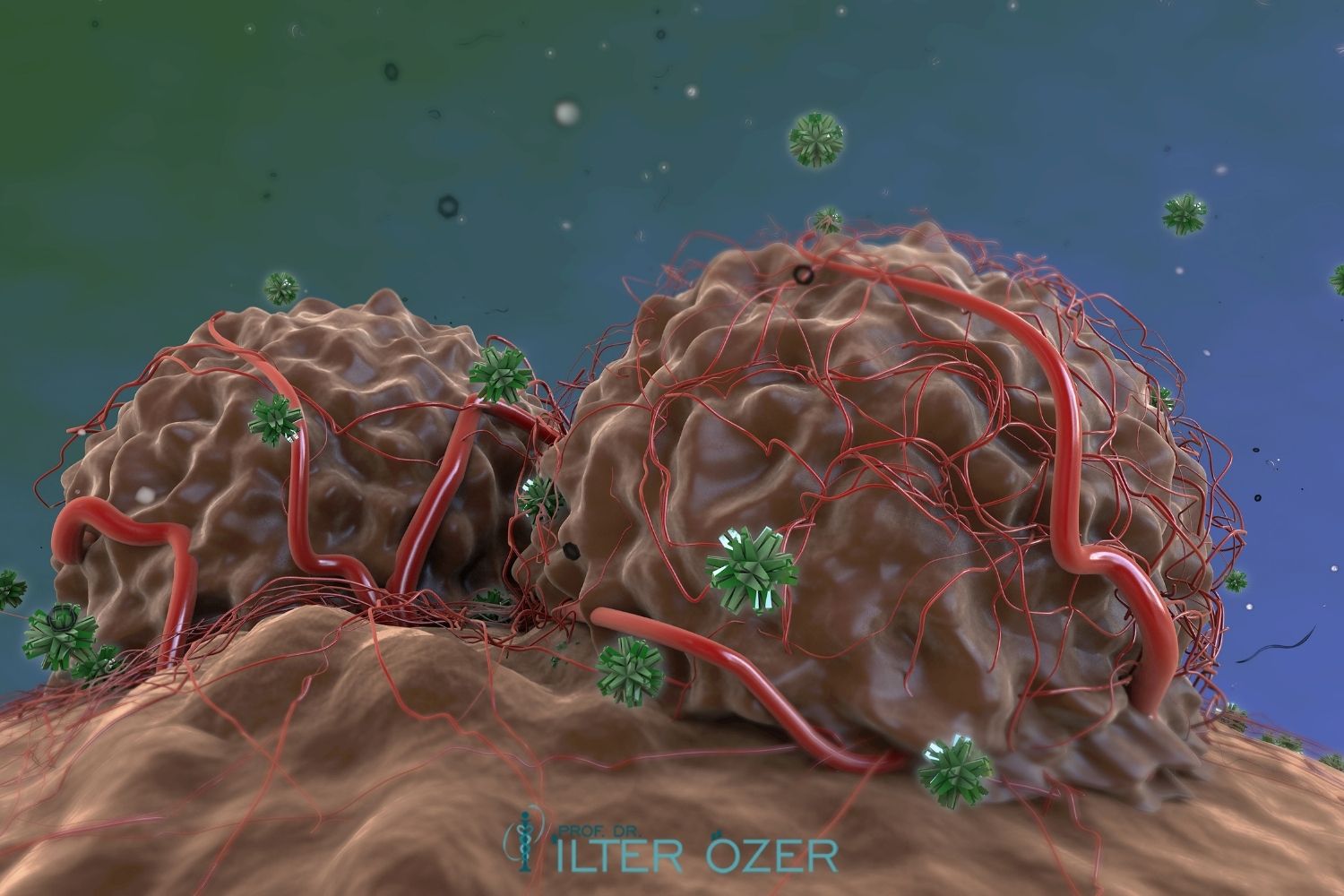
A tumor in the head of the pancreas is often one of the most common forms of pancreatic cancer. Pancreatic head masses can cause serious health problems if not diagnosed early. Because these tumors have the potential to spread to surrounding tissues, the treatment process is crucial for patients. A Whipple's indication is considered when surgical removal of such tumors is necessary. While early signs are often vague, when certain symptoms appear, medical intervention becomes critical.
Don't forget to schedule regular checkups to avoid risking your health. Remember, early diagnosis saves lives!
What is a Pancreatic Head Tumor?
A pancreatic head tumor is an abnormal cell growth that occurs in the head of the pancreas. The pancreas is an important organ that produces digestive enzymes and hormones. Tumors in the head of this organ are usually malignant (cancerous) and can cause serious health problems if not diagnosed early. Pancreatic head masses can grow without symptoms, and patients often continue to live without awareness of their presence.
Because the symptoms of tumors in the head of the pancreas can be confused with other digestive problems, the diagnosis process can be challenging. The most common type of pancreatic head tumor is pancreatic adenocarcinoma. These tumors originate from cells located on the outer surface of the pancreas and often spread rapidly, damaging surrounding tissues. Pancreatic head tumors can cause symptoms such as jaundice, weight loss, abdominal pain, and digestive disorders.
These symptoms can vary depending on the tumor's size, location, and the patient's general health. Early diagnosis and treatment can positively impact the course of the disease, so regular medical checkups and careful monitoring are important.
Diagnostic Methods for Pancreatic Head Tumors
Pancreatic head tumors are usually diagnosed through imaging techniques and biopsy. Methods such as ultrasound, CT (computed tomography), and MRI (magnetic resonance imaging) help determine the location and size of pancreatic head masses. These imaging methods also allow doctors to assess the tumors' effects on surrounding tissues. A biopsy is a critical step in confirming the diagnosis; during this procedure, a tissue sample is taken from the tumor and sent for pathological examination.
Determining whether the tumor is malignant plays a crucial role in developing a treatment plan. Furthermore, by determining the genetic characteristics of tumors, more targeted treatment methods can be developed. The stage and extent of spread of the tumor are crucial in determining treatment options. Therefore, a detailed evaluation by a multidisciplinary team helps select the most appropriate treatment method. Early diagnosis can help control the disease, and regular patient follow-up is essential during this process.
Relationship Between Symptoms and Jaundice
A pancreatic head tumor is a mass that develops in the head of the pancreas and is usually malignant. One of the most prominent symptoms of such tumors is jaundice. Jaundice occurs as a result of the accumulation of a substance called bilirubin in the body's tissues and skin. Normally, the liver processes bilirubin and excretes it in bile. However, if a mass is present in the head of the pancreas, it can cause a blockage of the biliary tract.
The obstruction blocks bile flow, causing the symptoms of jaundice. Jaundice typically manifests with symptoms such as a yellowish discoloration of the skin, yellowing of the whites of the eyes, and dark urine. However, because these tumors often have no obvious symptoms in their early stages, patients are often diagnosed in advanced stages. In advanced stages, other symptoms such as abdominal pain, weight loss, loss of appetite, and digestive problems may also occur.
Therefore, it is important for individuals diagnosed with a pancreatic head tumor to pay attention to these symptoms in addition to jaundice. Furthermore, if jaundice appears, it is important to seek immediate medical attention, as it can be a sign of serious health problems.
Diagnosis and Significance of Pancreatic Head Tumors
Jaundice caused by an obstruction can be an important clue in the diagnosis of a pancreatic head tumor. However, jaundice alone is not sufficient to make a diagnosis. Therefore, patients should undergo a thorough evaluation. A pancreatic head mass can usually be diagnosed using imaging methods such as ultrasound, computed tomography (CT), and magnetic resonance imaging (MRI). These methods help determine the tumor's size, location, and relationship to surrounding structures.
More invasive methods such as endoscopic ultrasound may also be used. A biopsy may also be necessary to determine the tumor's characteristics. A biopsy involves removing a small tissue sample to examine tumor cells. All these imaging and diagnostic methods are critical in determining the stage of the disease and selecting appropriate treatment options. The Whipple stage is an important factor in determining whether surgical intervention is necessary for such tumors.
In addition to surgery, a multidisciplinary approach is used to review the patient's condition and treatment options. Consequently, early diagnosis of a pancreatic head tumor offers a significant advantage in the treatment process and can improve the patient's quality of life.
Imaging and Diagnostic Methods
A pancreatic head tumor can be defined as an abnormal cell growth in the head of the pancreas. While these tumors are generally considered malignant (cancerous), they can sometimes be benign (benign). A variety of imaging and diagnostic methods are required to make an accurate diagnosis. These include ultrasound, computed tomography (CT), and magnetic resonance imaging (MRI). Ultrasound is a simple, initial method and can be effective in detecting the presence of masses.
However, CT and MRI are more effective options for detailed evaluation of pancreatic head masses. CT clearly shows the tumor's size, location, and impact on surrounding tissues, while MRI provides more detailed images of soft tissues. These imaging methods help doctors assess the patient's condition and develop an appropriate treatment plan. These tests can also monitor the characteristics of the masses, known as pancreatic head masses, and the potential for metastasis.
Blood tests also play an important role in the diagnostic process; levels of certain markers can provide information about pancreatic diseases. Consequently, a multidisciplinary approach and the combined use of various imaging techniques are necessary to accurately diagnose pancreatic head tumors.
The Importance of Imaging Methods
Imaging methods play a critical role in the diagnosis of pancreatic head tumors. Each of these methods has its own advantages and limitations. For example, ultrasound is non-invasive and provides information quickly without harming the patient. However, image quality may be compromised, especially in conditions such as obesity. Computed tomography, on the other hand, offers higher resolution, allowing for detailed examination of tumors. However, these methods carry risks related to radiation exposure.
Magnetic resonance imaging provides the best results in soft tissue imaging but can be more expensive. Furthermore, imaging methods can be used to identify indications for a Whipple procedure. The Whipple procedure is a frequently preferred surgical approach in the treatment of pancreatic head tumors, and establishing an accurate diagnosis is crucial in determining the necessity of this type of surgery. Consequently, these imaging methods play an important role in planning and monitoring patient treatment.
When is a Whipple Surgery (Pancreaticoduodenectomy) Required?
A pancreatic head tumor is a type of tumor that typically occurs in the head of the pancreas and can cause serious health problems. These tumors are usually malignant and may not cause symptoms in the early stages. However, as they grow, patients may begin to experience various symptoms. Pancreatic head masses typically present with symptoms such as jaundice, weight loss, and abdominal pain. These symptoms can vary depending on the tumor's size and location.
Methods used to diagnose the tumor include imaging techniques, biopsy, and blood tests. Once a tumor is detected, a multidisciplinary approach is adopted by a specialist team when developing a treatment plan. Indications for a Whipple surgery include the tumor being located in the head of the pancreas, the tumor not having spread to adjacent organs, and assessing the patient's general health condition to determine if the surgery is appropriate. Postoperative follow-up is also crucial to monitor the patient's condition.
Pancreatic Head Tumor Surgery
The Whipple Surgery (or pancreaticoduodenectomy) performed for pancreatic head tumors is generally considered the most effective method for surgically removing the tumor. This surgery involves removing the head of the pancreas, the duodenum, and sometimes the gallbladder. Before surgery, the patient's general health is thoroughly evaluated. During surgery, the extent of the tumor's spread and its impact on surrounding tissues are assessed, aiming to achieve the best possible results.
Postoperative recovery may vary depending on the patient's age, general health, and the extent of the surgery. Factors such as diet, pain management, and psychological support should also be considered during the treatment process for pancreatic head tumors. Regular postoperative follow-up is important to monitor the patient's condition to reduce the risk of recurrence. Additionally, additional treatment methods may be applied depending on the type of tumor, so treatment should be individualized.
Treatment Options and Multidisciplinary Decision
A pancreatic head tumor is a tumoral lesion that occurs in the head of the pancreas and is usually malignant (cancerous). Such tumors can cause complications that can seriously affect patients' quality of life. A pancreatic head mass is usually diagnosed based on the patient's symptoms and imaging studies. Treatment options and a multidisciplinary approach are crucial in this regard. The treatment plan for pancreatic head tumors varies depending on the tumor's size, stage, and the patient's general health.
Surgery, typically a Whipple procedure (pancreaticoduodenectomy), is the first-line treatment. However, certain indications must be met for this surgery. The patient's general condition, tumor location, and metastasis are all considered in the decision-making process. A multidisciplinary team comprised of oncology, surgery, radiology, and pathology specialists works together to determine the most appropriate approach to treating pancreatic head tumors. The patient's psychological state and social support mechanisms should also be considered during the treatment process.
Therefore, patients' sense of belonging during the treatment process can positively impact their recovery.
Treatment Approaches Based on the Patient's Condition
During the treatment process, factors such as the patient's general health, tumor stage, size, and metastasis play a significant role in determining the treatment plan. For example, if a pancreatic head tumor is detected and the tumor is localized and surgically resectable, the Whipple surgery is the most effective option. However, if the tumor exhibits metastatic features, adjuvant treatments such as chemotherapy and radiotherapy may also be considered.
The patient's psychological state, compliance with treatment, and overall quality of life should be considered in developing the treatment plan. The multidisciplinary team takes the necessary steps to support the patient at every stage. Furthermore, informing the patient about follow-up, postoperative monitoring, and potential complications is also crucial. In this context, the indications for Whipple and the details of the treatment process should be communicated transparently throughout the treatment process.
Ultimately, a successful approach to pancreatic head tumor treatment is possible through a multidisciplinary decision-making process that takes the patient's individual characteristics into account.
Surgical Risks and Post-Operative Follow-Up
Pancreatic head tumors are masses that develop in the head of the pancreas and are usually malignant. Treatment for these tumors usually requires surgery. However, surgery for pancreatic head tumors carries certain risks due to their close relationship with other organs. Complications such as damage to surrounding tissues, bleeding, risk of infection, and impaired bowel function can occur during surgery.
Therefore, indications for a Whipple procedure should be carefully evaluated, taking into account factors such as the patient's general health, tumor size, and location. Post-operative follow-up is crucial. After surgery, patients, especially cancer patients, should be regularly checked and their condition monitored with imaging methods. This monitoring process is critical for detecting the risk of recurrence or new tumor formation at an early stage.
Additionally, dietary and physical activity adjustments should be made to improve the quality of life of patients after treatment. All these processes should be conducted with a multidisciplinary approach and customized to the patient's needs.
Monitoring Protocols for Pancreatic Head Tumors
Postoperative follow-up is crucial as part of the treatment of pancreatic head tumors. Following surgery, patients are typically referred to the hospital for check-ups at regular intervals. These check-ups involve both physical examinations and various imaging techniques. Methods such as computed tomography (CT) and magnetic resonance imaging (MRI) are frequently used to assess the patient's condition after surgery. Additionally, blood tests and tumor marker levels (e.g., CA 19-9) are monitored. These tests can help identify recurrence or new tumor formation.
During the follow-up period, patients are also advised to make lifestyle changes, adopt dietary recommendations, and receive psychological support when necessary. This is because such surgeries can have significant impacts on patients' psychological well-being. Therefore, monitoring processes conducted by a multidisciplinary team ensure that patients receive the best possible physical and psychological support. This contributes to the well-being of patients at every stage of the treatment process for pancreatic head masses.