

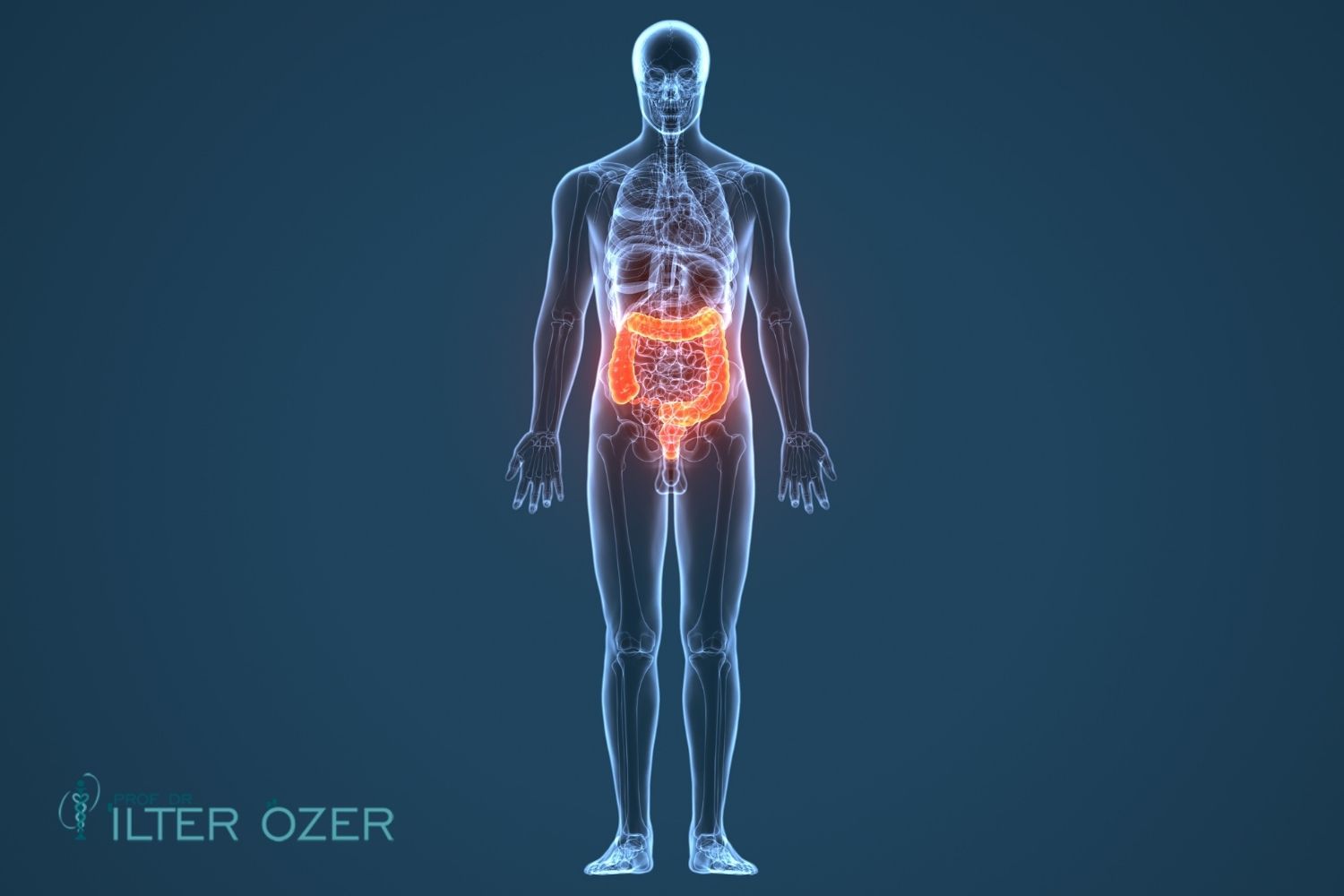
Stomach cancer can lead to serious health problems if not diagnosed early. Symptoms of this disease are often overlooked, but critical symptoms should be carefully monitored. Emergency symptoms in people with stomach cancer include bloody vomiting and blood in the stool. Symptoms such as stomach obstruction can also occur, negatively impacting the patient's quality of life. If you experience such symptoms, it is vital to see a healthcare professional immediately. Remember, early diagnosis saves lives.
Don't neglect your health, learn about the symptoms, and seek professional help when necessary.
What Does Bloody Vomiting Mean for Stomach Cancer?
Stomach cancer is one of the most common types of cancer worldwide and can often be asymptomatic in the early stages. However, as the disease progresses, some serious symptoms can develop. One of these is bloody vomiting. Bloody vomiting is considered a critical symptom of stomach cancer and usually occurs in the advanced stages of the disease. This can occur due to damage to blood vessels in the stomach or bleeding from tumors.
Anyone experiencing such symptoms should seek immediate medical attention. Because bloody vomiting can be a sign not only of stomach cancer but also of other serious health problems. For example, conditions such as stomach ulcers or bleeding varices can also manifest with bloody vomiting. Therefore, such symptoms should be taken seriously and considered a condition requiring immediate medical attention. Early diagnosis can alter the course of the disease and make treatment more effective.
The Importance of Stomach Cancer Symptoms
Early diagnosis of diseases is crucial for successful treatment. Knowing the symptoms of a serious disease like stomach cancer is a critical step in protecting the health of individuals. Besides bloody vomiting, other critical symptoms include blood in the stool, a sudden feeling of fullness after eating, stomach obstruction, and, in advanced stages, severe abdominal pain. These symptoms provide important clues about the course of the disease.
For example, blood in the stool can be a sign of a serious problem in the digestive system and may be associated with stomach cancer. Furthermore, a sudden feeling of fullness after eating can indicate a blockage in the stomach outlet. It is extremely important for individuals experiencing such symptoms to consult their healthcare professional and have the necessary tests performed.
It's important to remember that early diagnosis and intervention can halt the progression of the disease and significantly improve the patient's quality of life.
The Danger of Fecal Occult Blood
Blood in the stool can be a sign of serious health problems, such as stomach and colon cancer. Although this is a symptom often overlooked by patients, it is a critical health warning. In individuals diagnosed with stomach cancer, blood in the stool often indicates the disease is progressing. The presence of blood in the stool is associated with bleeding in the digestive system and is considered a symptom of cancer.
If you see blood in your stool or suspect occult blood in your stool, it's important to take it seriously and consult a healthcare professional immediately. Because occult blood can appear normal in the stool, it may go unnoticed by others. However, this does not diminish the seriousness of the condition, as occult blood is a particularly critical symptom. Early diagnosis of cancer is crucial for improving the success rate of treatment.
Therefore, it is crucial to have regular screening tests for signs such as fecal occult blood and to monitor your symptoms. Healthcare professionals can evaluate these symptoms to perform the necessary tests and determine appropriate treatment options.
Symptom Evaluation
Accurately assessing symptoms is critical for the early diagnosis of stomach cancer and other digestive system cancers. Occult blood in the stool is not only a symptom of cancer but can also be a sign of many other health problems. Therefore, individuals experiencing such symptoms are advised to consult their healthcare professional for a thorough examination. Stomach cancer detected in its early stages can generally be managed with less invasive treatment methods.
For example, blood in the stool accompanied by symptoms such as bloody vomiting is considered a condition that requires immediate emergency intervention. Furthermore, because symptoms such as blood in the stool and stomach obstruction can appear in later stages of the disease, it is crucial for patients to remain vigilant and in contact with their doctors. Healthcare professionals can assess patients' conditions and make a definitive diagnosis by performing appropriate imaging and laboratory tests.
It's important to remember that early diagnosis can make a significant difference in treatment processes and improve patients' quality of life.
Sudden Feeling of Fullness During Food Consumption
Stomach cancer is one of the most critical diseases of the digestive system, and its symptoms are often overlooked. Therefore, recognizing the symptoms of stomach cancer is vital. A sudden feeling of fullness during food consumption is a significant symptom that can occur in the early stages of the disease. This condition causes a person to consume less food than they would normally.
Such symptoms are considered a symptom of stomach cancer and can lead to significant changes in patients' eating habits. A sudden feeling of fullness may indicate that the stomach is not performing its normal functions and may be showing signs of the presence of cancer cells. Therefore, individuals experiencing this feeling are advised to consult a doctor immediately. Stomach cancer has a high success rate when treated in its early stages, so it is important to heed the symptoms.
Do Critical Symptoms Require Emergency Intervention?
In some cases, stomach cancer symptoms may require immediate intervention. In particular, when patients experience symptoms such as bloody vomiting or blood in the stool, these are considered critical symptoms that increase the severity of the condition. Such symptoms can negatively impact the patient's overall health and require prompt medical attention. Furthermore, symptoms such as stomach obstruction should be considered an emergency.
These symptoms typically appear in the advanced stages of the disease and can have serious consequences if left untreated. Therefore, it is crucial for individuals experiencing such critical symptoms to seek immediate medical attention. It is important to remember that early diagnosis and intervention can be lifesaving in stomach cancer treatment.
Symptoms of Gastric Outlet Obstruction
Stomach cancer is a significant health problem affecting many people. Early diagnosis can make a significant difference in the treatment process. Symptoms of gastric outlet obstruction are a critical condition that can be associated with stomach cancer. The obstruction typically blocks the passage of food from the stomach to the small intestine, causing a variety of symptoms. These symptoms include nausea, vomiting, and a sudden feeling of fullness after eating.
If a person consistently experiences bloody vomiting, this could be a sign of a serious health problem and should be seen by a doctor immediately. Blood in the stool is also considered another warning sign. In cases of gastric outlet obstruction, the person typically experiences discomfort immediately after eating and this condition can worsen over time. When signs of an obstruction are noticed early, it is crucial to take precautions and get examined.
Do Critical Symptoms Require Emergency Intervention?
Critical symptoms associated with stomach cancer are generally considered to require urgent intervention. Symptoms such as bloody vomiting or blood in the stool, in particular, indicate that the body is in significant danger. Such symptoms may indicate advanced cancer or the presence of other serious illnesses. Furthermore, sudden feelings of fullness and stomach obstruction after eating can worsen the course of the disease. Severe abdominal pain is another critical symptom to consider.
It is important for patients to seek medical attention immediately when such symptoms occur. Early diagnosis can make treatment more effective and improve patients' quality of life. Healthcare professionals should evaluate such symptoms, conduct the necessary tests, and offer appropriate treatment options to patients.
Severe Abdominal Pain in the Advanced Stage
Stomach cancer typically begins to exhibit distinct symptoms as it progresses, one of which is severe abdominal pain. While such pain is less common in the early stages of cancer, the severity of the pain can increase as the disease progresses. This type of pain can negatively impact a patient's quality of life and limit their daily activities. Furthermore, conditions such as gastric obstruction can develop at this stage, making it difficult for the patient to eat.
If a person experiences persistent abdominal pain, especially after eating, or persistent pain, they should take it seriously and consult a healthcare professional. This type of pain, considered a critical symptom, can often be a sign of more serious problems. Because early diagnosis is crucial for treatment, such symptoms should not be ignored. Furthermore, other symptoms, such as bloody vomiting or blood in the stool, are also important factors that influence the course of the disease.
Do Critical Symptoms Require Emergency Intervention?
Patients should be vigilant about recognizing the symptoms of stomach cancer and taking immediate action when necessary. Symptoms such as bloody vomiting and blood in the stool are serious symptoms that generally require immediate medical attention. The occurrence of such conditions is a warning sign of a serious condition. Furthermore, symptoms such as sudden fullness after eating and gastric obstruction can negatively impact a patient's health.
If a patient experiences any of the symptoms listed above, it is important to seek medical attention immediately. Early diagnosis increases the success of the treatment process and improves the patient's quality of life. Therefore, being vigilant about critical symptoms and seeking professional help when necessary is vital for the well-being of patients.
Do Critical Symptoms Require Emergency Intervention?
Stomach cancer can be a life-threatening disease if not diagnosed early. Therefore, it is extremely important to heed the symptoms of stomach cancer. Some critical symptoms, in particular, may require urgent intervention as the disease progresses. For example, bloody vomiting is one of the symptoms that patients are most concerned about. Such a condition may indicate serious bleeding in the stomach or intestines. If blood is also present in the stool, this requires immediate medical attention.
These symptoms generally indicate advanced stages of the disease, and treatment must begin quickly. Furthermore, conditions such as gastric obstruction can negatively impact patients' diets and require urgent intervention. Because all these symptoms can be associated with stomach cancer, patients are advised to be vigilant and seek immediate medical attention if they experience symptoms.
The Importance of Stomach Cancer Symptoms
Stomach cancer is often diagnosed late and, as it progresses, the chances of cure decrease. Therefore, recognizing the symptoms of stomach cancer is crucial. Symptoms such as bloody vomiting and blood in the stool, which are among the most critical symptoms, reveal the severity of the disease. Such symptoms require immediate medical attention.
A sudden feeling of fullness after eating can also be a significant symptom; this causes the stomach to hold less food than usual and can lead to weight loss. Additionally, if symptoms of gastric outlet obstruction are experienced, this can seriously impact the patient's quality of life. Severe abdominal pain in the advanced stages can also be a sign that the disease is progressing.
Therefore, it is extremely important for people experiencing such symptoms to consult a specialist to determine whether urgent intervention is necessary. It is important to remember that early diagnosis can be life-saving.
Frequently Asked Questions
What are the symptoms of stomach cancer?
Symptoms of stomach cancer include loss of appetite, weight loss, nausea, vomiting, pain in the upper abdomen, and indigestion. Additionally, some patients may experience critical symptoms such as bloody vomiting or blood in the stool. These symptoms usually become more pronounced as the disease progresses and may require urgent intervention.
What are the differences between stomach cancer and colon cancer?
Stomach cancer and colon cancer are types of cancer that develop in different organs. Stomach cancer begins in the stomach tissue, while colon cancer develops in the lining of the intestines. While both types of cancer may have similar symptoms, their treatment methods and prognoses differ. Early diagnosis is important in both cases.
What conditions increase the risk of stomach cancer?
The risk of stomach cancer increases depending on factors such as genetic predisposition, age, diet, smoking, and certain health conditions. High consumption of salty foods, obesity, and gastroenteritis are among the risk factors. Adopting a healthy lifestyle can reduce this risk.
What is gastric obstruction, and is it related to stomach cancer?
Gastric obstruction is the inability of the stomach to empty its contents and is often associated with cancer progression. Stomach cancer can cause an obstruction when tumors narrow the stomach passages. It is an emergency symptom and can lead to serious health problems if left untreated.
Is bloody vomiting a symptom of stomach cancer?
Yes, bloody vomiting is a critical symptom of stomach cancer. This can be caused by bleeding in the lining of the stomach. Bloody vomiting is often a symptom that requires urgent intervention, and it is important for patients to see a healthcare professional immediately. Early diagnosis and treatment can change the course of the disease.
What does blood in stool mean?
Blood in the stool can be a sign of bleeding in the digestive system and may be associated with stomach cancer. This can originate from the stomach or intestines. Blood in the stool is a sign of a serious health problem, and a doctor should be consulted immediately. Early diagnosis positively impacts the treatment process.
Which age group is most common in stomach cancer?
Stomach cancer is generally more common in individuals aged 50 and over. However, it can also occur in younger individuals. Age is a significant factor in the development of cancer. However, genetic factors and lifestyle also play a role in the development of this disease.
How is stomach cancer diagnosed?
Stomach cancer is usually diagnosed through endoscopy, biopsy, and imaging tests. During an endoscopy, a camera is used to examine the stomach and, if necessary, a tissue sample is taken. These tests help determine the stage of the disease. Early diagnosis increases the chances of cure and positively affects the course of the disease.
What treatment methods are used for stomach cancer?
Stomach cancer treatment methods include surgery, chemotherapy, and radiation therapy. Surgery involves removing cancerous tissue, while chemotherapy and radiation therapy help shrink tumors. The treatment plan is determined by the patient's overall health and the stage of the cancer. Early intervention increases treatment success.
What can be done to prevent stomach cancer?
A healthy diet, regular exercise, and not smoking are important for preventing stomach cancer. Avoiding excessively salty and processed foods, avoiding obesity, and getting regular health checkups are also preventative measures. These lifestyle changes can be effective in reducing the risk of stomach cancer.