

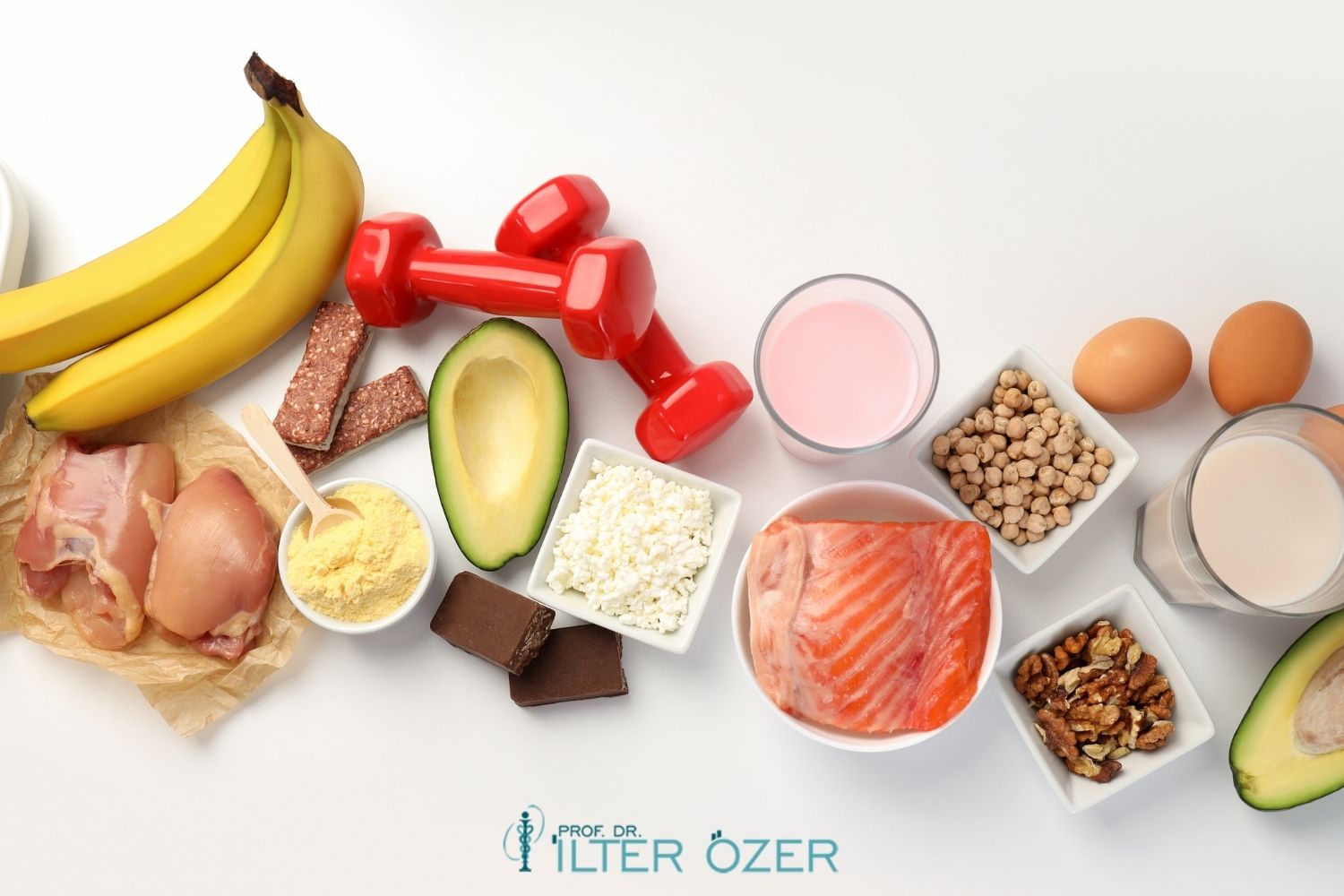
Chemotherapy is a crucial phase in cancer treatment, and nutrition is a critical factor affecting patients' overall health. Chemotherapy nutrition recommendations can help patients reduce their immune system and manage side effects such as nausea that they may experience during treatment. It's important to focus on fresh fruits and vegetables, whole grains, and adequate protein intake in a chemotherapy diet. Furthermore, adhering to food safety guidelines is crucial for reducing the risk of infection.
It's important to remember that some foods, such as grapefruit, can interact with treatment. Working with a dietitian to develop a healthy eating plan can make the chemotherapy process easier and more manageable. Remember to take good care of yourself during treatment and seek professional support when necessary.
The Importance of Nutrition During Chemotherapy
Chemotherapy is a common method in cancer treatment, but it can cause many side effects. Nutrition is crucial during this process. A chemotherapy diet can influence patients' response to treatment, strengthen their immune system, and improve their overall quality of life. During chemotherapy, the body's nutritional needs increase, so patients need to maintain an adequate and balanced diet. Chemotherapy diet choices can help patients cope with nausea, loss of appetite, and other side effects.
Furthermore, the importance of nutrition is even greater for patients facing conditions such as weakened immune systems. A healthy and balanced diet can help patients feel better during treatment and positively impact the course of the disease. Thus, it can have a positive impact on patients' emotional and physical well-being during treatment. Choosing and consuming the right foods helps minimize the negative effects of chemotherapy.
Therefore, it is crucial for patients to work with a dietitian to develop a chemotherapy nutrition plan tailored to their individual needs.
Nutrition Tips
There are some important tips regarding nutrition during chemotherapy. First and foremost, patients should consume adequate protein. Protein plays a critical role in the body's repair processes and strengthening the immune system. It is also crucial to maintain adequate fluid intake. Water helps the body detoxify and maintain healthy cell function. Additionally, natural foods like ginger can be used to manage nausea. Ginger is a herb known to be effective in reducing nausea.
Consuming high-fiber foods helps patients maintain a healthy digestive system. Furthermore, food safety should be considered and raw and unprocessed foods should be avoided. Finally, it should be noted that some foods, such as grapefruit, can interact with chemotherapy drugs. Therefore, patients are advised to consult their doctor before consuming these foods. In general, a balanced nutrition plan during chemotherapy will improve patients' quality of life and help them maintain their health.
Chemotherapy Diet: Which Foods Should Be Preferred?
Chemotherapy nutrition is an important part of cancer treatment. During chemotherapy, patients' bodies face significant challenges, and proper nutrition contributes significantly to both physical and psychological recovery. First and foremost, it is important to choose foods rich in protein, vitamins, and minerals when following a chemotherapy diet. Adequate protein intake strengthens patients' immune systems and helps the body regain lost muscle mass. Additionally, consuming fruits and vegetables is also crucial, as they are rich in antioxidants and contain cancer-fighting compounds.
Adequate fluid intake should also be ensured. Fluids such as water, herbal teas, and natural fruit juices are critical for maintaining body hydration. However, it's important to remember that some foods can interact with chemotherapy drugs due to grapefruit's interactions. Therefore, it's crucial for patients to be informed about this and share this information with their doctors. Nutrition plans should be personalized and prepared by a doctor or dietitian.
Foods That Strengthen Immune Weaknesses
During chemotherapy, patients' immune systems can weaken. Therefore, certain foods should be preferred to combat immune weakness. Foods rich in vitamin C, in particular, support the immune system. Fruits such as oranges, lemons, kiwis, and strawberries are excellent sources of this vitamin. Additionally, foods like ginger and garlic also have immune-boosting properties. Ginger can soothe the digestive system and reduce symptoms like nausea, which are common during chemotherapy.
Additionally, foods like yogurt and kefir, which contain probiotics, support intestinal health and strengthen the body's defense mechanisms. Fresh herbs and leafy green vegetables also provide essential vitamins and minerals. In addition, avocado and olive oil, which contain healthy fats, also have an immune-supporting effect. Consuming all of these foods together can increase resilience to the side effects of chemotherapy.
Immune-Strengthening Foods
Chemotherapy significantly impacts a patient's immune system. Therefore, strengthening the immune system is crucial when developing a chemotherapy nutrition plan. Individuals undergoing chemotherapy should choose foods that support their bodies and consume adequate amounts. Foods rich in vitamins and minerals, in particular, help strengthen the immune system. Nutrients such as vitamin C, vitamin D, zinc, and selenium contribute to the normal functioning of the immune system.
Furthermore, fruits and vegetables with antioxidant properties protect the body against free radicals and support the immune system. For example, foods such as broccoli, spinach, carrots, pomegranates, and strawberries should be consumed. Furthermore, probiotics help regulate the digestive system and contribute to overall health. Fermented foods such as yogurt and kefir are very beneficial in this regard. Adequate fluid intake should also be considered. Water, herbal teas, and natural fruit juices help hydrate the body and eliminate toxins.
Consequently, choosing foods that strengthen the immune system when developing a chemotherapy diet plan plays a critical role in patient health.
Nutrition Tips During Chemotherapy
During chemotherapy, nutrition can significantly impact a patient's overall health. To manage their immune system, patients need to review their eating habits and make healthy choices. Paying particular attention to protein intake supports the body's repair processes. Chicken, fish, eggs, legumes, and dairy products are rich in protein. Furthermore, ensuring adequate calorie intake is important for maintaining energy levels. In this context, healthy fats should also be a part of the diet.
Healthy fat sources, such as olive oil, avocado, and nuts, both increase calorie intake and provide essential fatty acids. Food safety is another important factor to consider during chemotherapy. Food hygiene should be maintained, and fresh vegetables and fruits should be preferred. It is also recommended to avoid processed and processed foods. To cope with nausea and other side effects, meals should be consumed in small portions and frequently. Psychological support is also an important factor during this process.
Support groups or counseling services can help patients better cope with this challenging process. Consequently, accurate information and practices regarding chemotherapy nutrition can have a significant impact on patients' recovery.
Food Safety: What to Consider During Chemotherapy?
Chemotherapy is an important part of cancer treatment, and patients' nutritional needs are crucial during this period. The immune system weakens during chemotherapy, increasing patients' susceptibility to infection. Therefore, food safety is of paramount importance. Chemotherapy patients should take care in the preparation and consumption of their food. Maintaining good food hygiene is critical for preventing bacterial infections. Thorough cooking and sourcing fresh, reliable food are key considerations during this period.
Furthermore, when developing a chemotherapy diet plan, patients' specific needs should be taken into account. For example, some patients may develop intolerances to certain foods during treatment. Therefore, creating a personalized nutrition program is crucial. To prevent chemical interactions, it's important to remember that some foods (e.g., grapefruit) can interact with chemotherapy drugs. Considering all these factors, nutrition during chemotherapy has a direct impact on health and recovery.
Nutrition Tips During Chemotherapy
During chemotherapy, nutrition is one of the most important factors affecting a patient's overall health. During this period, chemotherapy nutrition recommendations help patients maintain their energy levels and strengthen their immune systems. Patients are advised to consume foods rich in high-quality protein, vitamins, and minerals during treatment. Fresh fruits and vegetables, whole grains, and healthy fats, in particular, play a crucial role in providing the body with the nutrients it needs during chemotherapy.
Furthermore, light and easily digestible meals should be preferred to manage nausea. Nausea and loss of appetite are common side effects during chemotherapy. Therefore, consuming small but frequent meals can increase patients' nutrient intake. Furthermore, paying attention to water intake can help keep the body hydrated, helping to make the treatment process more comfortable. It's also important for patients to pay attention to food safety and incorporate any food allergies or intolerances into their nutrition plan.
Consequently, nutritional strategies during chemotherapy can positively impact patients' recovery.
Nutrition Tips for Managing Nausea During Chemotherapy
Chemotherapy can pose physical and mental challenges for many patients. One of these challenges is nausea. Chemotherapy nutrition recommendations can make it easier to cope with nausea and improve overall well-being. It's vital for patients undergoing chemotherapy to adopt healthy eating habits to strengthen their bodies. During this process, the quantity of food is as important as the quality. Small but frequent meals, in particular, can help reduce nausea.
Furthermore, avoiding fatty and heavy foods can reduce the severity of nausea. Patients should choose light and easily digestible foods. For example, foods like boiled vegetables, rice, and bananas can be helpful in managing nausea. Furthermore, paying attention to fluid intake is important to prevent dehydration. Water, natural fruit juices, and herbal teas can alleviate nausea. Additionally, aromatic foods can be effective in reducing nausea for some patients.
For example, natural remedies like ginger or mint tea are often preferred to manage nausea. During chemotherapy, patients should also pay attention to food safety. Consuming fresh and clean foods reduces the risk of infection. Furthermore, creating a healthy and balanced diet plan in line with the chemotherapy diet program can strengthen the immune system.
It's important to remember that working with a registered dietitian throughout the treatment process can help determine the most appropriate nutritional strategies based on individual needs.
Eating Habit Changes
During chemotherapy, it may be necessary to change your eating habits to manage nausea. At this point, developing some strategies for nausea management will be helpful. First, make sure to use fresh and natural ingredients when preparing your meals. Furthermore, preparing your meals in small portions can make it easier to eat. Furthermore, avoiding strenuous activity before or after meals can reduce nausea. Avoiding heavy foods during meals and opting for lighter alternatives can be effective in managing nausea.
For example, foods like light soup or yogurt are recommended during this period. Additionally, consuming a sufficient amount of protein at each meal can strengthen your body. For this reason, it's important to include protein sources such as chicken, fish, eggs, and legumes. Furthermore, for food safety, be mindful of the cleanliness of food, especially purchased from outside sources. To reduce the risk of infection, hygiene rules must be followed during food preparation and consumption.
It's also important for patients with compromised immune systems to consume foods rich in vitamins and minerals. This can boost their immune system and help them navigate the treatment process more healthily. Remember, each individual's nutritional needs are different. Therefore, consulting a healthcare professional will help determine the most appropriate approach.
Grapefruit Interaction: The Relationship Between Chemotherapy and Nutrition
Chemotherapy is a widely used method in cancer treatment, and patients' nutritional habits are crucial during this process. There are many factors to consider regarding chemotherapy nutrition. One of these factors is the effect of grapefruit. Grapefruit is a fruit that can interact with many medications and should be consumed with caution, especially during chemotherapy. Grapefruit can affect how the body metabolizes medications, which can increase or decrease the effectiveness of chemotherapy drugs.
Therefore, patients undergoing chemotherapy should be fully informed about whether grapefruit should be included in their chemotherapy diet. Furthermore, some components found in grapefruit can affect the immune system and have adverse effects on patients with compromised immune systems. Therefore, it is extremely important to seek medical advice regarding grapefruit consumption. Creating a healthy and balanced chemotherapy meal plan during chemotherapy can help make the treatment more effective.
Patients accessing and applying accurate nutritional information during treatment plays a critical role in maintaining their overall health. Furthermore, paying attention to food safety helps protect patients' health by reducing the risk of infection.
The Effects of Grapefruit on Chemotherapy
Grapefruit is known to affect the metabolism of certain drugs. This makes it an important factor in the chemotherapy diet. Patients undergoing chemotherapy should be cautious about grapefruit consumption. Grapefruit, in particular, can inhibit the CYP3A4 enzyme, leading to higher levels of some chemotherapy drugs in the body. This can increase the side effects of the drugs or affect the effectiveness of the treatment.
Therefore, it's essential to consult a healthcare professional when deciding whether to include grapefruit in chemotherapy diets. Furthermore, grapefruit's potential to weaken the immune system should be considered. Patients with compromised immune systems are advised to avoid grapefruit. Furthermore, caution should be exercised regarding food safety and avoid excessive consumption of potentially interacting foods, such as grapefruit. In conclusion, the effects of grapefruit on chemotherapy can be quite complex, and it's crucial for patients to make informed choices.
Choosing appropriate foods for nausea management during chemotherapy can also improve patients' quality of life.