

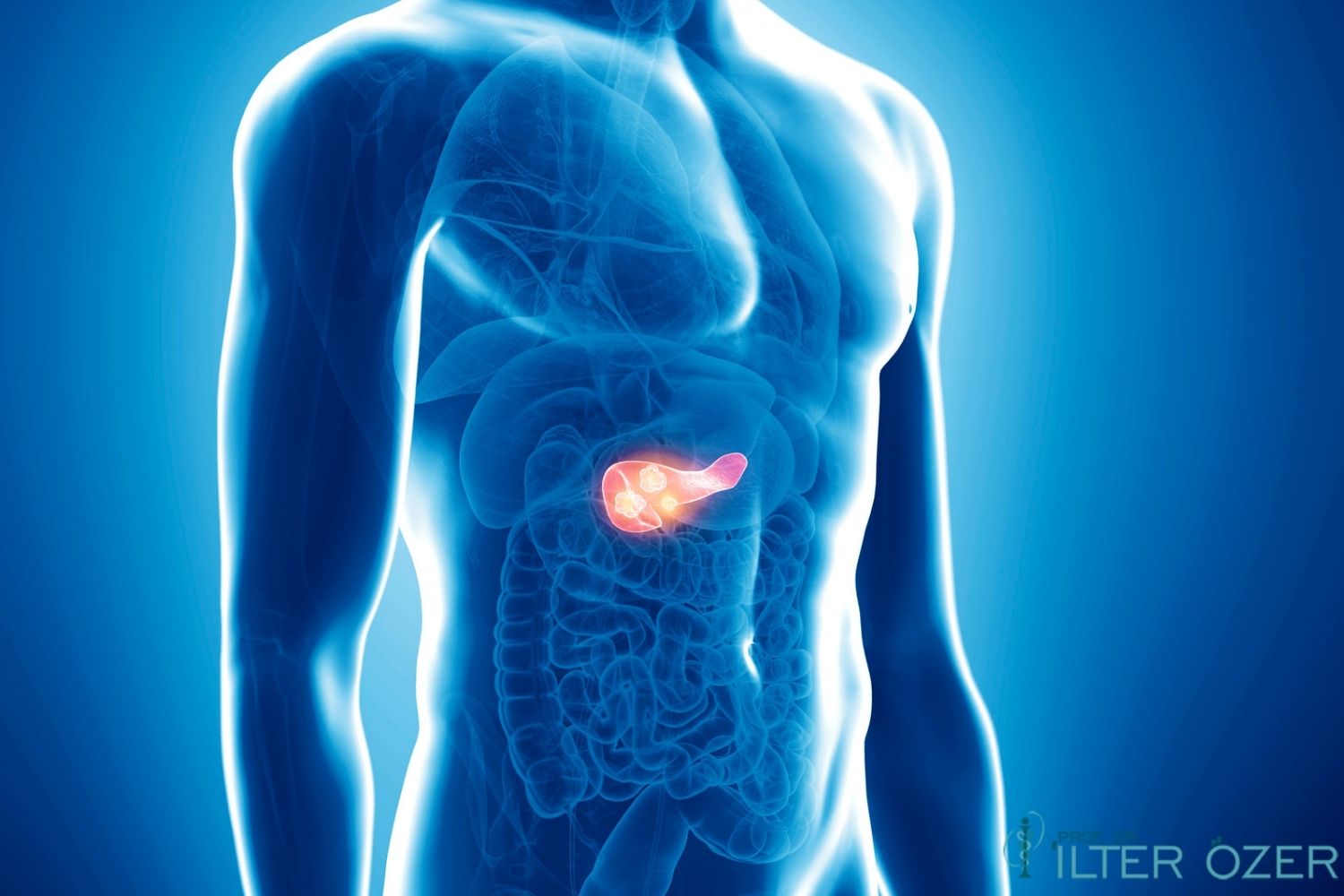
Pancreatic cancer is a disease that has serious effects on the digestive system, and jaundice is one of its most prominent symptoms. Jaundice in pancreatic cancer occurs as the cancer progresses, resulting in obstruction of the bile ducts. This can cause cholestasis, leading to yellowing of the skin and eyes. Jaundice is a common condition in patients with pancreatic cancer and is often a key symptom that determines the course of the disease.
In addition to pancreatic tumors, jaundice can also be caused by other problems with the gallbladder or liver. It's important to consult a specialist to learn more about jaundice symptoms related to pancreatic cancer and take the necessary steps for early diagnosis. Remember, early diagnosis can save lives!
Why Does Jaundice Occur in Pancreatic Cancer?
Jaundice in pancreatic cancer is a common condition experienced by patients with pancreatic cancer and is generally associated with the progression of the disease. Because the pancreas plays a key role in the digestive system and produces hormones such as insulin, tumors in this organ can affect the bile ducts. If cancer cells are located in the head of the pancreas, this can lead to a condition called cholestasis.
Cholestasis is the obstruction of bile flow, which causes the yellow pigment bilirubin to accumulate in the body. This accumulation leads to yellowing of the skin and eyes. Early diagnosis and treatment of pancreatic cancer can prevent jaundice. However, when pancreatic cancer develops jaundice, it usually indicates an advanced stage of the disease. Patients may experience other symptoms, such as abdominal pain, weight loss, and loss of appetite, in addition to jaundice.
Therefore, it is important to consult a doctor immediately if symptoms such as jaundice appear. Early diagnosis can alter the course of the disease and increase treatment options.
The Relationship Between Pancreatic Cancer and Jaundice
Pancreatic cancer often triggers a condition known as jaundice pancreas, and the mechanism of this condition is directly related to the type of cancer and its spread. Tumors located in the head of the pancreas can compress the bile ducts, causing an obstruction. This obstruction blocks the flow of bile into the duodenum, leading to elevated bilirubin levels in the bloodstream. Bilirubin is a waste product produced by the liver and should normally be excreted through bile.
In the event of an obstruction, the liver cannot properly process bilirubin, resulting in its accumulation in the body. Furthermore, as pancreatic cancer progresses, the likelihood of metastasis increases, which can lead to problems in other organs. Therefore, the appearance of jaundice in patients diagnosed with pancreatic cancer is an important indicator for assessing the course of the cancer and the patient's overall health. Early diagnosis and appropriate treatment can mitigate the effects of this condition.
Other Symptoms Associated with Jaundice
Jaundice is a serious symptom that often appears as the disease progresses. Jaundice manifests itself with symptoms such as yellowing of the skin and eyes, darkening of the urine, and light-colored stool. However, jaundice is not limited to these symptoms alone. Patients may also experience additional symptoms such as abdominal pain, weight loss, loss of appetite, nausea, and vomiting. These symptoms are a reflection of the damage caused by pancreatic cancer in the body.
For example, when the pancreas's functionality decreases, digestive problems occur, affecting the patient's overall health. Furthermore, psychological conditions such as depression and anxiety are frequently observed in pancreatic cancer patients. Therefore, conditions such as cholestasis can seriously affect a patient's quality of life. The occurrence of jaundice in conjunction with such symptoms is a key indicator of the disease's prognosis. Early diagnosis and appropriate treatment can improve the patient's condition.
Therefore, it is vital for patients to pay attention to such symptoms and consult a healthcare professional.
The Relationship Between Pancreatic Cancer and Jaundice
Pancreatic cancer is closely associated with jaundice. When cancer cells grow in the head of the pancreas, they can block the bile ducts, causing cholestasis. This causes bile acids to leak into the bloodstream, causing a jaundice-like appearance. Jaundice is often one of the most obvious and noticeable symptoms of pancreatic cancer. However, patients may also experience other symptoms such as itching, abdominal swelling, and general weakness.
These symptoms indicate the progression of the cancer and the extent of the damage it has caused to the body. The development of jaundice is critical for diagnosing the disease and planning treatment. Therefore, when symptoms of jaundice appear, a doctor should be consulted immediately. The doctor will perform the necessary tests based on the patient's condition and create an appropriate treatment plan.
It's important to remember that early intervention can make a significant difference in the fight against pancreatic cancer and improve the patient's quality of life.
What Tests Are Performed for Jaundice?
In cases of jaundice due to pancreatic cancer, various tests are required to accurately assess and diagnose the symptoms experienced by patients. Jaundice is usually caused by an increase in the body's levels of a compound called bilirubin, which can develop due to an obstruction in the bile ducts affected by pancreatic cancer. Doctors first assess the condition by asking the patient's medical history and performing a physical examination.
During the physical examination, the presence of yellowing of the skin and eyes is checked. Blood tests are then performed. These tests measure bilirubin levels and assess the liver's functioning. Specifically, parameters such as liver enzymes, alkaline phosphatase, and bilirubin levels are examined. Additionally, imaging methods such as ultrasound, computed tomography (CT), or magnetic resonance imaging (MRI) are used to examine the pancreas and surrounding structures in detail.
These methods are crucial for detecting the presence of pancreatic cancer, its spread, and any obstructions in the biliary tract. Additionally, specialized tests such as endoscopic retrograde cholangiopancreatography (ERCP) may be performed. This test is used to visualize the biliary tract and relieve any obstructions. Because jaundice is a significant symptom of pancreatic cancer, the results of these tests are critical for an accurate diagnosis.
Causes of Jaundice and Related Tests
Jaundice can arise from many different causes related to pancreatic cancer. Pancreatic cancer often causes jaundice by obstructing the bile ducts. Therefore, tests to determine the cause of jaundice are crucial for evaluating both the presence of pancreatic cancer and other possible causes. Blood tests are usually the first step in determining the cause of jaundice. These tests assess liver function along with bilirubin levels. If bilirubin levels are high, this usually indicates an obstruction in the bile ducts.
Ultrasound or CT scans are then performed. These imaging methods reveal the structure of the pancreas, liver, and bile ducts. If these tests detect pancreatic cancer, the patient's treatment is initiated. However, other conditions besides pancreatic cancer may also be present that can cause jaundice, such as hepatitis, cirrhosis, or gallstones. Additional tests may be performed to evaluate these conditions.
In conclusion, while pancreatic cancer is a significant cause of jaundice, performing the necessary tests is crucial for accurate diagnosis and treatment.
What Methods Are Used in the Treatment of Jaundice?
Jaundice from pancreatic cancer is a significant finding that occurs as pancreatic cancer progresses. This condition is associated with the presence of tumors causing obstruction in the bile ducts. This blockage allows bile acids to leak into the bloodstream, causing the body to appear jaundiced. Jaundice occurs when the body's ability to excrete toxic substances is impaired.
Cholestasis, on the other hand, refers to the reduction or complete cessation of bile flow and is one of the primary causes of jaundice. Jaundice in pancreatic cancer patients usually occurs in the advanced stages of the disease and can significantly impact the patient's quality of life. Treatment of jaundice should primarily focus on addressing the underlying cause. Treatment options include endoscopic or surgical intervention, medication, and palliative care.
Endoscopic methods are generally used to relieve obstruction in the bile ducts, allowing bile flow to be restored. Surgery can be performed to remove the tumor or open the bile ducts. Medication is used to slow the progression of cancer and relieve symptoms. Chemotherapy and radiation therapy, in particular, can help reduce the effects of jaundice. Palliative approaches are also important to improve patients' quality of life. These methods are designed to manage pain and ensure overall comfort.
The combination of these methods in the treatment of jaundice varies depending on the patient's condition and response to treatment.
The Relationship Between Pancreatic Cancer and Jaundice
Pancreatic cancer plays a critical role in the course of jaundice. The pancreas is an organ that produces digestive enzymes and hormones; however, cancer can affect these functions. As the cancer progresses, tumors compress the bile ducts, becoming a contributing factor in jaundice. Jaundice is not only a symptom of the disease but also an important factor in guiding the treatment process. Therefore, patients should seek immediate medical attention if they experience jaundice.
Jaundice can affect liver function and impair patients' overall health. This can negatively impact their response to treatment. Therefore, resolving cholestasis is an important part of the treatment process. During the treatment process, doctors evaluate the patient's general health, the stage of the pancreatic cancer, and the severity of the jaundice to determine the most appropriate treatment method. Early diagnosis and appropriate treatment methods can prolong patients' lives and improve their quality of life.
Therefore, awareness of pancreatic cancer and jaundice is critical for disease management.
Palliative Approaches and Remedies
Pancreatic jaundice is a common symptom of pancreatic cancer and can significantly impact patients' quality of life. Jaundice typically manifests as a yellow discoloration of the skin and eyes due to bilirubin accumulation in the liver and bile ducts. This can indicate a condition called cholestasis, which is often associated with the progression of pancreatic cancer. Cholestasis occurs as a result of impaired bile flow, a process frequently seen in individuals with pancreatic cancer.
Jaundice worsens the general condition of patients and can also occur alongside other symptoms. Therefore, a multidisciplinary approach is necessary to assess the patient's condition and determine appropriate treatment options. Palliative treatment aims to improve patients' quality of life, and various remedies and approaches can be applied. Medication, pain management, and nutritional support play an important role in coping with jaundice. Furthermore, psychological support can help patients better manage their condition.
Palliative approaches are critical in the treatment of pancreatic cancer to improve patients' comfort.
Managing Jaundice Symptoms
Managing jaundice symptoms is crucial in cases of pancreatic cancer jaundice. During this process, it is important to consider other symptoms accompanying jaundice. For example, symptoms such as itching, dark urine, and light-colored stools are important indicators of the severity of jaundice. These symptoms can affect the patient's overall health and should be considered during the treatment process. A series of tests are usually performed to manage jaundice.
These tests help determine the cause of jaundice and evaluate appropriate treatment options. In patients with advanced pancreatic cancer, jaundice treatment generally involves palliative approaches aimed at alleviating symptoms. Methods such as biliary stents or surgical interventions may be used. Additionally, improving the patient's nutritional status and ensuring adequate fluid intake are also part of the treatment process.
Consequently, jaundice, as a significant symptom in the fight against pancreatic cancer, requires a multidisciplinary treatment approach, and various remedies should be applied to improve patients' quality of life.
When Is Emergency Intervention Required?
Jaundice in pancreatic cancer is a significant symptom that can appear as the disease progresses. Jaundice manifests itself with symptoms such as yellowing of the skin and eyes, dark urine, and light stools, all caused by elevated bilirubin levels in the body. Pancreatic cancer can interfere with the normal functions of the pancreas and block the bile ducts, leading to a condition known as cholestasis. Cholestasis is the disruption of the normal flow of bile, which causes jaundice.
The presence of jaundice in pancreatic cancer patients can often be a sign that the disease is worsening. Therefore, when symptoms of jaundice appear, immediate intervention is necessary. Timely diagnosis and treatment are crucial for halting or slowing the progression of the disease. Symptoms requiring urgent intervention include severe abdominal pain, rapid weight loss, fever, and dark urine. These symptoms provide important clues about the patient's condition and indicate the need for immediate medical attention.
The complexity of pancreatic cancer treatment and the appearance of jaundice can seriously affect patients' health. Therefore, it is vital to seek medical attention immediately when symptoms of jaundice appear.
The Relationship Between Pancreatic Cancer and Jaundice
The relationship between pancreatic cancer and jaundice is directly linked to the progression of the disease. The pancreas is an organ that plays a crucial role in the digestive system, and cancer in this organ can affect bile flow. Tumors that form in the head of the pancreas can obstruct the bile ducts, leading to jaundice, a common condition in patients with pancreatic cancer.
Jaundice develops due to bilirubin accumulation in the body, which can seriously affect the patient's quality of life. In addition to jaundice, patients may also experience additional symptoms such as itching, abdominal pain, and digestive problems. Various tests are performed to diagnose pancreatic cancer, including imaging studies. Early diagnosis can increase the success of treatment. Therefore, it is important for patients to be vigilant about the symptoms of jaundice and seek professional healthcare when necessary.
Therefore, it is recommended that patients constantly monitor their health and consult a doctor for any changes. Treatment options for pancreatic cancer include surgery, chemotherapy, and radiation therapy. These treatment options may vary depending on the size of the tumor and the patient's overall health. The relationship between pancreatic cancer and jaundice plays an important role in the health processes of patients and is therefore an issue that should be carefully monitored.