

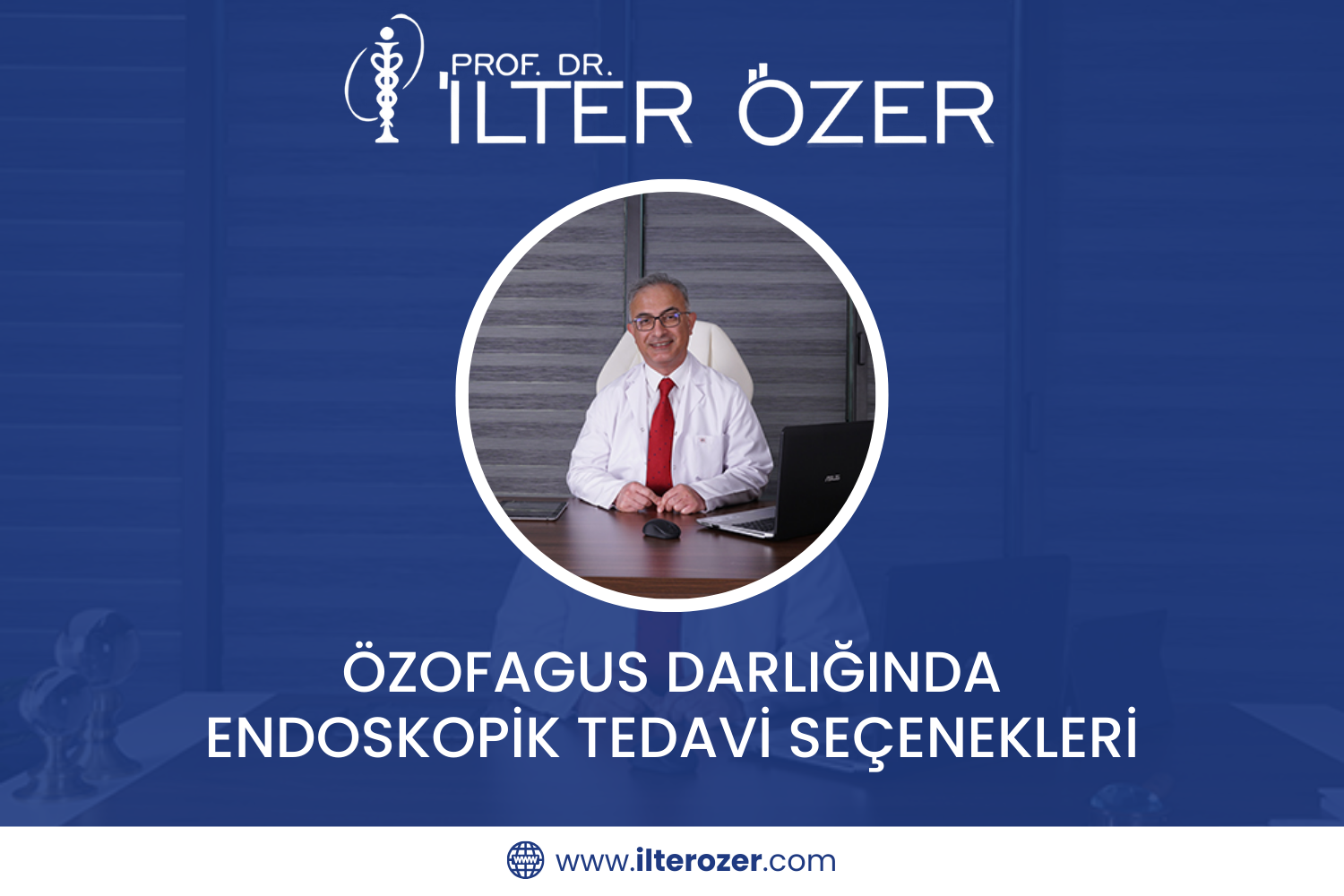
Esophageal stricture is a condition resulting from a narrowing of the esophagus, causing difficulty swallowing. This condition can develop for various reasons and negatively affect patients' quality of life. As Prof. Dr. İlter Özer states, one of the most effective treatment options for esophageal stricture is endoscopic dilation. This method is performed using special instruments to widen the narrowed area. Endoscopic treatment usually helps patients return to their normal eating habits in a short time.
It is important to consult a specialist to learn about esophageal stricture treatment options and evaluate appropriate treatment methods. Remember, early intervention can prevent many negative outcomes.
What is Esophageal Stricture?
Esophageal stricture, an important issue in esophageal stricture treatment, is a narrowing that occurs in certain areas of the esophagus. This condition usually develops due to various reasons such as inflammation, injury, or tumors of the esophagus. Esophageal narrowing can cause patients to experience difficulty swallowing, pain, and difficulty in the passage of food. Esophageal stricture can progress over time and, if left untreated, can lead to serious nutritional problems.
Treatment options for esophageal stricture include endoscopic treatment, surgical intervention, and medication. Endoscopic treatment is particularly effective in cases of strictures in their early stages. This treatment aims to improve swallowing function and enhance the patient's quality of life. Endoscopic dilation is a commonly used technique in this context and is usually performed by specialists such as Prof. Dr. İlter Özer.
During this treatment process, the appropriate treatment option is determined by considering the patient's condition and the extent of the stricture.
Esophageal Stricture Treatment Options
Treatment options for esophageal stricture vary depending on the patient's condition and the cause of the stricture. Endoscopic dilation is one of these treatment methods and is generally preferred to reduce patients' difficulty swallowing. This method involves reaching the narrowed portion of the esophagus via endoscopy and widening the stricture using balloons or special instruments. Stent placement also plays an important role in the treatment of esophageal stricture.
Stents are metal or plastic tubes placed to provide a permanent dilation of the narrowed portion of the esophagus. During treatment, patient follow-up and assessment of the risk of recurrence are crucial. Therefore, regular check-ups increase the effectiveness of the treatment process. In the treatment of esophageal stricture, following the recommendations of specialist physicians is of great importance in improving the health of patients.
Symptoms and Diagnostic Methods
Esophageal stricture is a condition where the esophagus becomes narrower than normal, and this can lead to various health problems. Early diagnosis is crucial in the treatment of esophageal stricture. Symptoms generally include difficulty swallowing, pain, a feeling of food getting stuck, and weight loss. These symptoms can negatively affect patients' daily lives. Diagnostic methods include endoscopic examination, X-rays, and manometry tests.
Endoscopic examination allows for the examination of the inner structure of the esophagus and the determination of the degree of stricture. Furthermore, specialists like Prof. Dr. İlter Özer can evaluate the patient's condition and offer appropriate treatment options. Early diagnosis ensures a more effective treatment process and improves the patient's quality of life. Therefore, it is important to seek medical attention when experiencing the symptoms mentioned above.
Diagnostic Methods and Their Importance
Esophageal stricture can be diagnosed through a series of tests and examinations. First, the patient's history is taken. Then, an endoscopy is performed; during this procedure, a thin tube is inserted into the esophagus to examine its internal structure. If a narrowing is detected, a biopsy may be taken to determine the cause. X-ray examinations provide an image of the esophagus, providing information about the location and size of the stricture.
Additionally, a manometry test evaluates the muscle movements of the esophagus. These tests form the cornerstone of the esophageal stricture treatment process. After the diagnosis is made, appropriate treatment methods are determined to restore the patient's health. For patients experiencing difficulty swallowing, performing these tests is critically important for the success of the treatment process. In this process, the opinions and experience of specialist physicians help patients access the best treatment options.
Balloon Dilatation Techniques
Balloon dilatation techniques hold an important place among the treatment options for esophageal stricture. This method is a frequently preferred treatment option for patients with esophageal stricture. Balloon dilation is performed as an endoscopic procedure and is usually done under local anesthesia. During the procedure, a specially designed balloon is placed in the narrowed area. The balloon is inflated with appropriate pressure, widening the narrowed esophagus.
This technique can significantly reduce swallowing difficulties and improve the quality of life for patients. Advantages of balloon dilation include its minimally invasive nature and short hospital stay. However, as with any treatment option, there are some risks that should be evaluated by experts like Prof. Dr. İlter Özer. There are some points that patients should pay attention to after the procedure; these points can affect the success of the treatment process.
The effectiveness of balloon dilation may vary depending on the patient's general health and the cause of the stricture. After treatment, patients should be regularly monitored for the continuation of their symptoms.
Effectiveness and Risks of Balloon Dilatation
Balloon dilation is known as a highly effective option among esophageal stricture treatment methods. However, like any medical procedure, this method carries some risks. Although rare, complications such as postoperative bleeding and esophageal perforation can occur. Therefore, patients undergoing balloon dilation need to be thoroughly evaluated. Expert physicians like Prof. Dr. İlter Özer create the most appropriate treatment plan by considering patients' past medical history and current health status. Follow-up procedures after balloon dilation are also crucial.
It is necessary to monitor patients' postoperative symptoms and evaluate additional treatment options if needed. Furthermore, the success of balloon dilation can vary depending on the type and size of the stricture. For effective long-term treatment, it is important for patients to make lifestyle changes and not neglect their regular check-ups. In this way, the risk of recurrence of esophageal stricture is reduced, and patients' quality of life is improved.
The Role of Stent Applications
In the treatment of esophageal stricture, stent applications play a significant role in improving patients' quality of life. These methods are frequently preferred, especially in individuals experiencing esophageal stricture. Prof. Dr. Experts like İlter Özer emphasize the effectiveness of stent placement among endoscopic treatment options. Stents are tubes that are placed endoscopically to open the esophagus and relieve strictures. One of the biggest advantages of this method is that patients can alleviate their symptoms without the need for surgery.
Stents are generally used after balloon dilation and thus offer an effective solution to prevent the recurrence of strictures. Stent placement is usually performed under general anesthesia, and patients have a very short hospital stay. However, stents may need to be replaced or removed after a certain period. This varies depending on the patient's general health and the characteristics of the stricture.
Furthermore, regular follow-ups and referral to additional treatment methods when necessary are important to increase the success of stent placement.
The Effectiveness of Stent Placement
The effectiveness of stent placement has a significant impact on patients' overall well-being. In the treatment of esophageal strictures, these applications offer a great solution, especially in cases of recurrent strictures. Among the treatment methods for esophageal stricture, stent placement reduces swallowing difficulties and improves patients' overall quality of life. During stent placement, endoscopic imaging techniques are used to determine the exact location and condition of the stricture. This ensures optimal stent placement.
Furthermore, when used in conjunction with endoscopic dilation, the opening of the stricture becomes more permanent. Stent placement, especially in more complex cases such as cancer patients, allows for better opening of the esophagus and improvement in patients' nutritional habits. However, stent placement also carries some risks. These risks include infection, problems with stent placement, and recurrence of the stricture. Therefore, careful monitoring of patients' treatment processes and interventions when necessary are crucial.
It should be remembered that for stents to be used effectively, patients need to be regularly followed up by specialist physicians and referred for additional treatment methods when necessary.
Assessment of Recurrence Risk
In the treatment process for esophageal stricture, assessing the risk of recurrence in patients is a critical stage. After treatment, individuals who have experienced esophageal stricture may have a risk of recurrence. Therefore, regular follow-up and endoscopic evaluations are necessary. In particular, specialist physicians like Prof. Dr. İlter Özer play a crucial role in post-treatment monitoring. Following endoscopic dilation, patients' general health and symptoms should be observed.
If swallowing difficulties, pain, or other bothersome symptoms recur, this may indicate a recurrence of the stricture. Therefore, regular check-ups after treatment not only improve treatment success but also help prevent potential complications. Experts recommend endoscopic check-ups to obtain information about patients' condition after treatment. A careful follow-up protocol is essential to ensure patients feel well and lead healthy lives.
Determining the Risk of Recurrence
Various methods are used to determine the risk of recurrence during esophageal stricture treatment. Endoscopic examinations are one of the most effective methods for assessing this risk. Following endoscopic dilation after treatment, monitoring the condition of the esophagus is critically important to prevent recurrence of stricture. Patients should undergo endoscopic evaluations at regular intervals, and any signs of stricture should be monitored.
Furthermore, factors affecting the patient's quality of life and swallowing ability directly impact the success of the treatment process. In the development of recurrence, factors such as the patient's general health status, dietary habits, and adherence to treatment should also be considered. Symptoms experienced by patients after treatment should be carefully evaluated by specialist physicians, and additional treatment methods may be applied as needed.
Throughout this process, all approaches integrated into the treatment of esophageal stricture aim to protect the patients' health and improve their quality of life.
Follow-up Protocols
Esophageal stricture is generally the result of various conditions that cause narrowing of the esophagus. This can lead to difficulty swallowing and problems with food intake. Endoscopic methods play a significant role among esophageal stricture treatment options. Post-treatment follow-up processes are critically important for stabilizing the patient's condition and preventing possible complications. Prof. Dr. Experts like İlter Özer meticulously plan the treatment process and follow-up protocols for patients.
The follow-up protocol includes regular endoscopic examinations to assess the patient's general condition, the effectiveness of the endoscopic dilation procedure, and determine additional treatment methods if necessary. This follow-up is highly beneficial for managing symptoms related to esophageal stricture. Furthermore, regular nutritional counseling and supportive treatments are included to improve patients' quality of life and evaluate the effectiveness of the treatment process. In the long term, these follow-up processes help patients lead healthy lives.
The Importance of Endoscopic Methods
Endoscopic treatment methods are frequently preferred in the treatment of esophageal strictures. These methods include endoscopic dilation and stent placement. Endoscopic dilation is a procedure performed using balloons or other instruments to widen the stricture. This procedure is generally applied to reduce swallowing difficulties and facilitate food intake. Stent placements, on the other hand, can be defined as supportive metal or plastic structures placed in the esophagus to prevent the recurrence of the stricture.
In follow-up protocols, additional interventions are planned as needed, taking into account the effectiveness of these techniques and the patient's general condition. Furthermore, thanks to the advantages provided by endoscopic methods, patients' treatment processes become less invasive and recovery times are shortened. Therefore, the use of endoscopic methods in the treatment of esophageal stricture plays an important role in improving the quality of life of patients.
Frequently Asked Questions
What is esophageal stricture?
Esophageal stricture is a narrowing of the esophagus, making it difficult for food to pass. It can usually occur as a result of inflammation, ulcers, tumors, or previous surgical procedures. This condition can cause difficulty swallowing, pain, and nutritional problems. If left untreated, it can lead to nutritional deficiencies.
What are the endoscopic treatment options for esophageal stricture?
Endoscopic treatment is a frequently used method to treat esophageal stricture. This method involves widening the esophagus through an endoscope. The most common techniques include endoscopic dilation and stent placement. These treatment methods are chosen depending on the patient's condition and the cause of the stricture.
What methods does Prof. Dr. İlter Özer recommend for the treatment of esophageal stricture?
Prof. Dr. İlter Özer primarily recommends endoscopic dilation and, if necessary, stent placement for the treatment of esophageal stricture. These methods are considered effective options to improve the quality of life of patients while facilitating the passage of food. It is important to create an individual treatment plan for each patient.
How is endoscopic dilation performed?
Endoscopic dilation is a procedure usually performed under sedation. The doctor inserts an endoscope into the esophagus and identifies the narrowed area. Then, a balloon or various instruments are used to widen the narrowed area. The procedure is usually short, and patients can be discharged the same day. However, post-treatment follow-up is important.
What causes esophageal stricture?
Esophageal stricture can occur for various reasons. The most common causes include reflux disease, inflammatory diseases, trauma, tumors, and ulcers in the esophagus. In addition, some patients may experience this problem as a result of past surgical procedures. Since each individual's situation is different, identifying the causes is important.
What are the symptoms of esophageal stricture?
Esophageal stricture usually manifests with symptoms such as difficulty swallowing, a feeling of something stuck in the throat, chest pain, and sometimes weight loss. This makes it difficult for food to pass and negatively affects patients' eating habits. Symptoms can vary from person to person; therefore, it is important to consult a doctor.
What is the recovery process like after endoscopic treatment?
The recovery process after endoscopic treatment is generally quick. Most patients are discharged the same day after the procedure and can return to their daily activities. However, in some cases, difficulty swallowing or discomfort may persist for a short time. The doctor will monitor the patient to track the recovery process and provide necessary advice.
What complications can occur in the treatment of esophageal stricture?
Some complications can occur in the treatment of esophageal stricture. These complications include infection, bleeding, perforation, or recurrence of the stricture. Therefore, careful management of the treatment process and monitoring by a specialist physician are important. Patients need to monitor their symptoms and communicate with their doctor.
Who is suitable for endoscopic treatment?
Endoscopic treatment is suitable for many patients with esophageal stricture. However, factors such as the patient's general health, the cause and severity of the stricture may affect the applicability of this treatment method. The doctor will determine the most appropriate treatment method by evaluating the patient's specific situation. Therefore, it is important to consult with a specialist physician.
Are there alternative methods for treating esophageal stricture?
Alternative methods for treating esophageal stricture may include surgical intervention, medication, and dietary changes. However, endoscopic treatment is generally preferred because it is less invasive. Alternative methods should be evaluated depending on the patient's condition and response to treatment, and should be applied with a doctor's recommendation.