

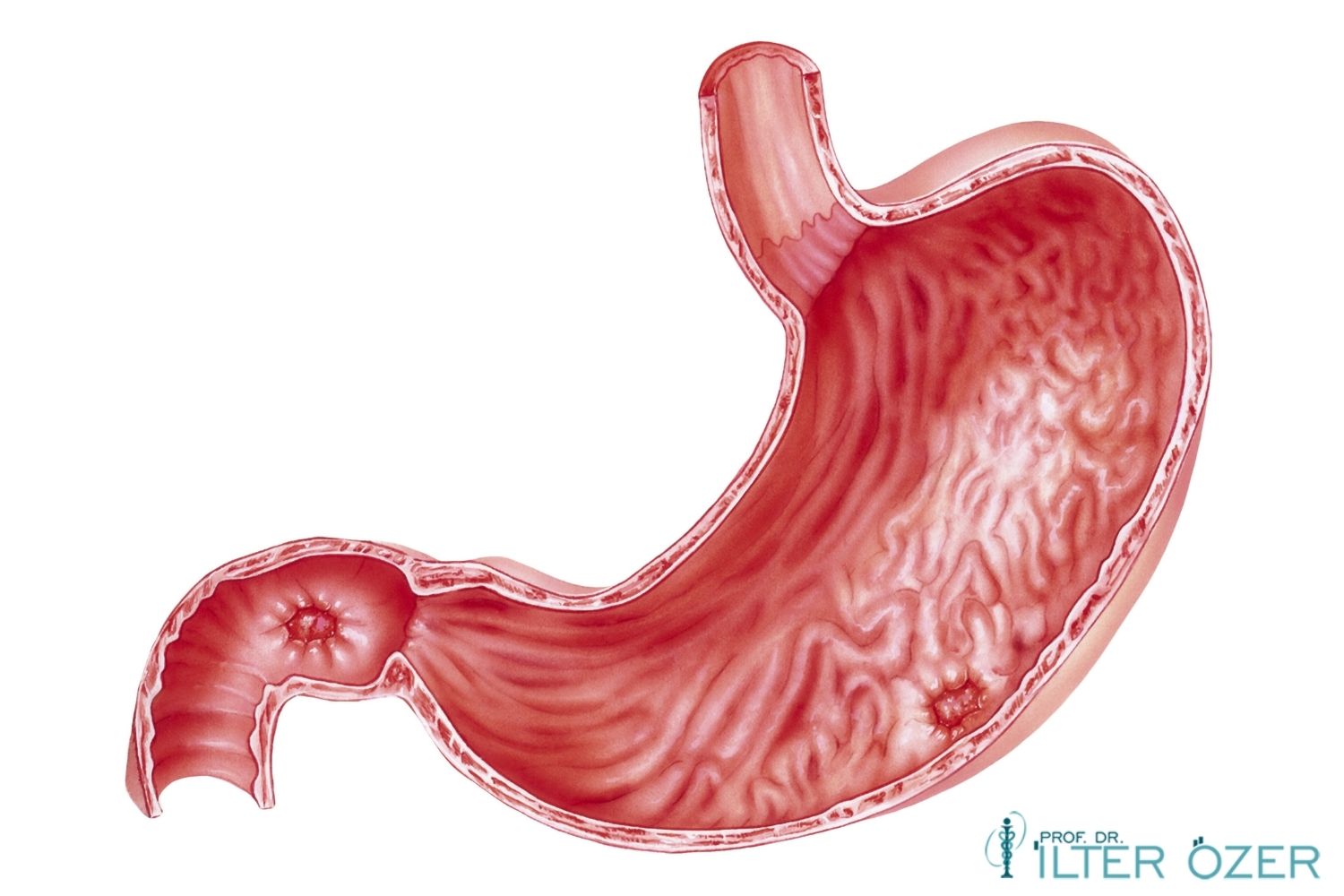
Stomach bleeding is a condition that can lead to serious health problems, and the question "Is stomach bleeding fatal?" is a significant issue that many people wonder about. Stomach bleeding often occurs as a result of conditions such as peptic ulcers, gastritis, or varicose veins, and the progression of these conditions carries a risk of death. The mortality rate for upper gastrointestinal bleeding varies depending on the patient's general health, the source of the bleeding, and the time it takes to receive treatment. In emergency stomach bleeding situations, prompt treatment is crucial. Risk factors for bleeding include excessive alcohol consumption, the use of certain medications, and a history of stomach problems. Understanding the severity of stomach bleeding and taking the necessary precautions is critical for your health. If you have stomach problems, be sure to seek professional help.
What is the Potential Fatality of Stomach Bleeding?
The question of whether stomach bleeding is fatal is a topic that many people wonder about, but is often poorly understood. Stomach bleeding is often a symptom of a serious problem with the digestive system and can occur for a variety of reasons. This bleeding can become life-threatening if not treated promptly. The risk of death from stomach bleeding varies depending on the cause, duration, and the patient's overall health. In upper gastrointestinal bleeding, in particular, the extent and duration of bleeding are critical. This can affect the oxygen supply to the patient's vital organs and ultimately lead to serious complications. For individuals experiencing stomach bleeding, prompt medical attention is crucial. Early intervention increases the success of treatment and improves the patient's chances of survival. Therefore, anyone experiencing symptoms of stomach bleeding should seek emergency medical attention. Risk factors for stomach bleeding include alcohol consumption, excessive stress, certain medications, and chronic diseases. Knowing these factors is important for individuals to protect their own health.
Factors Determining Life-Threatening Situations
In cases of stomach bleeding, life-threatening factors are often overlooked. However, being aware of these factors is crucial for early intervention and treatment. Especially in emergency cases of stomach bleeding, understanding the cause of bleeding can impact the treatment process. For example, serious illnesses such as peptic ulcers, varicose veins, or malignancies are among the primary causes of stomach bleeding. These conditions can increase the severity of bleeding and negatively impact the patient's overall health. Furthermore, the mortality risk from upper GI bleeding is higher in older individuals and those with chronic illnesses. Therefore, regular health checkups and medical advice play a critical role in preventing such conditions. Risk factors for bleeding also include smoking, excessive alcohol consumption, and the use of certain medications. Reducing these factors can significantly reduce the risk of stomach bleeding. Consequently, stomach bleeding is a dangerous condition, and its symptoms should be taken seriously.
Factors Determining Life-Threatening Conditions
The question of whether stomach bleeding is fatal is a critical one that many people wonder about. Stomach bleeding usually occurs as a result of rupture or damage to blood vessels in the upper digestive system, such as the stomach or intestines. This condition is considered a life-threatening emergency. The risk of death from stomach bleeding varies depending on the type and severity of bleeding and the patient's overall health. In particular, the risk of death from stomach bleeding is higher in elderly individuals or those with preexisting chronic diseases. These situations, which require urgent intervention, often require hospitalization and intensive care. Therefore, a person experiencing stomach bleeding can face a life-threatening situation if they do not receive prompt medical attention. Risk factors for bleeding include alcohol use, excessive use of aspirin or anti-inflammatory drugs, stomach ulcers, and liver disease. Early diagnosis and treatment can significantly impact the course of such conditions. A person with stomach bleeding can be managed with timely intervention, increasing the patient's chances of survival.
What is the Potential Fatality of Stomach Bleeding?
The potential fatality of stomach bleeding depends on many factors. First, the source and severity of the bleeding are directly related to the patient's overall health. For example, sudden and severe stomach bleeding can lower blood pressure, leading to shock. Furthermore, the rate of blood loss in individuals experiencing stomach bleeding depends on how quickly treatment is initiated. Early intervention can significantly increase a patient's survival rate. However, mortality rates from upper GI bleeding are also influenced by factors such as the patient's age, gender, and existing health problems. Risk factors are particularly high in older individuals and those with cardiovascular disease. Therefore, it is critical to seek immediate medical attention when symptoms of stomach bleeding appear. It is important to remember that stomach bleeding can have fatal consequences if left untreated, and therefore, the seriousness of such conditions should not be underestimated.
The Role of Early Intervention and Treatment in Saving Lives
The question of whether stomach bleeding is fatal is a concern for many people. Stomach bleeding is a condition that usually occurs as a result of damage to the inner lining of the stomach, resulting in bleeding. If this bleeding is not diagnosed and treated quickly enough, it can have serious consequences. The risk of death from stomach bleeding varies depending on the patient's general health, the severity of the bleeding, and the appropriate time for intervention. In emergency situations of stomach bleeding, prompt hospitalization and the necessary medical interventions are crucial. Early intervention increases the potential for saving a patient's life and minimizes complications. Risk factors for bleeding include stomach ulcers, excessive alcohol consumption, the use of certain medications, and chronic diseases. Being aware of these conditions can be an important step in protecting an individual's health.
Rapid Diagnosis and Treatment Methods
Rapid diagnosis plays a critical role in emergency stomach bleeding situations. Doctors attempt to determine the source of bleeding by reviewing the patient's medical history, performing a physical examination, and using blood tests and imaging methods. Invasive methods such as endoscopy can also be used during this process. Endoscopy allows direct observation of the source of bleeding within the stomach and treatment if necessary. If the source of bleeding is identified, various treatment methods can be applied to control the bleeding. These treatment options include medications to stop the bleeding, laser therapy, or surgery. Early intervention and the effectiveness of treatment accelerate the patient's recovery and increase the likelihood of survival. Therefore, the answer to the question of whether stomach bleeding is fatal depends largely on whether it is treated promptly.
Chronic Diseases and the Impact of Age
Stomach bleeding is a life-threatening health problem for many people. The question of whether stomach bleeding is fatal is frequently raised, especially in older individuals and those with chronic illnesses. Chronic illnesses can weaken individuals' bodily functions, exacerbating the consequences of emergency situations like stomach bleeding. For example, the risk of death from stomach bleeding increases in individuals with liver disease, kidney failure, or bleeding disorders. These illnesses can affect the body's blood clotting mechanisms, increasing the severity of bleeding. Age also plays a significant role. Because older individuals often have weaker immune systems, the body is less able to respond to such situations. Consequently, mortality rates from upper GI bleeding are often higher in individuals aged 65 and over. Increasing age can make it more difficult for wounds in the stomach lining or other parts of the digestive system to heal, increasing the risk of bleeding. Consequently, the coexistence of age and chronic illnesses can cause stomach bleeding emergencies to have more serious consequences.
The Impact of Chronic Illnesses on Stomach Bleeding
Chronic illnesses affect an individual's overall health, making the question of whether stomach bleeding is fatal even more critical. Conditions such as hypertension, diabetes, and liver disease, in particular, are among the factors that increase the risk of stomach bleeding. For example, in people with hypertension, high blood pressure can weaken the walls of the stomach and intestines, increasing the likelihood of stomach bleeding. In people with diabetes, blood vessel damage and nerve damage can negatively affect the functioning of the gastrointestinal tract. Furthermore, liver disease can lead to blood clotting problems, making them vulnerable to bleeding. Therefore, chronic diseases and age are significant risk factors for bleeding. Individuals with chronic diseases may have difficulty recognizing the symptoms of stomach bleeding, which can lead to delayed recognition of conditions requiring urgent intervention. Early diagnosis and treatment can mitigate the consequences of such conditions. In this context, healthy lifestyle choices and regular medical checkups are critical for individuals coping with such health problems.
Conditions Requiring Hospitalization and Intensive Care
The question of whether stomach bleeding is fatal is a frequently asked question in the healthcare field. Stomach bleeding is usually caused by peptic ulcers, gastritis, varicose veins, or other gastrointestinal problems and can have serious consequences if left untreated. The risk of death from stomach bleeding varies depending on the severity of the bleeding, its cause, and the patient's overall health. Massive bleeding, in particular, can cause sudden blood loss and become life-threatening. In emergency cases of stomach bleeding, the patient should be immediately hospitalized and receive the necessary interventions. In such cases, intensive care units may be required for stabilization. Risk factors for bleeding include high blood pressure, liver disease, excessive alcohol consumption, and the use of certain medications. Given these factors, the condition of people experiencing stomach bleeding can become critical, and if not treated promptly, the risk of death can increase. Patients presenting to the hospital should generally be evaluated by the emergency department, and the necessary tests should be performed. This can minimize mortality rates from upper GI bleeding and increase the chances of survival.
The Importance of Immediate Intervention and Treatment
Immediate intervention plays a critical role in answering the question of whether stomach bleeding is fatal. Rapidly identifying the source of bleeding and implementing appropriate treatment methods can be lifesaving. In cases of stomach bleeding, patients often require emergency treatments such as blood transfusions and endoscopic interventions. These treatment methods are effective in stopping the bleeding and stabilizing the patient. It is also important to consider the patient's general health, as the effects of stomach bleeding can be more severe in individuals with chronic diseases. Timely intervention increases patient survival and reduces the risk of complications. Therefore, it is vital to seek medical attention immediately when symptoms of stomach bleeding are noticed. Early intervention both improves the patient's quality of life and simplifies the treatment process. It is important to remember that every stomach bleeding should be considered an emergency, and the necessary precautions should be taken.
Prevention and Preventive Approaches
The question of whether stomach bleeding is fatal is a concern for many people. Stomach bleeding can occur for various reasons and can become a life-threatening condition. First and foremost, stomach bleeding is a life-threatening condition, and therefore, focusing on preventive and preventive approaches is extremely important. Adopting a healthy lifestyle, getting regular health checkups, and managing high-risk conditions are crucial for preventing stomach bleeding. Conditions such as stomach ulcers, gastritis, and varicose veins, in particular, increase the risk of stomach bleeding. Therefore, knowing the symptoms of these conditions and seeking prompt treatment can reduce the risk of emergency stomach bleeding. Furthermore, limiting alcohol consumption and avoiding excessive use of painkillers and anti-inflammatory medications are important steps to take to protect stomach health. A healthy diet and regular exercise can also positively impact stomach health. Factors such as stress management and adequate sleep should also be considered to reduce the risk factors for stomach bleeding.
Risk Factors for Stomach Bleeding
Stomach bleeding can be triggered by various risk factors. Some of these risk factors include genetic predisposition, lifestyle choices, and existing health conditions. The risk of death from stomach bleeding is particularly high in individuals with conditions such as stomach ulcers and gastritis. Furthermore, those who regularly consume excessive alcohol or use painkillers for extended periods also increase this risk. Stomach bleeding becomes more common with age, and mortality rates for upper GI bleeding are higher in older individuals. Therefore, it's important for older adults to have regular health checkups and take symptoms seriously. A healthy diet, regular exercise, and avoiding stress are important measures to reduce the risk of stomach bleeding. It's also crucial for individuals with underlying health conditions to review their treatment plans with their doctors and take the necessary precautions. Early intervention and treatment play a crucial role in preventing stomach bleeding and mitigating its consequences. Therefore, understanding and managing these risk factors is critical to maintaining good stomach health.
Contact Us to Get Detailed Information About the Subject