

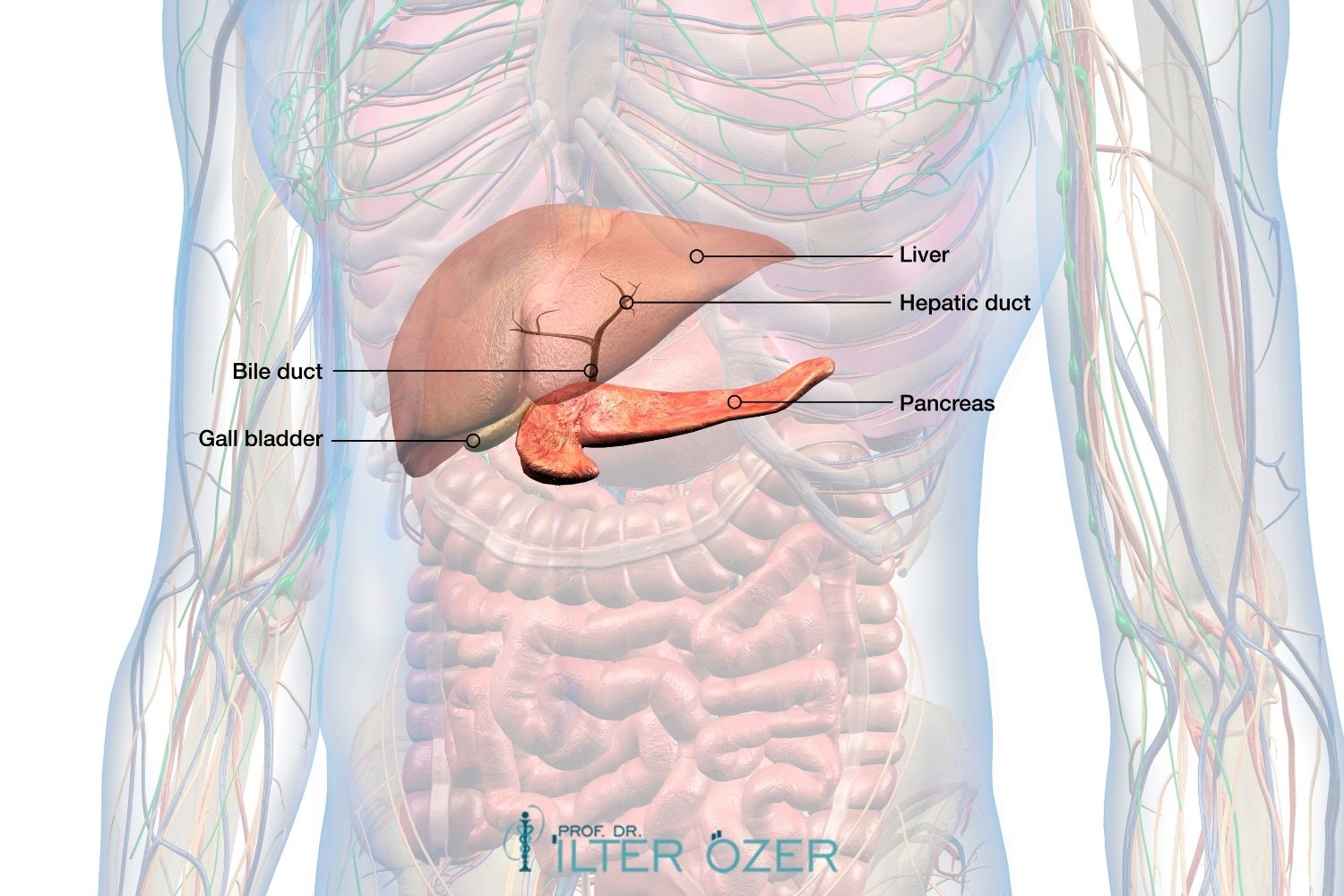
The pancreas is a vital organ in the body, playing a critical role in digestion and insulin production. The question of whether the pancreas should be removed is frequently raised due to pancreatitis, pancreatic cancer, or other serious conditions. Pancreatectomy, the partial or total removal of the pancreas, can be a life-saving treatment for some patients. Partial pancreas removal removes only a portion of the organ, while total pancreatectomy removes the entire organ.
This type of surgery can have side effects, particularly affecting insulin production and digestive processes. Pancreas removal can alter patients' quality of life, so it's important to have a thorough evaluation with a specialist. Don't forget to have regular checkups to protect your pancreas health!
When is the Pancreas Removed?
The pancreas is an important organ that plays a critical role in the body's digestive and metabolic processes. However, in some cases, pancreas removal may be necessary. This type of surgery is called a pancreatectomy. Reasons for pancreas removal are often related to conditions such as cancer, pancreatitis, and cystic fibrosis. Pancreatic cancer, in particular, raises the question of whether pancreas removal is necessary to improve the patient's quality of life and prolong lifespan, particularly if the disease progresses.
Pancreatitis is inflammation of the pancreas, and in severe, untreatable cases, partial or total pancreas removal may be necessary. Cystic fibrosis, on the other hand, is a genetic disease that affects the function of the pancreas, and in this case, surgery may be unavoidable. Generally, when a patient's pancreas needs to be removed, doctors carefully evaluate the patient's general health, the course of the disease, and the potential benefits of surgery.
Because pancreas removal is a decision that will impact not only the patient's physical health but also psychological and social aspects, informing the patient and their family is crucial.
Pancreas Removal Process and Evaluation
The pancreas removal process involves several stages. First, the patient's general health is thoroughly assessed. Necessary tests are performed, and information is provided about the effects of partial pancreas removal or total pancreatectomy. At this stage, the patient is informed about the potential risks and benefits of surgery. Before surgery, the patient's nutritional status, blood sugar levels, and other health parameters are reviewed.
Pancreas removal is a crucial step in diabetic management, as it can lead to a decrease in insulin production. After surgery, careful monitoring of patients' enzyme and insulin levels begins. This process plays a critical role in determining the patient's quality of life. The postoperative period can be challenging due to the restoration of their metabolism. Therefore, long-term monitoring and support are recommended.
Ultimately, the question of whether the pancreas should be removed should be answered based on the assessment of healthcare professionals and the patient's condition.
Differences Between Partial and Total Pancreatectomy
The pancreas plays a critical role in the body's digestive and metabolic processes. However, due to certain health issues, surgical removal of part or all of the pancreas may be necessary. These types of surgeries are called partial pancreas removal and total pancreatectomy. Partial pancreatectomy is the removal of only a portion of the pancreas and is usually performed to treat a tumor, cyst, or other condition.
In this type of procedure, a portion of the patient's pancreas may continue to function. On the other hand, in a total pancreatectomy, the pancreas is completely removed. This is generally preferred in more serious cases, such as pancreatic cancer. Postoperatively, patients may experience the effects of numerous metabolic problems, such as decreased insulin production and a lack of digestive enzymes. Both types of surgery carry significant risks, and patients should undergo a comprehensive evaluation and preparation process before surgery.
This can both increase the success rate of the surgery and enable more effective postoperative care and follow-up.
Effects of Surgery
Both types of surgery have significant impacts on patients' quality of life. The metabolic and diabetic consequences of the surgery directly affect patients' lifestyles, dietary habits, and insulin management. While patients usually continue to produce some insulin after partial pancreas removal, in individuals who undergo total pancreatectomy, the body completely stops producing insulin. This increases the risk of developing diabetes and necessitates insulin dependence.
Furthermore, certain changes occur in the digestive system; patients may have difficulty digesting food adequately due to a lack of digestive enzymes. Therefore, it is important to make dietary adjustments and use necessary supplements in the postoperative period. In the long term, individuals who undergo both partial and total pancreatectomy require regular follow-up and monitoring. This process requires ongoing communication and support from healthcare professionals so that patients can improve their quality of life and minimize potential complications.
Metabolic and Diabetic Consequences of Surgery
The pancreas is an important organ that plays a critical role in the body's metabolism. The question of whether to remove the pancreas often arises due to pancreatitis, pancreatic cancer, or other pancreatic diseases. Removing the pancreas, whether complete or partial, has significant effects on patients' metabolism and diabetes status. This surgical procedure, called pancreatectomy, can affect pancreatic function, reducing insulin production.
While partial pancreas removal is often preferred to improve some patients' condition, total pancreatectomy may involve removing the entire pancreas. Following these types of surgical interventions, patients often transition to insulin dependence, which can impact their quality of life. Regular postoperative monitoring and insulin management are necessary to prevent diabetic complications. This process can affect both the physical and psychological well-being of patients. Therefore, patients should strictly follow the recommendations of their specialist physicians during this process.
Furthermore, the effects of total pancreatectomy can include digestive issues and vitamin deficiencies. Therefore, it is important for individuals undergoing this type of surgery to review their diet and take necessary supplements. Experts recommend an individualized approach to improving patients' quality of life after such surgery.
Post-Operative Monitoring and Management
Post-operative monitoring is extremely important for patients considering pancreas removal. After pancreatectomy, patients should attend regular checkups to regulate their metabolism and control their insulin levels. This process helps patients maintain a healthy lifestyle and allows for the early detection of potential complications. In the long term, individuals who undergo partial or total pancreatectomy have an increased risk of developing diabetes. Therefore, these individuals should regularly monitor their blood sugar levels and initiate insulin therapy when necessary.
Appropriate diet plans should also be developed to address digestive issues, and necessary nutritional supplements should be provided. It is also important for patients to receive psychological support, as the changing lifestyle after pancreatic surgery can create emotional challenges. Finally, it is recommended that an individualized care plan be developed in collaboration with healthcare professionals to improve patients' quality of life. Increasing physical activity levels and adopting healthy eating habits is also crucial during this process.
Preoperative Preparation and Assessment
Pancreas removal is a surgical procedure often associated with serious health issues. Patients should undergo a comprehensive evaluation before this procedure. First, the doctor reviews the patient's medical history and performs the necessary tests. These tests may include blood tests, imaging studies (ultrasound, CT, MRI), and, if necessary, a biopsy. These tests are critical for determining the condition of the pancreas and determining the necessity of surgery.
Additionally, the patient's general health, the functionality of other organs, and any existing medical conditions should be taken into consideration. Reasons for pancreas removal include tumors, pancreatitis, and other pancreatic diseases. If the patient has cancer, the type of surgery should also be determined. Pancreatectomy can be partial or total. It is important to inform patients about the potential risks and complications before surgery. During this process, it is also recommended that patients receive psychological support.
During the preoperative preparation period, patients' diet, medication use, and lifestyle should also be reviewed. These factors can directly impact the success of the surgery. Appropriate preoperative preparation and assessment play a critical role in determining whether the pancreas should be removed.
Things to Consider During Pancreas Removal
Pancreas removal is a significant surgical procedure, and there are many factors to consider. First and foremost, it is important for patients to be informed about the surgical team and their experience level. Furthermore, informing patients about the postoperative course will reduce their anxiety. In the case of partial pancreas removal, the functionality of the remaining pancreatic tissue can have a significant impact on the patient's metabolism.
In the case of total pancreatectomy, patients will be at risk of diabetes due to the complete cessation of insulin production. Therefore, postoperative insulin management and enzyme supplements should be planned in advance. It is important for patients to maintain regular contact with their doctors before surgery and report any concerns. Additionally, establishing a healthy nutrition plan and increasing physical activity during this period can positively impact the post-operative recovery process.
Consequently, the answer to the question of whether the pancreas should be removed depends on many factors and requires careful preparation and evaluation.
Post-Surgery Enzyme and Insulin Management
The post-operative period is a crucial step in determining whether the pancreas should be removed. Pancreatectomy, the removal of the pancreas, is often performed in cases such as pancreatic cancer or severe pancreatitis. After this procedure, patients may encounter various challenges regarding the management of the enzymes and insulin produced by the pancreas. The pancreas produces enzymes that play a crucial role in digestion and meets the body's insulin needs.
After surgery, patients begin to experience a deficiency of these components, which can negatively impact metabolism, nutrition, and overall health.
It is important for patients, especially those experiencing the effects of total pancreatectomy, to have their digestive enzyme and insulin levels checked regularly after surgery. A deficiency in digestive enzymes can lead to inadequate food digestion, leading to weight loss. Therefore, patients often require enzyme supplements. Additionally, insulin levels should be carefully monitored, as the risk of diabetes increases when the pancreas loses its ability to produce insulin.
During this period, patients should develop an appropriate insulin treatment plan with their doctors. Various methods, including diet, exercise, and medication when necessary, can be used for diabetes management. As part of the post-operative follow-up, patients should have their blood sugar levels checked regularly and be educated on this matter.
Long-Term Follow-Up and Quality of Life
Long-term follow-up is directly related to whether the pancreas will be removed. After removal of all or part of the pancreas, patients should receive regular medical check-ups to improve their quality of life. These check-ups are critical for both maintaining metabolic balance and preventing potential complications. The quality of life of patients after pancreatectomy is often directly related to diet and lifestyle changes. To avoid digestive problems, patients should consume low-fiber, easily digestible foods.
It is also important to maintain adequate calorie intake and seek dietary support when necessary. Long-term follow-up can also affect patients' mental health. Pancreatic cancer or other causes can have a psychological impact on patients. Therefore, seeking psychological support and participating in group therapy can improve patients' emotional well-being. Generally, the measures taken after partial pancreas removal or total pancreatectomy allow patients to live healthier lives.
Long-Term Follow-Up and Quality of Life
Pancreatectomy is often performed for pancreatic cancer, severe pancreatitis, or other pancreatic diseases. Removing all or part of the pancreas is a significant surgical procedure that directly impacts an individual's quality of life. The question of whether pancreas removal should be performed is frequently asked of patients considering this type of surgery. Post-operatively, patients should be carefully monitored for changes in their digestive system, insulin production, and general health.
Some patients may experience the aftereffects of total pancreatectomy, which halts insulin production and requires lifelong insulin therapy for diabetes management. Furthermore, due to a lack of digestive enzymes, patients may need to follow special diets and take supplements. Long-term follow-up is crucial for improving the quality of life and minimizing complications in such patients.
Pancreas Surgery Follow-up
The post-pancreas surgery follow-up is a critical phase in assessing patients' health and preventing potential complications. The first few weeks after surgery are a time when patients' general health is prioritized. During this period, patients' blood sugar levels should be regularly monitored, and insulin therapy should be adjusted as necessary. Furthermore, for patients who may experience digestive issues, working with a dietitian can help develop appropriate nutrition plans.
Patients who undergo partial pancreas removal undergo similar follow-up procedures, but because a portion of the pancreas remains functional, insulin production may continue to be limited. Psychological support and rehabilitation services also play an important role in improving patients' quality of life during long-term follow-up. Therefore, patients considering pancreas removal should ensure they are enrolled in a monitoring program that provides both physical and psychological support.