

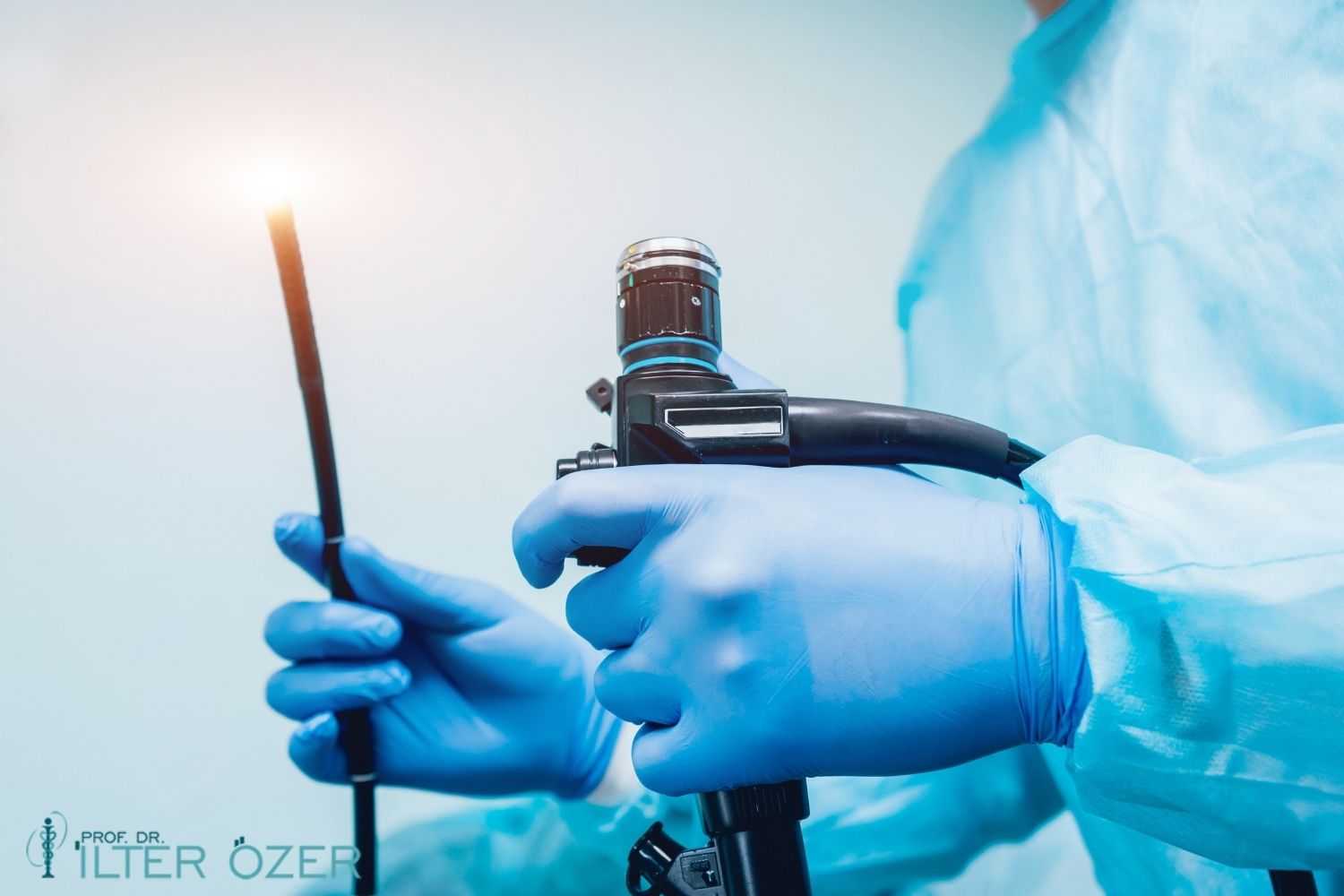
Endoscopy is a medical procedure used to examine the internal structure of the body. This procedure, often used to evaluate the upper gastrointestinal tract like gastroscopy, is performed through a thin tube and provides detailed information about the patient's digestive system. Endoscopic procedures play an important role in the diagnosis and treatment of various health problems. Preparation for an endoscopy should be carefully planned to protect the patient's health and maximize the success of the procedure.
If you'd like to learn more about what endoscopy is and how it is performed, consult your doctor for more information.
What is Endoscopy and What Purposes Is It Performed?
What is endoscopy? It is a medical procedure used to examine the internal structure of the body. This procedure is usually performed through a thin, flexible tube called an endoscope. The endoscope, equipped with a camera and light source, allows the doctor to clearly view the internal parts of the body. Endoscopic procedures can be performed for many different purposes, but the most common are diagnostic and therapeutic.
This method, frequently used in areas such as the digestive system, respiratory tract, and urogenital system, is crucial for early diagnosis of diseases. For example, gastroscopy allows examination of the stomach and upper digestive system, while colonoscopy allows evaluation of the large intestine and rectum. These procedures are generally planned based on the patient's symptoms and complaints. Furthermore, upper GI endoscopy allows for detailed examination of upper digestive system organs such as the esophagus, stomach, and duodenum.
All these examinations play a critical role in better understanding patients' health and enabling the implementation of necessary treatment methods. Based on the findings obtained after the endoscopic procedure, doctors can provide comprehensive information about the patient's health. This allows the most appropriate treatment methods to be determined and, if necessary, referrals for further testing can be made.
Endoscopy Procedure and Preparation
The preparation process for the endoscopy is crucial before the procedure. This stage plays a critical role in the safety and accuracy of the procedure. Patients must follow specific instructions before the endoscopy. It is generally recommended that they refrain from eating for at least 6-8 hours before the procedure. This helps the endoscope obtain a clearer image and also clears the stomach contents. In some cases, patients may be administered sedation or light anesthesia before the procedure.
This is done to make them more comfortable during the procedure. Furthermore, patients should provide detailed information to their doctors about their current health, medications, and allergies. All of these preparations contribute to a more healthy and effective endoscopy. After the procedure, patients are usually observed for a period of time and then discharged once their condition stabilizes.
Consequently, the answer to the question of what endoscopy is stands out not only as a diagnostic tool but also as a method that contributes to the treatment process.
Differences Between Gastroscopy and Colonoscopy
To understand the answer to the question of what endoscopy is, it is important to first understand what endoscopic procedures are and the types of them available. Gastroscopy and colonoscopy are the most common endoscopic procedures. Both are used to visualize internal organs and diagnose certain diseases, but they differ significantly in their application areas and methods. Gastroscopy is an endoscopic procedure performed to examine the esophagus, stomach, and duodenum.
During this procedure, an endoscope is inserted through the mouth to visualize the internal structures of these organs and potential diseases. It is often used to diagnose conditions such as stomach ulcers, reflux, and bleeding. Colonoscopy, on the other hand, is a method that allows examination of the large intestine and rectum. This procedure involves a detailed examination of the interior of the large intestine with an endoscope inserted through the anus.
Colonoscopy is generally preferred for colorectal cancer screening, polyp detection, and the evaluation of inflammatory bowel diseases. Therefore, the main difference between upper GI endoscopy and colonoscopy is the different organs examined. Both procedures require specific preparation and should be performed according to the doctor's recommendations.
Endoscopic Procedure Preparation Process
The preparation process for both endoscopic procedures is very important. During the endoscopy preparation phase, patients must adhere to certain guidelines. Before gastroscopy, patients are generally required to refrain from eating and limiting liquid intake for at least 6-8 hours before the procedure. This helps the endoscope obtain clearer images. For colonoscopy, patients are generally advised to follow a specific diet and use laxatives to cleanse their bowels for a few days beforehand.
Anesthesia options are also important for patient comfort during the procedure. Light sedation or general anesthesia can be administered during an endoscopic procedure. This is essential to ensure the patient's comfort during the procedure. Both procedures are usually performed in an outpatient setting, and patients can be discharged the same day. However, a period of rest is recommended after the procedure. Therefore, it is also important for patients to be accompanied.
Ultimately, the answer to the question of what endoscopy is, along with thorough preparation and proper application, is crucial for their health.
Pre-Procedure Preparation and Anesthesia Options
The question of what endoscopy is is a topic of interest to many and holds an important place in the healthcare field. Endoscopic procedures are methods used to visualize internal organs and perform interventions if necessary. Patients must make certain preparations beforehand. The preparation process for endoscopy can vary depending on the patient's general health and the type of procedure.
Generally, depending on the area of the body where the endoscopy will be performed, the patient may need to fast for a certain period of time. It is recommended that patients fast for at least 6-8 hours before procedures such as gastroscopy, which examine the upper digestive system. This is crucial for clearing the stomach contents and improving imaging quality. Furthermore, anesthesia is a frequently used method during endoscopic procedures. Anesthesia options include general anesthesia, sedation, or local anesthesia.
The type of anesthesia used depends on factors such as the patient's age, health status, and the difficulty of the procedure. Before the procedure, the doctor determines the most appropriate anesthesia method, taking into account the patient's preferences and medical history. It is recommended that patients discuss their concerns thoroughly with their doctor and ask any questions they may have during this process. It is important to remember that preparation plays a critical role in the success of the procedure.
Things to Consider During the Endoscopy Procedure
During the endoscopic procedure, certain precautions are taken to ensure patients feel comfortable and safe. Patients are usually sedated during the procedure, ensuring they do not experience any discomfort during the procedure. However, some patients may be at risk for allergies or side effects from anesthesia. Therefore, a detailed medical history should be reviewed before undergoing an endoscopy.
During the procedure, a thin, flexible tube called an endoscope is used to visualize the internal structures of organs such as the small intestine, stomach, and large intestine. During the procedure, the doctor may perform biopsies or remove abnormal tissues such as polyps if deemed necessary. Procedures such as upper GI endoscopy and gastroscopy are generally short, and patients can return to their normal activities within a few hours. However, in some cases, patients may require a longer hospital stay.
One important point to remember after the procedure is that patients should not drive until the anesthesia wears off. Furthermore, mild discomfort, such as nausea or a slight sore throat, is considered normal after the procedure. However, if such symptoms persist, it is important for patients to consult their doctor.
Generally, the answer to the question of what endoscopy is is a matter of great health importance, and it is crucial for patients to be informed about this and to discuss the entire process with their doctor.
Common Endoscopy Procedures
The question of what endoscopy is plays a significant role in many people's health checkups and diagnostic processes. Endoscopic procedures are minimally invasive procedures used to diagnose and treat various health problems. These procedures are typically performed through a tube-shaped endoscope equipped with a thin camera. Specific procedures such as gastroscopy and upper GI endoscopy are commonly used to examine the upper part of the digestive system.
Through endoscopic procedures, doctors can directly observe organs such as the stomach, esophagus, and duodenum and take biopsies if necessary. Various interventions, such as polyp removal or bleeding control, can also be performed during these procedures. Preparation for endoscopy is crucial for the patient's health. Before the procedure, patients may be required to adhere to a specific diet and discontinue certain medications. These preparations are essential for the safe and effective procedure.
Endoscopy is usually performed as an outpatient procedure, and patients can return to their daily lives quickly afterward. However, as with any procedure, endoscopy carries some risks. These risks can include complications such as infection, bleeding, and organ perforation. Therefore, when searching for an answer to the question "What is endoscopy?", it is important to consider the potential benefits and risks of this procedure.
Advantages and Disadvantages of Endoscopic Procedures
By answering the question "What is endoscopy?", it is possible to learn more about the advantages and disadvantages of these procedures. Endoscopic procedures offer significant advantages in many diagnostic and therapeutic procedures. First and foremost, these methods are minimally invasive and shorten patient recovery times. Compared to open surgical procedures, endoscopic procedures generally cause less pain, and patients have shorter hospital stays. Furthermore, the visual information provided by endoscopy allows doctors to make more accurate diagnoses.
In addition to all these advantages, procedures such as gastroscopy and upper GI endoscopy offer the opportunity for early diagnosis of many diseases. However, as with any medical procedure, endoscopic procedures also have some disadvantages. In particular, the preparation process for endoscopy can be challenging for some patients. There is also a risk of complications during the procedure. Serious side effects such as infection, bleeding, and organ perforation can occur, although rare.
Therefore, it is important for patients to discuss endoscopy in detail with their doctors before the procedure and assess whether it is appropriate for them. Consequently, the answer to the question of what endoscopy is becomes more meaningful when considered alongside its advantages and disadvantages.
Procedure Risks and Possible Complications
The question of what endoscopy is is often a matter of curiosity for many people. However, although this procedure is common and safe, it carries some risks and potential complications. During an endoscopic procedure, internal organs are usually visualized through a thin tube. During this process, some patients may encounter bleeding, infection, or organ perforation. Gastroscopy and upper GI endoscopy, in particular, are performed to examine areas such as the esophagus, stomach, and duodenum.
It is important to monitor patients for a period of time after the procedure to detect potential complications early. Furthermore, the endoscopy preparation process should be carefully monitored to minimize these risks. A detailed consultation with patients' doctors before the procedure will help them understand the potential risks and complications. It is critical for patients to share their concerns about the procedure and follow their doctor's recommendations. This will ensure a safer experience during and after endoscopic procedures.
Risks of Endoscopic Procedures
While endoscopic procedures are generally considered safe, as with any medical intervention, they carry some risks. Returning to the question of what endoscopy is, this procedure involves examining the internal structure of organs through a thin tube. However, inserting this tube carries a risk of organ damage, especially in narrow and sensitive areas. Bleeding can also occur during the procedure; this is more common in individuals who have had previous surgery or have bleeding disorders.
There is also a constant risk of infection. Patients may experience throat pain or discomfort after gastroscopy. Side effects such as nausea and vomiting may occur after upper GI endoscopy. All these potential complications should be explained to the patient in detail before the procedure, and their consent should be obtained. Proper preparation for endoscopy is crucial to minimize these risks. Following the procedure and following doctor's recommendations is crucial for patient health.
In light of all this information, it's possible to develop a more informed approach to endoscopic procedures.
Interpreting Results and Follow-Up Recommendations
The question of what endoscopy is is a topic of interest to many people and holds an important place in healthcare. This procedure is performed to visualize internal organs and provide treatment if necessary. Interpreting the results is critical to the success of the endoscopic procedure. After the procedure, the doctor will provide information about the patient's condition and offer follow-up recommendations based on the findings.
For example, gastroscopy evaluates the condition of the upper gastrointestinal tract, while colonoscopy checks bowel health. In both cases, the results are interpreted in light of the patient's general health and symptoms. The data obtained can be decisive in determining treatment plans and follow-up procedures. Therefore, it is important for patients to maintain regular communication with their physicians after the procedure. Furthermore, some patients may require a period of follow-up after endoscopic procedures.
During this follow-up, any new symptoms or changes experienced by patients should be carefully evaluated by the doctor. Consequently, monitoring patients' conditions after an endoscopic procedure is crucial for maintaining their health.
Points to Consider During the Follow-up Period
Patients should be careful during a specific period following an endoscopy. As we answer the question "What is endoscopy?", the follow-up period required for this procedure also becomes important. Patients should observe how they feel after the procedure and follow the doctor's recommendations. Important considerations, particularly during the endoscopy preparation phase, also affect the post-procedure follow-up process. Patients should immediately consult a healthcare provider if they experience nausea, abdominal pain, or any other discomfort after the procedure.
Furthermore, it is important for the health of their digestive system to pay attention to their diet after the procedure. Adhering to the doctor's recommended diet can accelerate the recovery process. During the follow-up period, patients' regular check-ups and timely appointments with their doctor are critical for monitoring their health.
In conclusion, it is extremely important for patients to take care of themselves after procedures such as gastroscopy or colonoscopy, stay in touch with their doctors, and comply with the necessary follow-up procedures to maintain a healthy life.